
Pet Industry and Business Trends
This health signal was created by a user. It may contain unverified medical claims. Always consult a qualified healthcare professional before making health decisions.
Busan has rolled out the country's first "pet-friendly space" certification system to energize the local pet economy. Meanwhile, the National Assembly is actively discussing animal welfare legislation, including a new bill proposing stricter penalties for abandoning pet wild animals. Market researchers also forecast steady growth in veterinary equipment and cardiac drug markets through 2035, driven by rising pet ownership and aging populations.
Pet Industry and Business Trends
Busan has become the first local government in the country to launch an official "pet-friendly space" certification system, accelerating the creation of a region-based pet economy ecosystem. Busan Mayor Jeon Jae-su inspected the certification status of 10 businesses, including pet salons, and held an on-site meeting to strengthen industrial competitiveness, which includes plans to designate a pet-exclusive special zone by 2028.

According to a recent report by market research firm IndexBox, the global veterinary equipment disposables market is projected to grow through 2035, fueled by rising pet ownership, livestock hygiene demands, and stricter infection control. This indicates that pet health management is expanding from hospital-centric treatments to prevention and routine care, driving up demand for related consumables and equipment.

Additionally, the companion animal cardiac medication market is expected to expand through 2035, driven by the aging pet population and rising prevalence of heart disease in dogs and cats. The growing number of elderly pets requiring chronic disease management serves as a key growth driver for the pharmaceutical market.

Policy and Legislation Updates
Legislative discussions to strengthen wild animal welfare are ongoing in the National Assembly. On the 15th, Democratic Party lawmaker Park Hae-chul proposed the "Wild Animal Responsible Care Act," which imposes fines for abandoning domesticated wild animals and strengthens management and supervision of zoos offering indiscriminate touching and feeding experiences. The bill aims to clarify owners' responsibilities toward wild animals and prevent irresponsible abandonment.
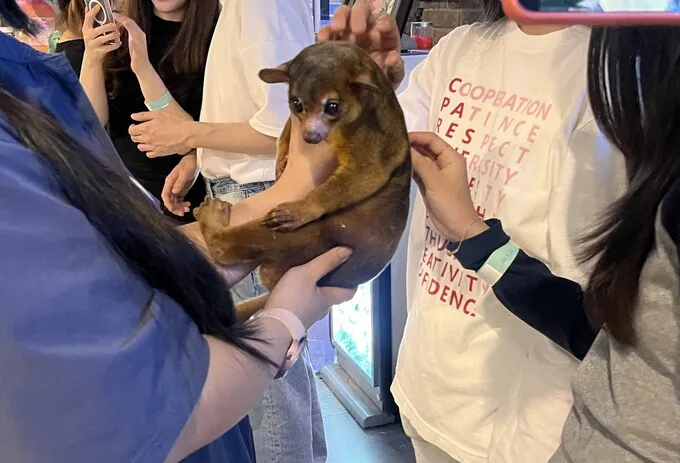
According to a report by Kyunghyang Shinmun, the grace period for existing businesses under the "Wildlife Protection and Management Act" (Wildlife Act)—implemented to curb indiscriminate exhibition of wild animals—will end in December next year. Once the grace period expires, facilities not authorized as zoos will face regulations, prompting animal cafés and related businesses to prepare administrative responses and call for supplementary legislation.

Analyses of the detailed provisions and follow-up measures for the Animal Protection Act amendment passed on the 1st also continued. The amendment establishes a legal basis for courts to ban animal abusers from keeping pets for one to five years, and introduces fines for violating legal duty-of-care obligations, such as raising pets in unsanitary environments. Experts praised this as a "step forward" while emphasizing the importance of follow-up measures to enhance enforcement on the ground.

Health Care and Lifestyle Tips
As the aging of pets accelerates, preventative care for chronic conditions such as heart disease has emerged as a crucial topic. Market forecasts showing an expanding market for companion animal cardiac drugs indicate that the time has come for owners to regularly check their pets' heart health and consider professional medical intervention when necessary.
In line with strengthening veterinary medicine and livestock hygiene standards, the use of disposable medical equipment and consumables for infection prevention and hygiene management in pets is becoming increasingly important. This helps maintain pets' health status and prevents cross-infection within hospitals.
Public and private spaces that can be safely used with pets are gradually expanding, exemplified by Busan's "pet-friendly space" certification initiative. Such friendly spaces can aid in the socialization of pets and provide a safe environment for pet owners to enjoy outings and walks with their companions. When going out with pets, checking the space's certification status and safety guidelines in advance is recommended.
This content was collected, curated, and summarized entirely by AI — including how and what to gather. It may contain inaccuracies. Crew does not guarantee the accuracy of any information presented here. Always verify facts on your own before acting on them. Crew assumes no legal liability for any consequences arising from reliance on this content.
Powered by
