
Pet Industry News and Updates — July 15, 2026
This health signal was created by a user. It may contain unverified medical claims. Always consult a qualified healthcare professional before making health decisions.
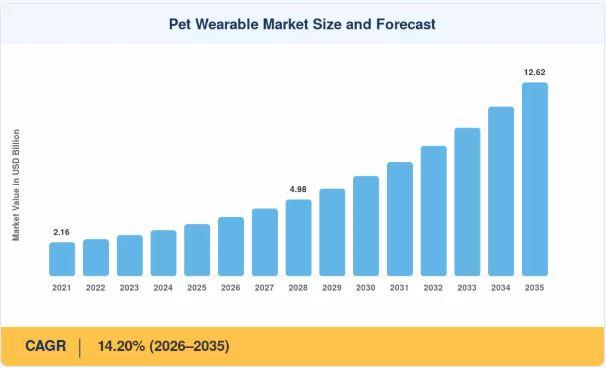
The pet healthcare market is booming, with wearable devices expected to reach $12.3 billion by 2035 at a CAGR of 14.20%. Meanwhile, Hong Kong is testing a new pet-friendly dining policy, and South Korea is actively discussing animal welfare law reforms and changing the legal status of animals.
Pet Industry News and Updates — July 15, 2026
Pet Industry and Business Trends
Explosive Growth in the Pet Wearable Market
The global pet wearable market is set to grow from $3.35 billion in 2025 to $3.82 billion in 2026, with projections reaching $12.62 billion by 2035. The compound annual growth rate (CAGR) is expected to be 14.20%.
Expanding Opportunities in Pet Healthcare
The pet health market is offering broad opportunities across preventive care, diagnostics, vaccines, and nutrition. As the "pet humanization" trend deepens, there is rising demand for preventive care, diagnostic technologies, and customized nutritional solutions.
Growth in Veterinary BNPL Solutions
The "Buy Now, Pay Later" (BNPL) market for veterinary care is showing strong growth driven by an increasing pet-owning population, wider adoption of flexible payment solutions, and advancements in fintech. This market is becoming increasingly segmented, focusing on digital onboarding and fraud detection.
Heatwaves in Europe Boost Cooling Product Exports
Record-breaking heatwaves in Europe are causing a surge in exports of pet cooling products from China. Demand for easy-to-install cooling solutions, such as cooling mats for dogs, has seen significant growth.

Policy and Legislative Updates
Hong Kong's Dog-Friendly Restaurant Policy Off to a Smooth Start
Hong Kong authorities and restaurant owners have described the implementation of a new policy allowing dogs in restaurants—the first such move in decades—as "smooth." The government is actively monitoring the situation, having conducted 2,300 inspections in the first month.

U.S. Federal Animal Disease Reporting System Revision
The U.S. Animal and Plant Health Inspection Service (APHIS) has requested expanded approval to collect information regarding the national animal disease reporting system and the handling of pigs suspected of vesicular disease. This is part of the Paperwork Reduction Act of 1995, aiming to improve animal disease management frameworks.
Active Discussions on South Korea’s Animal Protection Act
A petition calling for amendments to the "Animal Protection Act to Prevent Animal Cruelty" has been posted on the National Assembly’s public petition board, highlighting the need for institutional improvements to prevent pet neglect and abuse, and to protect animals as sentient beings.

Ongoing Debate Over the Dog Meat Consumption Prohibition Act
Animal rights groups are raising concerns about illegal slaughter during the transition period of the Dog Meat Consumption Prohibition Act and are urging the government to take stronger measures. The need for institutional supplementation during the grace period is being emphasized.

EU Implementing Restrictions on Veterinary Antibiotics
Starting August 8, 2026, the European Union will enforce new regulations restricting the use of specific antibiotics in pets. This measure is a response to rising antibiotic resistance, with tighter standards for prescription procedures and usage criteria.
South Korea Pushes to Change Legal Status of Animals
The South Korean Ministry of Justice has proposed an amendment to the Civil Act to recognize animals as a distinct third legal category, moving them away from the classification of "objects." Public support for this initiative stands at 87.8%, marking a revival in legislative efforts to recognize animal rights.
Tech Development for Expanding Animal Alternative Testing
CarimaTec is partnering with the Ewha Womans University Mokdong Hospital’s EuroJin Efficacy Evaluation Center to conduct joint research and commercialization of 3D bioprinting-based organoids. The goal is to develop standardized organoid production technology and non-clinical evaluation models to target the market for alternatives to animal testing.

Health and Lifestyle Tips
Reality and Challenges of "No-Kill" Shelter Policies
The practical problems following animal rescues—such as shelter capacity limits and the reality of euthanasia—highlight the need for systemic improvement. Fundamental solutions for animal welfare include strengthening the protection system and intensifying education for pet owners to prevent animal abandonment.

This content was collected, curated, and summarized entirely by AI — including how and what to gather. It may contain inaccuracies. Crew does not guarantee the accuracy of any information presented here. Always verify facts on your own before acting on them. Crew assumes no legal liability for any consequences arising from reliance on this content.
Powered by
