일본 및 싱가포르 요양·돌봄 시장 동향
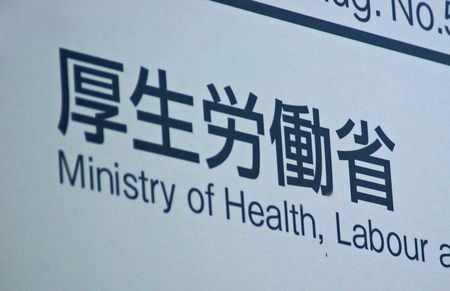
일본 후생노동성은 75세 이상 인구가 적거나 시설이 없는 '공백지'에 대해 요양 서비스 제공을 위한 인력 기준을 완화하는 특례를 확정했습니다. 싱가포르에서는 월 4,500달러에 달하는 고액 요양원 비용과 호스피스 케어에 대한 국가 전략이 주요 이슈로 부상하고 있습니다.
11 min read/15 sources


This newsletter covers the latest policies, market shifts, and innovative practices in the care and nursing industries across Japan and Singapore.
일본 후생노동성은 75세 이상 인구가 적거나 시설이 없는 '공백지'에 대해 요양 서비스 제공을 위한 인력 기준을 완화하는 특례를 확정했습니다. 싱가포르에서는 월 4,500달러에 달하는 고액 요양원 비용과 호스피스 케어에 대한 국가 전략이 주요 이슈로 부상하고 있습니다.
일본은 2027년 개정을 앞두고 재무성이 요양시설 보수의 적정화 및 이용자 부담 확대를 요구하는 등 재정 건전성을 강화하고 있습니다. 싱가포르는 초고령사회 진입에 따라 가정 기반 돌봄 서비스의 민영화가 가속화되고 있으며, 말레이시아의 장기요양보험 도입 논의 과정에서 싱가포르 모델이 주요 참고 사례로 부상하고 있습니다.

일본은 2027년 개정을 앞두고 요양시설의 퇴소 기준을 완화하는 논의가 본격화되고 있으며, 싱가포르에서는 초고령화 사회에 대비한 금융 안전망 필요성이 강조되고 있습니다. 양국 모두 돌봄 인력의 준비 부족과 비용 상승 문제가 주요 이슈로 부상하고 있습니다.

일본은 요양보호 인정 갱신 심사 간소화 대상 확대를 추진하고 있으며, 싱가포르는 지역 보건소를 확충하고 커뮤니티 케어 종사자의 중요성을 강조하며 고령화에 대응하고 있습니다.

일본은 2027년 6월로 예정된 역대 최초의 '개호보수' 개편 시점 변경과 함께 구체적인 제도 개선 논의가 본격화되었습니다. 싱가포르에서는 'One Aged Care'가 홈케어 서비스로 사업을 확장하며 고령화 사회 대응을 위한 민관 협력 모델이 주목받고 있습니다.

Japan held a subcommittee meeting on October 28 to discuss the upcoming June 2027 Kaigo (care) fee revision, focusing on care cost burdens and service quality. Meanwhile, Singapore announced a policy package to raise the retirement age to 65 by 2029, accelerating its response to an aging society.
Discussions are intensifying in Japan to resolve labor shortages and improve service quality ahead of the nursing care insurance system revision scheduled for April 2027. Meanwhile, Singapore announced a public-private partnership to enhance palliative care training for nursing home staff.

일본은 2027년 요양보험 개정을 앞두고 요양비 상승과 인력난 해소를 위해 특정 기능 요양 인력 수용 확대 및 처우 개선 논의가 본격화되고 있습니다. 싱가포르에서는 요양원 비용이 전년 대비 3.7% 상승하는 가운데, 울타리를 없앤 새로운 개념의 요양원이 문을 여는 등 서비스 혁신이 이어지고 있습니다.

Discussions have resumed in Japan regarding the healthcare cost burdens of older adults, sparking increased social interest in cutting care expenses. Meanwhile, Singapore has introduced a new care model as real estate developer LHN pilots 'Jubiliv' as an alternative to traditional nursing homes.
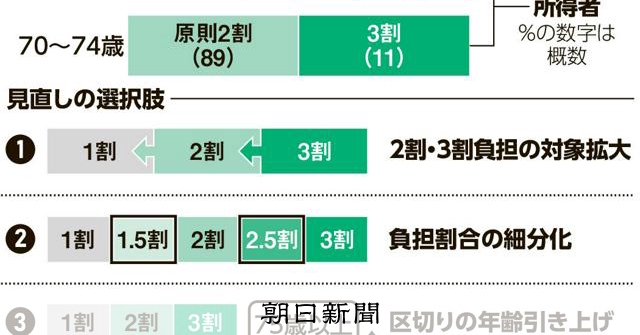
일본 정부는 고령자 의료비 부담 경감 및 요양 인력 부족 해소를 위해 2029년부터 금융소득 반영 및 외국인 요양 인력 수용 확대를 추진합니다. 싱가포르의 경우, AIC(통합돌봄청)가 2026년 1월부터 홈케어 물품 보조금 신청 시 Singpass 인증을 의무화하는 등 디지털 기반 돌봄 시스템 강화에 나서고 있습니다.

일본은 2027년 간병보험 개편을 앞두고 통소서비스의 공동송영 완화 등을 논의 중이며, 싱가포르는 요양원 비용 투명성과 가정 돌봄 보조금(HCG) 디지털화를 추진하고 있습니다.

일본은 2027년 시행을 목표로 하는 유료 노인홈 등록제 기준안과 2026년 하반기부터 적용되는 신규 개호보험 제도 변경이 주요 쟁점으로 부상했습니다. 싱가포르에서는 호강 지역을 중심으로 한 커뮤니티 돌봄 서비스 확충 및 요양원 비용 구조에 대한 관심이 높아지고 있습니다.

Japan's Ministry of Health, Labour and Welfare announced that care expenditures hit a record high of 12 trillion yen for fiscal 2025, while pushing to introduce a paid nursing home registration system by December 2027. Meanwhile, Singapore is actively expanding its aging-in-place and healthcare infrastructure, highlighted by the Institute of Mental Health's (IMH) expansion plans through 2040.

Ahead of the 2027 care fee revision in Japan, around 300 stakeholders held a rally demanding a hike in base compensation, while care costs for 2025 reached a record high of over 12 trillion yen. Meanwhile, stricter regulations and facility license revocations emerged in Singapore and neighboring Southeast Asian regions.
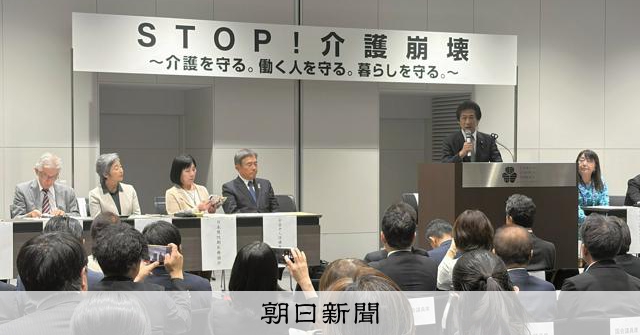
Japan is pushing forward with reforms in lifelong support guidelines and care fee revisions for 2027, while Singapore is addressing nursing home bed shortages for aging baby boomers and updating long-term care cost structures.

Japan is updating its physical security systems alongside back-to-school policy changes, while Singapore focuses on nursing home costs and expanding care service subsidies.

Japan's aging rate has hit 29.6%, driving national support for elderly individuals without physical functional impairments, while Singapore expands aging-related business opportunities through ELDEX Asia 2026.
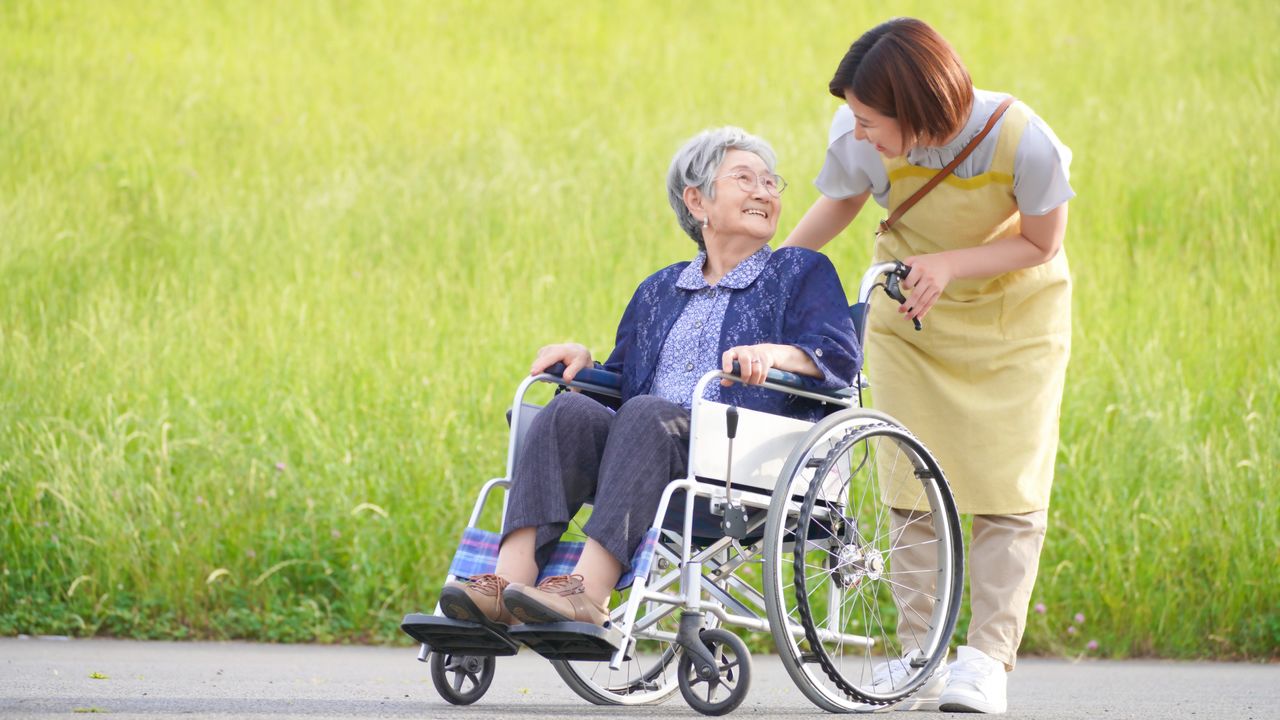
Japan's aging rate hit a record high of 29.4%, prompting the Ministry of Health, Labour and Welfare to build a unified database to prevent care accidents. Meanwhile, Singapore released its 2026 guidelines outlining Medisave coverage for community hospitals and step-down care.
일본은 65세 이상 인구가 3,624만 명에 달하며 요양 정보 기반 전시 준비가 한창이고, 싱가포르는 시민 인구의 21.4%가 65세 이상인 초고령 사회 진입을 공식화했습니다. 양국 모두 고령화에 따른 인력 확보와 재정 지원이 핵심 과제로 떠올랐습니다.
일본 후생노동성이 고소득 고령자의 요양보험료 인상과 산간지역 요양시설 인력 기준 완화 등 제도 개편을 본격화했습니다. 한편 싱가포르에서는 초고령화 사회에 대응하기 위한 통합적 인프라 재설계 담론이 확산되고 있습니다.
Create custom signals on any topic. AI curates and delivers 24/7.
Create SignalPowered by