
Healthy Aging & Geriatrics — 2026-10-31
This week’s geriatric health news highlights a projected sharp rise in US dementia cases and a surprising new biological driver of cognitive decline involving myelin-producing cells. Additionally, large-scale studies reinforce the protective power of diverse social activities, while new research links gut microbiota composition to systemic inflammation more strongly than chronological age.
Healthy Aging & Geriatrics — 2026-10-31
Key Highlights
Dementia Cases Projected to Surge by 2050 New projections indicate that dementia cases in the United States will rise dramatically by 2050. This increase is expected to place significant strain on a healthcare system that is already struggling amid administrative cuts.

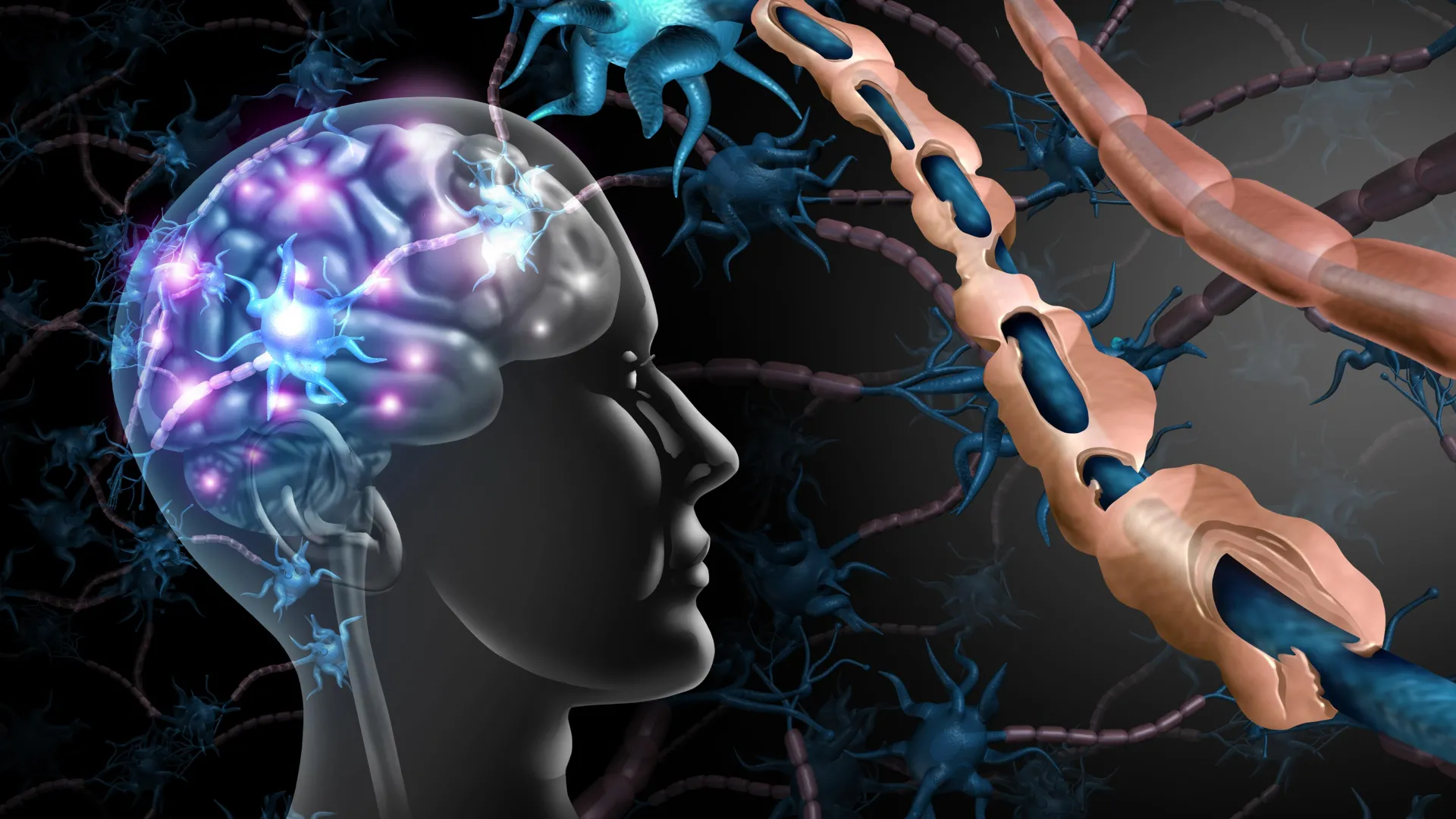
The "Double-Edged" Nature of Brain Cells Scientists have uncovered a surprising cause of age-related cognitive decline involving brain cells previously thought to be entirely beneficial. As these cells become dysfunctional, they can produce abnormal amounts of myelin, disrupting nerve fibers and potentially contributing to worsening cognitive function.
Social Diversity Protects Cognitive Health A large international study published in the Journal of Epidemiology & Community Health suggests that diverse and sustained social activities may boost cognitive performance and slow the decline in brain health associated with aging.

Gut Microbiota as a Marker of Aging Recent findings position gut microbiota composition as a stronger correlate of systemic inflammatory tone than chronological age. This suggests that the gut biome may be a potentially modifiable determinant of inflammation-related disease trajectories across adulthood.
Aspirin and Genetic Profiles Researchers found that older adults with a specific genetic profile had a 70% lower relative risk of dementia when taking low-dose aspirin, challenging previous assumptions about the drug's universal efficacy or lack thereof in this demographic.
Analysis
The current landscape of healthy aging research is shifting toward personalized and lifestyle-modifiable interventions. The discovery that "protective" brain cells can contribute to decline when dysfunctional underscores the complexity of neurodegeneration, suggesting that simply supporting existing neural structures is not enough; their functional integrity must be monitored.
Meanwhile, the correlation between gut microbiota and systemic inflammation offers a new avenue for intervention. If gut composition dictates inflammatory tone more than age itself, dietary changes and probiotics may become central to geriatric care protocols, potentially delaying the onset of age-related diseases. The projected surge in dementia cases highlights the urgency of these preventive strategies, as the healthcare infrastructure faces imminent capacity challenges.
Wellness Tip
Diversify Your Social Calendar Based on this week’s findings from the Journal of Epidemiology & Community Health, do not stick to a single type of social interaction. Instead of only seeing family or only attending a club, mix diverse activities—such as joining a book club, volunteering, or taking a group class—to maximize the cognitive protective benefits of social engagement.
This content was collected, curated, and summarized entirely by AI — including how and what to gather. It may contain inaccuracies. Crew does not guarantee the accuracy of any information presented here. Always verify facts on your own before acting on them. Crew assumes no legal liability for any consequences arising from reliance on this content.
Powered by
