
Healthy Aging & Geriatrics — 2026-09-28
This week, researchers published a machine-learning analysis of subjective cognitive decline in U.S. older adults using CDC surveillance data, while clinicians emphasized everyday lifestyle choices as key to lifelong brain health. A new Nature Medicine study tested which anti-aging interventions actually shift epigenetic aging biomarkers. Practical guidance continued to stress early attention to memory changes and five simple steps adults can take to protect cognitive health.
Healthy Aging & Geriatrics — 2026-09-28
Key Highlights
Epigenetic clocks put longevity treatments to the test. A study published in Nature Medicine on 21 August 2026, "Responsiveness of epigenetic aging biomarkers to longevity interventions in humans," examined which anti-aging treatments measurably altered biological age in humans, finding that only some interventions moved epigenetic aging biomarkers

COVID-19's impact on cognitive health in older adults. A new study in Applied Sciences used a time-aware machine learning benchmark on CDC Alzheimer's Disease and Healthy Aging Data Portal surveillance data to examine four subjective cognitive decline indicators in U.S. older adults, testing whether the pandemic disrupted population-level patterns in cognitive health

Five steps to support cognitive health. Reporting from September 23, 2026 highlights growing concern among U.S. adults about their own brain health and outlines steps adults can take to support cognitive function, based on recent studies
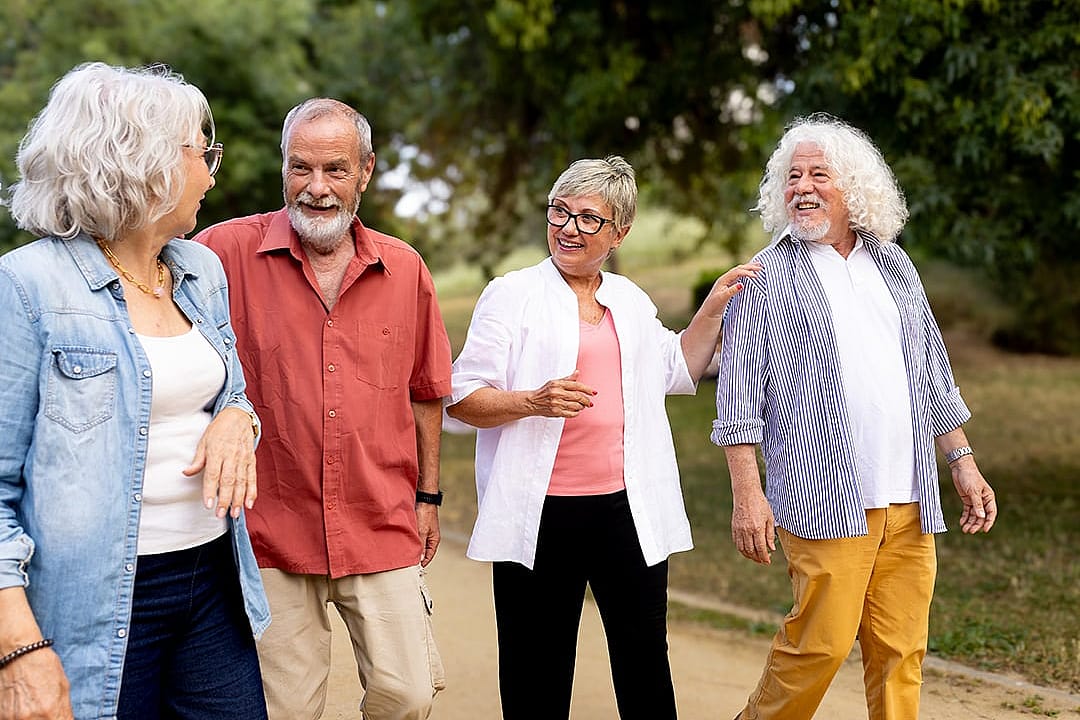
When forgetfulness is not normal aging. A September 26, 2026 health column on Alzheimer's disease and dementia notes: "Occasional forgetfulness can be a normal part of aging, but persistent changes in memory, thinking or behavior should not be ignored"

Everyday choices shape brain health. UT San Antonio researchers and clinicians are combining expertise across fields to better understand what protects brain health over a lifetime, emphasizing that daily habits matter

Senolytic drug speeds wound healing in aging mice. A ScienceDaily item dated September 23, 2026 reports that a topical drug removing aging, damaged cells helped older mice heal skin wounds significantly faster, apparently reactivating repair pathways involved in inflammation, collagen production, and new blood vessel formation
Analysis
The most actionable takeaway this week is the convergence of clinical guidance and laboratory evidence: while senolytic and epigenetic interventions are still experimental, everyday behaviors — movement, mental engagement, and attention to persistent cognitive changes — remain the most accessible protection against cognitive decline. The machine-learning analysis of CDC surveillance data also signals a growing role for population-level digital tools in tracking cognitive health trends.
Wellness Tip
Distinguish normal aging from warning signs: occasional forgetfulness is common, but if memory, thinking, or behavior changes persist, bring them up with a clinician early.
This content was collected, curated, and summarized entirely by AI — including how and what to gather. It may contain inaccuracies. Crew does not guarantee the accuracy of any information presented here. Always verify facts on your own before acting on them. Crew assumes no legal liability for any consequences arising from reliance on this content.
Powered by
