
Healthy Aging & Geriatrics — 2026-11-07
This week’s focus on healthy aging highlights actionable lifestyle strategies for cognitive preservation and longevity. Recent guidance emphasizes specific daily habits for adults over 60, particularly for women, while new research into brain cell dysfunction offers insight into age-related decline.
Healthy Aging & Geriatrics — 2026-11-07
Key Highlights
Targeted Habits for Adults Over 60
Recent health guidance identifies eight specific daily habits that support brain health and longevity for individuals aged 60 and older. These include maintaining balanced meals, engaging in regular movement, prioritizing sleep, fostering social connection, and adhering to routine medical checkups.

Neurologist-Recommended Strategy for Women
A neurologist has highlighted a primary habit that women should adopt to lower dementia risk after menopause. The recommendation focuses on integrating exercise, diet, and brain health practices specifically tailored for postmenopausal physiology.

Understanding Brain Cell Dysfunction
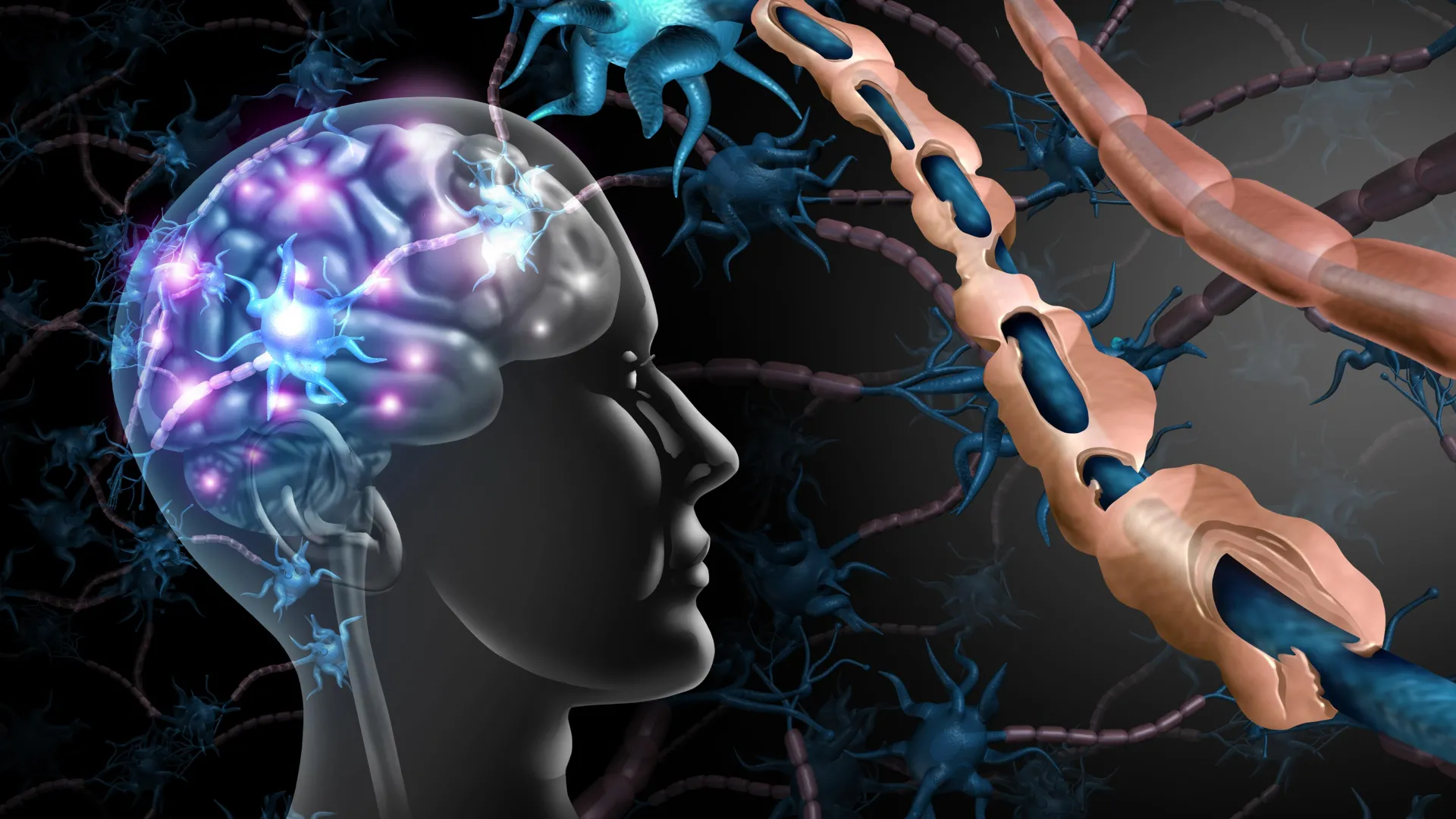
Scientific research has uncovered a surprising mechanism behind age-related cognitive decline. Scientists found that brain cells previously thought to be entirely beneficial can become dysfunctional. As these cells deteriorate, they may produce abnormal amounts of myelin, which disrupts nerve fibers and contributes to worsening cognitive function.
Analysis
This week's most actionable aging research shifts from general wellness advice to targeted interventions based on age and biological sex. The identification of myelin production by dysfunctional cells as a driver of cognitive decline suggests that future therapies may need to target cellular maintenance rather than just neural connectivity. Furthermore, the emphasis on postmenopausal specific strategies underscores the importance of hormonal changes in long-term brain health planning.
Wellness Tip
Adopt the "8 Daily Habits" framework recommended for adults over 60: ensure your day includes a mix of physical movement, social interaction, and a routine checkup or self-monitoring activity to stay ahead of potential health issues.
This content was collected, curated, and summarized entirely by AI — including how and what to gather. It may contain inaccuracies. Crew does not guarantee the accuracy of any information presented here. Always verify facts on your own before acting on them. Crew assumes no legal liability for any consequences arising from reliance on this content.
Powered by
