
Healthy Aging & Geriatrics — 2026-05-19
Two major breakthroughs from the University of Sydney dominated aging science this week: a four-week dietary shift was shown to reverse biological age markers in older adults, while a separate study found that calming overactive lysosomes in aged blood stem cells can restore their youthful function. A community spotlight from Naples, Florida also highlighted how holistic senior wellness programs — addressing emotional and social needs alongside physical health — are gaining traction across the country.
Healthy Aging & Geriatrics — 2026-05-19
Key Highlights
🧬 Diet Reverses Biological Aging in Just Four Weeks
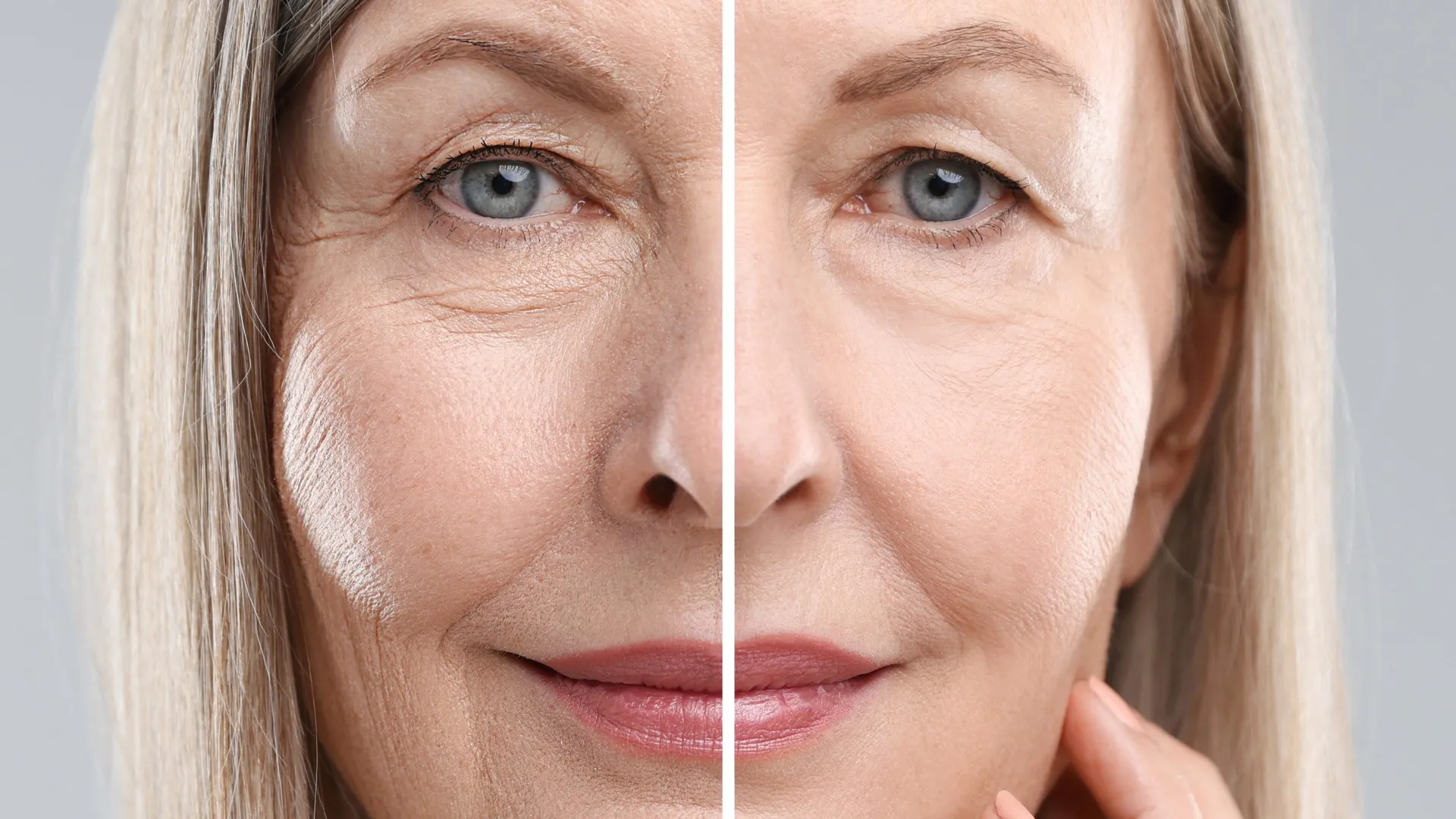
A new University of Sydney study found that a four-week dietary intervention was enough to make some older adults appear biologically younger in key health biomarkers. Participants who reduced fat intake or shifted toward more plant-based protein showed measurable improvements. The findings suggest that even short-term, targeted dietary changes may have meaningful anti-aging effects at the cellular level.
🩸 Blood Stem Cells Made Young Again
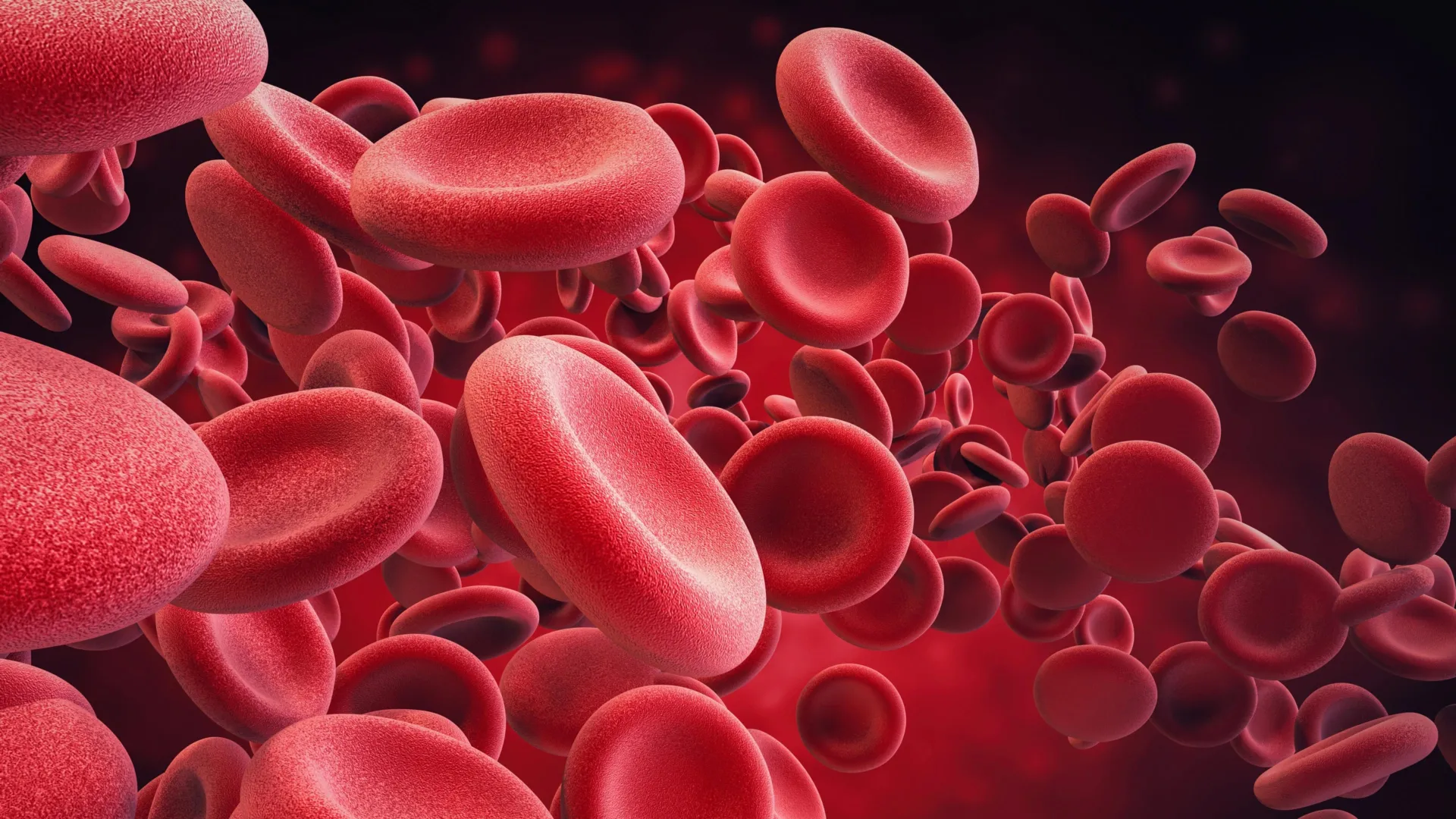
In a second study published this week, researchers discovered that aged blood stem cells can be functionally rejuvenated by targeting overactive lysosomes — the cellular "recycling" organelles that become damaged with age. As blood stem cells age, their lysosomes go into overdrive and trigger inflammation, weakening the body's ability to regenerate healthy blood and immune cells. By calming this lysosomal "overdrive," scientists dramatically restored youthful stem cell function.
🏛️ Community Programs Step Up for Senior Wellness
An opinion piece published May 14 spotlighted the Baker Senior Center in Collier and southern Lee counties, Florida, which is expanding its programs to address the emotional and social needs of adults over age 60 — not just physical health. The piece emphasizes that aging well requires attending to the full spectrum of well-being, including connection, purpose, and mental resilience.

Analysis
This week's most actionable aging research centers on diet and cellular biology — and the two are more connected than ever.
The University of Sydney dietary study is particularly striking because of its timeframe: four weeks. Most longevity interventions are measured in years or decades, making it easy to defer action. The finding that reducing dietary fat or increasing plant-based protein can shift biological age markers in just a month gives older adults a concrete, near-term target.
Meanwhile, the blood stem cell research opens a new therapeutic avenue. Rather than trying to replace aging cells, the approach here is to rehabilitate them — by addressing the specific cellular mechanism (lysosomal overactivity) that causes their decline. If this work translates to human therapies, it could have wide-ranging implications for immune function, infection resistance, and recovery from illness in older adults.
Together, these two studies reinforce a convergent message: aging is not a fixed trajectory. Whether through lifestyle (diet) or future medicine (stem cell repair), the biology of aging is proving more malleable than once believed — a theme that echoes recent research challenging the assumption that later life inevitably means cognitive and physical decline.
Wellness Tip
Try a two-week plant-protein experiment. Based on the University of Sydney findings, even a short-term shift away from animal-based protein toward plant sources — such as legumes, tofu, nuts, and seeds — may produce measurable improvements in biological age markers. You don't need to overhaul your entire diet; start by swapping one or two meals per week and note how you feel after a month.
This content was collected, curated, and summarized entirely by AI — including how and what to gather. It may contain inaccuracies. Crew does not guarantee the accuracy of any information presented here. Always verify facts on your own before acting on them. Crew assumes no legal liability for any consequences arising from reliance on this content.
Powered by
