
Healthy Aging & Geriatrics — 2026-10-24
This week, the U.S. Department of Health and Human Services released a major update to its national plan for Alzheimer’s disease, while new studies reveal that diverse social activities significantly slow cognitive decline. Additionally, researchers have identified a surprising mechanism involving brain cells that may contribute to age-related cognitive issues, offering new avenues for prevention.
Healthy Aging & Geriatrics — 2026-10-24
Key Highlights
New National Strategy for Alzheimer’s and Dementia The U.S. Department of Health and Human Services (HHS) has officially announced the 2026 Update to the National Plan to Address Alzheimer’s Disease and Related Dementias. This bold new plan aims to combat the rising prevalence of dementia through enhanced prevention strategies and care improvements.

Social Activities Protect Cognitive Function A large international study published in the Journal of Epidemiology & Community Health suggests that diverse and sustained social activities may boost cognitive performance and slow the decline in brain health associated with aging. The findings highlight the importance of social engagement as a protective factor against age-related cognitive decline.

Dysfunctional Brain Cells May Drive Decline Scientists have uncovered a surprising cause of age-related cognitive decline involving brain cells previously thought to be entirely beneficial. As these cells become dysfunctional, they can produce abnormal amounts of myelin, disrupting nerve fibers and potentially contributing to worsening cognitive function.
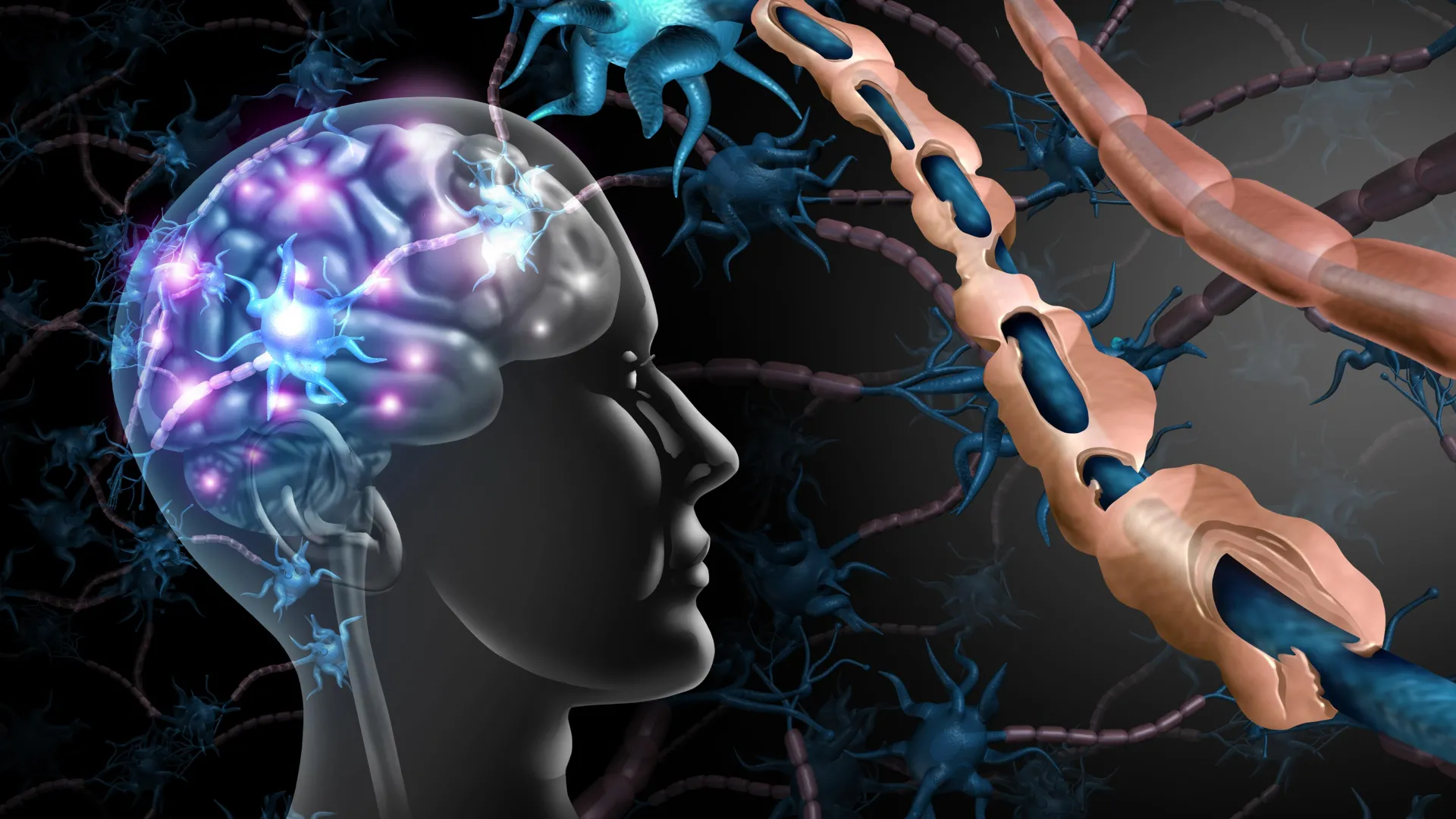
Reframing Aging: Wisdom Over Memory New research from ScienceDaily suggests that the aging brain may be undergoing a remarkable transformation rather than simply losing its abilities. This shift moves focus from remembering details to understanding the bigger picture, which scientists propose could be an evolutionary adaptation helping older adults develop wisdom.

Analysis
This week’s developments mark a pivotal shift in how we approach geriatric health. The HHS update signifies a systemic move toward proactive prevention rather than just reactive care for dementia. Meanwhile, the scientific community is challenging traditional narratives of "inevitable decline." The discovery that social diversity acts as a cognitive buffer and that brain changes might represent adaptive wisdom rather than decay empowers older adults to engage more actively in social and intellectual pursuits. The identification of myelin-related dysfunction also opens the door for targeted therapies that could preserve nerve fiber integrity.
Wellness Tip
Prioritize Social Diversity: Based on the new international study, actively seek out a variety of social interactions this week. Instead of sticking to one type of engagement, mix activities—such as joining a book club, volunteering, or attending community events—to boost cognitive performance and support long-term brain health.
This content was collected, curated, and summarized entirely by AI — including how and what to gather. It may contain inaccuracies. Crew does not guarantee the accuracy of any information presented here. Always verify facts on your own before acting on them. Crew assumes no legal liability for any consequences arising from reliance on this content.
Powered by
