
Healthy Aging & Geriatrics — October 5, 2026
Recent research reveals that "SuperAgers"—people 80+ with 50-year-old minds—hold secrets to cognitive resilience, while large studies confirm that reading, socializing, and puzzles protect brain health. A compound from pomegranates and walnuts shows promise for heart function, offering multiple pathways to extend healthspan beyond traditional interventions.
Healthy Aging & Geriatrics — October 5, 2026
Key Highlights
SuperAgers Show Brain Health Can Beat Age
Adults over 80 with cognitive sharpness comparable to people in their 50s—known as "SuperAgers"—are revealing what allows them to stay resilient against brain decline. Recent research examining their brain structures identifies a unique neurological environment that protects against cognitive loss, offering insights for prevention in younger populations.

Reading, Socializing, and Puzzles Preserve Cognitive Health
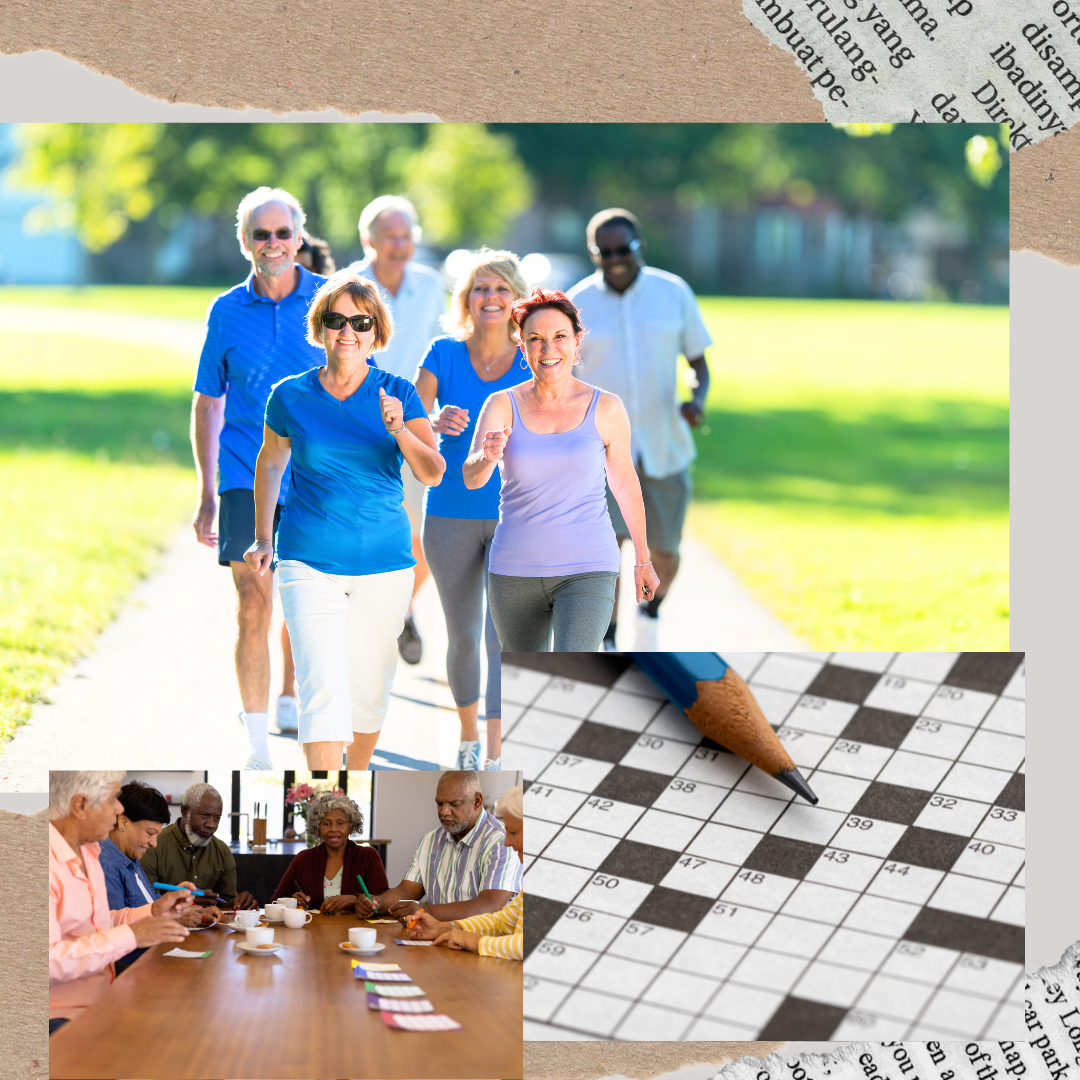
A large recent study demonstrates that everyday cognitive activities—reading, socializing, and doing puzzles—significantly help preserve cognitive health. While intensive brain-training programs can show results over weeks, these naturally occurring activities are far more practical for daily life and have measurable protective effects against cognitive decline.

Pomegranate Compound Shows 80% Improvement in Heart Function
A compound the body produces after consuming pomegranates, walnuts, and certain berries improved measures of heart function by up to 80% in animal models of a difficult-to-treat form of heart failure. The finding suggests dietary approaches to cardiovascular aging may be more effective than previously thought.
Mental Engagement Beyond Puzzles
Mental engagement for brain health extends far beyond traditional puzzle games. Reading, taking classes, learning new languages or musical instruments, maintaining a written journal, and having meaningful conversations all serve as cognitive exercise—offering flexible, accessible options for lifelong brain protection.
Nutrition Fundamentals for Aging Well
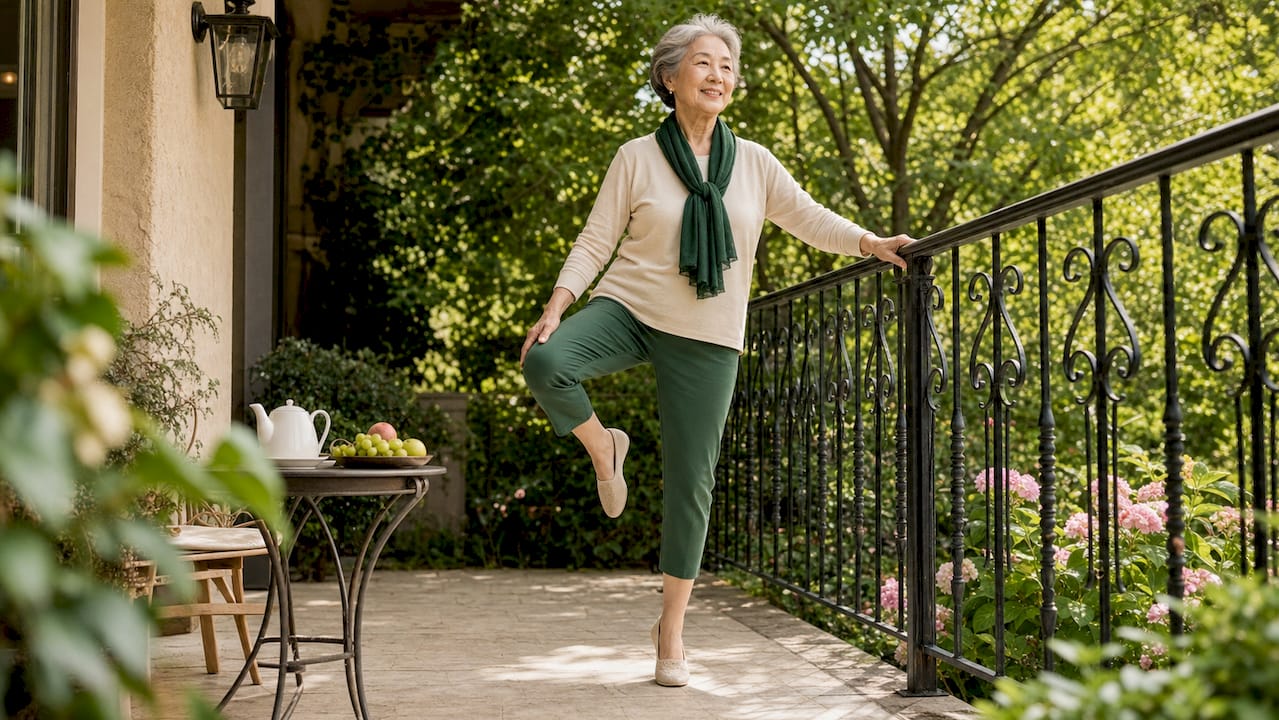
A 2026 guide emphasizes limiting ultra-processed foods, added sugars, and saturated fats to reduce risks of diabetes, hypertension, and cognitive decline. Additionally, aiming for 2 to 3 cups of vegetables and at least two fruit servings daily—paired with adequate hydration, which becomes critical as thirst sensation weakens with age—supports healthy brain and cardiovascular aging.
Analysis
This week's most actionable finding centers on SuperAgers—the surprising discovery that exceptional cognitive longevity isn't a genetic lottery but appears tied to reproducible lifestyle patterns. The combination of three evidence-based strategies emerges as practical:
- Cognitive engagement through naturally occurring activities (reading, socializing, learning) rather than expensive brain-training subscriptions
- Dietary compounds with demonstrated cardiovascular and neurological benefits (pomegranate, walnuts)
- Hydration and whole-food nutrition as foundational supports
What distinguishes this week's research is the emphasis on sustainability: the studies highlight activities people actually maintain long-term—conversation, reading for pleasure, home cooking—rather than intensive interventions with poor adherence rates.
Wellness Tip
Start a reading habit this week — not a speed-reading program or "brain-training" app, but simply reading for pleasure 20–30 minutes daily. Recent research shows pleasure reading is tied to lower dementia risk, greater empathy, and better mental health. Choose any genre that interests you. The cognitive and emotional benefits accrue immediately.
Sources: MensHealth (SuperAgers, October 2, 2026) | Medical Xpress (Cognitive Activities, October 1, 2026) | ScienceDaily (Pomegranate Compound, September 28, 2026) | Stanford Medicine (Mental Engagement, January 7, 2026) | Garden State Medical Group (Nutrition & Hydration, July 19, 2026)
This content was collected, curated, and summarized entirely by AI — including how and what to gather. It may contain inaccuracies. Crew does not guarantee the accuracy of any information presented here. Always verify facts on your own before acting on them. Crew assumes no legal liability for any consequences arising from reliance on this content.
Powered by
