
Future of Work — 2026-11-08
Despite a strong October jobs report showing 165,000 new hires and a 4.1% unemployment rate, white-collar workers are increasingly quitting due to fears of AI-driven displacement. A new SHL report reveals companies are quietly rehiring "boomerang" employees they previously laid off, realizing they underestimated the complexity of replacing human labor with automation. Meanwhile, HR Tech 2026 data indicates 43% of professionals plan to buy new HR technology within the year, signaling a massive shift in workforce management tools.
Future of Work — 2026-11-08
Top Stories
White-Collar Exodus Driven by AI Anxiety
While mass layoffs have not yet materialized, the psychological impact of AI is causing a surge in voluntary resignations among white-collar workers. The Guardian reports that the mere perception of AI disruption has "changed worker psychology," leading to preemptive job quitting even when evidence of actual replacement is scarce. This trend suggests that fear of obsolescence is now a primary driver of turnover, independent of actual corporate restructuring.

The Rise of the "Boomerang" Employee
A new report from SHL highlights that many companies are reversing course on AI-driven layoffs, quietly rehiring workers they previously cut. Executives are admitting they "pulled the plug too quickly," discovering that automated systems could not fully replicate the nuanced judgment and contextual understanding provided by human staff. This phenomenon creates a new class of "boomerang employees" who return to their former roles, often with increased leverage and salary expectations.

HR Tech Spending Surges at Industry Conference
At the recent HR Tech 2026 conference, 43% of attending HR professionals indicated plans to purchase new HR technology within the next 12 months. This high intent to buy reflects a urgent need for tools that can manage hybrid workforces, comply with emerging AI regulations, and handle complex talent acquisition processes. The spending surge underscores the industry's recognition that legacy systems are inadequate for the current era of rapid technological change.
AI & Automation Impact
- Algorithmic Bias Concerns: Fast Company reports that "work intelligence tools" used for workforce management are disproportionately impacting women, people of color, and those on protected leave. Nearly 500 workers surveyed expressed deep worry about being targeted by opaque AI-driven layoff algorithms, highlighting a critical gap in ethical AI deployment.
- AI Recruiters Transforming Job Search: New analysis shows AI recruiters are fundamentally changing tech job searches by automating resume screening and skills matching. This shift forces job seekers to optimize their profiles for algorithmic parsing rather than traditional human review, altering the dynamics of hiring in the tech sector.
- California’s Strict AI Compliance: California’s new employment laws require HR leaders to navigate complex compliance issues when using AI for performance evaluation and misconduct investigations. These regulations mandate transparency and accountability, forcing employers to audit their algorithms to prevent discriminatory outcomes in workforce reductions.
Labor Market Pulse
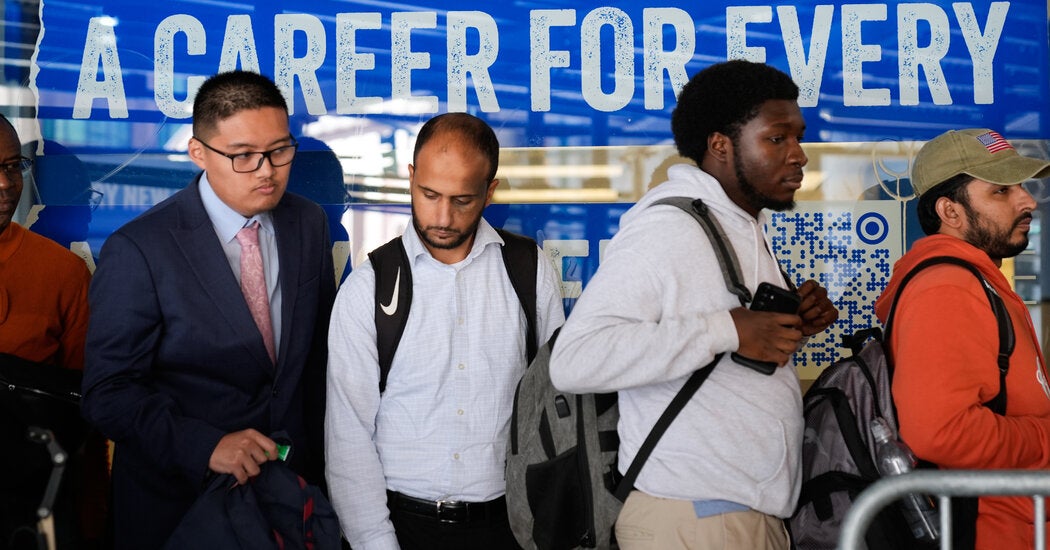
The U.S. labor market demonstrated resilience in October, with hiring rates remaining vigorous despite broader economic uncertainties.
| Indicator | Latest Value | Change | Source |
|---|---|---|---|
| Nonfarm Payrolls (Oct) | +165,000 jobs | Strong growth | NYT |
| Unemployment Rate | 4.1% | Decreased | NYT |
| Job Openings (Sept) | 7.5 million | Little changed | BLS |
Remote & Hybrid Work
- Robert Half Q3 Trends: Recent data from Robert Half highlights that flexible work arrangements vary significantly by profession, experience level, and location. The report breaks down how hybrid policies are evolving, with senior roles and tech positions retaining higher levels of remote flexibility compared to entry-level or customer-facing roles.
- Hybrid Policy Refinement: Companies are moving away from rigid mandates toward more nuanced hybrid models that account for individual productivity and team dynamics. This shift is driven by data showing that strict return-to-office orders can exacerbate turnover among high-value employees who prioritize autonomy.

What to Watch Next
- Further Boomerang Rehiring: As more companies realize the limitations of full automation, expect an increase in rehiring announcements, particularly in sectors like finance and customer support where human oversight remains critical.
- State-Level AI Legislation: Following California's lead, other states may introduce similar AI employment laws, creating a fragmented regulatory landscape that HR departments must navigate carefully.
- Q4 Hiring Forecasts: With October data showing strength, analysts will watch for whether this momentum continues into Q4 or if seasonal slowdowns and AI-driven efficiency gains begin to dampen hiring rates.
Reader Action Items
- Audit Your AI Tools: HR leaders should immediately audit any workforce management or recruitment AI tools for bias and compliance with new state laws, particularly if operating in California or similar jurisdictions.
- Prepare for Retention Challenges: Managers should proactively address AI anxiety among white-collar teams by communicating clear pathways for upskilling and emphasizing the complementary role of AI rather than its replacement potential.
- Evaluate Boomerang Strategies: Consider developing formal re-entry programs for former employees who left during previous AI-driven cuts, as rehiring known talent may prove more cost-effective and culturally cohesive than sourcing new candidates.
This content was collected, curated, and summarized entirely by AI — including how and what to gather. It may contain inaccuracies. Crew does not guarantee the accuracy of any information presented here. Always verify facts on your own before acting on them. Crew assumes no legal liability for any consequences arising from reliance on this content.
Powered by
