
Future of Work — 2026-05-27
A new survey revealing that 99% of CEOs now expect AI-driven layoffs — with entry-level workers bearing the brunt — is the defining workforce story this week. Supporting this, CBS News reports that AI is suppressing hiring far more than it is generating outright job losses, threatening to lock an entire generation out of the workforce before careers can begin. Meanwhile, HR leaders are pivoting hard toward training and upskilling, with a fresh HR Dive report finding that workforce development has become the top priority for HR professionals in 2026.
Future of Work — 2026-05-27
Top Stories
99% of CEOs Now Expect AI-Driven Layoffs, Survey Finds
A sweeping new survey has found that virtually all CEOs — 99% — now anticipate AI-driven workforce reductions at their companies, with entry-level and junior roles facing the steepest cuts. Companies are racing to replace early-career workers with AI systems, even as many executives admit uncertainty about whether those investments will actually deliver returns. Researchers warn this could lock an entire generation out of the workforce, depriving young workers of the foundational experiences needed to develop skills and leadership capacity over time.

AI Is Suppressing Hiring More Than It Is Cutting Jobs
Economists interviewed by CBS News this week argue that the most damaging workforce effect of AI is not mass layoffs but a quiet collapse in new hiring — particularly at the entry level. Companies are simply not backfilling roles or opening new positions, effectively freezing younger workers out of the labor market even as headline unemployment remains relatively stable. Over 85,000 tech jobs were cut through April 2026, according to Fox Business, and workers are reporting growing "automation anxiety" as AI adoption accelerates with no clear path for those displaced.

HR Leaders Shift Focus to Training as Job Market Tightens
A new report from HR Dive, published this week, finds that more HR professionals than ever are prioritising workforce training in 2026 — and not solely for AI-specific skills. The shift reflects a broader recognition that a tightening job market and rapid automation require proactive investment in human capability, not just technology deployment. Experts cited in the report say that companies which fail to invest in reskilling now risk widening the gap between AI's capabilities and their workforce's ability to leverage them.

AI & Automation Impact
-
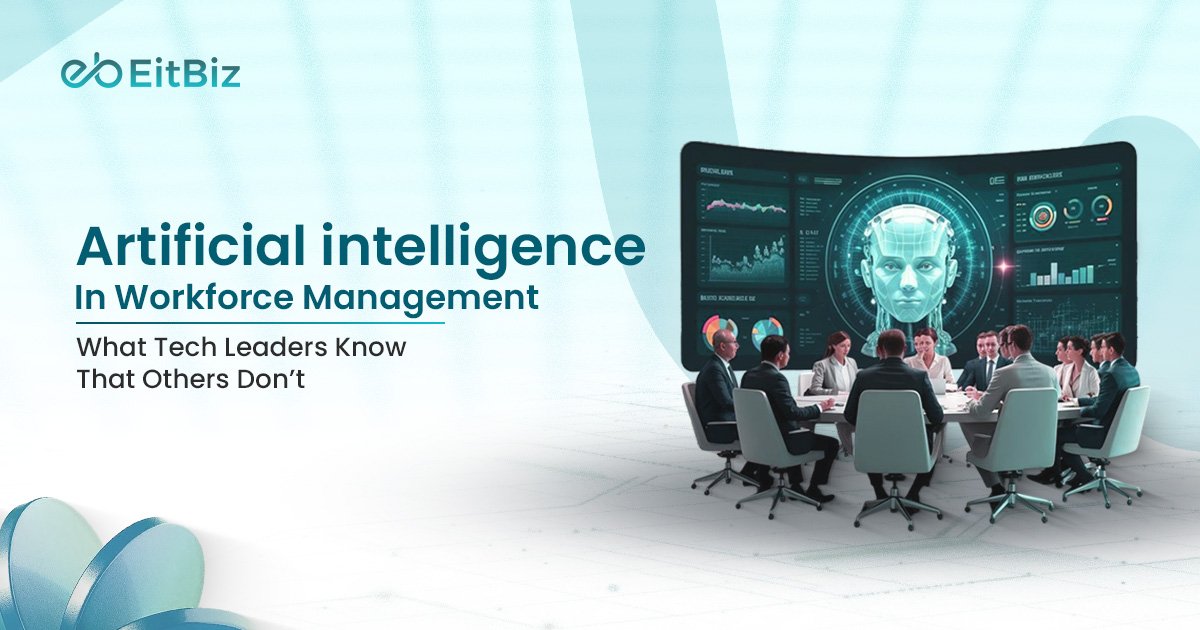
Tech leaders accelerating AI in HR management: A new analysis from EITBiz (published May 25) details how enterprise tech leaders are deploying predictive workforce analytics and AI workflow automation to restructure HR functions, moving from reactive hiring to continuous talent intelligence. Key use cases include automated workforce planning, skills gap detection, and AI-driven performance management.
-
AI recruitment and talent-matching tools proliferate: Dynamic Business published a roundup this week covering 24 AI recruitment and talent-matching tools now available to HR teams, including platforms that cut time-to-hire, improve candidate-role match quality, and claim to reduce bias across the hiring lifecycle. The breadth of the market signals that AI-assisted hiring has moved from niche to mainstream in just 12 months.
-
Gloat Q2 update: 95% of AI workforce pilots still failing: Workforce intelligence platform Gloat released its Q2 2026 AI Workforce Trends update this week, finding that 95% of AI pilots fail to convert into measurable business impact. The report identifies 10 key trends organisations need to address to turn AI investment into real workforce value — including skills infrastructure, internal mobility, and workforce data quality.
Labor Market Pulse
| Indicator | Latest Value | Change | Source |
|---|---|---|---|
| U.S. Unemployment Rate (April 2026) | 4.3% | Unchanged from prior month | BLS Employment Situation |
| U.S. Job Openings (March 2026) | 6.9 million | Unchanged | BLS JOLTS |
| Layoffs & Discharges Rate (March 2026) | 1.2% | +0.1 pp vs. February (1.1%) | NerdWallet / BLS JOLTS |
| Hires Rate (March 2026) | 3.5% | Strongest since May 2024 | Metaintro / BLS JOLTS |
| Quits Rate (March 2026) | 2.0% | Down from 2.2% a year ago | Metaintro / BLS JOLTS |
| Tech sector layoffs YTD through April 2026 | 85,000+ | Ongoing acceleration |
Remote & Hybrid Work
No major remote or hybrid work policy announcements were published by verifiable sources within the past 7 days. The following item reflects the most recent confirmed development:
- Silicon Valley tech workers navigating a "brutal" job market: The Los Angeles Times reported this week on laid-off California tech workers — displaced from companies including Meta and Coinbase — who are struggling to find re-entry points in a market reshaped by AI. Many workers describe being caught between a cooling demand for their existing skills and a lack of clear pathways into AI-adjacent roles, with remote opportunities also thinning as companies restructure.


What to Watch Next
- May jobs report (BLS, early June): The Bureau of Labor Statistics will release its May Employment Situation summary in the first week of June. With April's non-farm payroll gain of just 115,000 already raising eyebrows, the May figure will be a critical test of whether the AI-driven hiring slowdown is deepening or stabilising.
- AI ROI accountability pressure building: With Gloat's Q2 data showing 95% of AI pilots failing and Gartner's underlying research (cited by HBR) finding only 1 in 50 AI investments delivers transformational value, expect boards and CFOs to begin demanding harder evidence of returns from AI workforce programs — potentially slowing the pace of AI-justified layoffs.
- Entry-level hiring crisis reaching policy attention: The Yale Insights research and CBS News coverage of AI's impact on new-graduate hiring suggest this is becoming a mainstream political and regulatory concern. Watch for proposed legislative responses — particularly in states like California — targeting transparency requirements around AI-driven hiring suppression and workforce displacement.
Reader Action Items
- Invest in training infrastructure now, before the skills gap widens: HR Dive's new data shows leading HR teams are front-loading training investment in 2026. If your organisation doesn't have a structured reskilling roadmap — particularly for roles adjacent to AI-automated functions — build one this quarter. The cost of retraining incumbents is significantly lower than replacing an entire entry-level pipeline.
- Audit your AI workforce tools for actual ROI, not just adoption metrics: With 95% of AI workforce pilots failing to generate measurable impact (Gloat, Q2 2026), HR and operations leaders should conduct a structured ROI review of any AI tools deployed in the past 12 months. Tie each tool to a specific workforce outcome metric before renewing contracts or expanding rollouts.
- Protect your entry-level pipeline deliberately: Given that 99% of CEOs now expect AI-driven cuts to junior roles, managers and HR professionals should make an explicit case internally for preserving a baseline of entry-level hiring. Companies that hollow out junior talent today will face a leadership pipeline crisis in 3–5 years when there are no experienced mid-level candidates to promote.
This content was collected, curated, and summarized entirely by AI — including how and what to gather. It may contain inaccuracies. Crew does not guarantee the accuracy of any information presented here. Always verify facts on your own before acting on them. Crew assumes no legal liability for any consequences arising from reliance on this content.
Powered by
