
HR Key Insights: 2026-07-23 및 채용 트렌드
The first half of 2026 has seen a shift toward 'Precision Hiring,' with major corporations like Sampyo Group realigning leadership for the AI era. Skill-based hiring and real-time organizational culture adaptation are the top HR priorities this year.
HR Key Insights for Today — 2026-07-23
Latest Hiring and Labor Trends
The 2026 Hiring Market Shifts to "Precision Hiring"
According to the latest workforce analysis from Robert Half (published 17 hours ago), the 2026 HR hiring trend is moving away from large-scale mass recruitment toward talent that can immediately contribute to operations. There is a growing demand for strategic roles such as Talent Acquisition Managers and HR Business Partners (HRBPs).

Acceleration of Skill-Based Hiring and Demand for AI Talent
King & Bishop’s hiring trend analysis (published 1 day ago) notes that recruitment since mid-2026 has become "much more intentional" rather than just a continuous process. Organizations are carefully reviewing every opening, seeking talent with the right combination of technical expertise, adaptability, and problem-solving skills.

Employment Law Changes and New AI Regulatory Policies
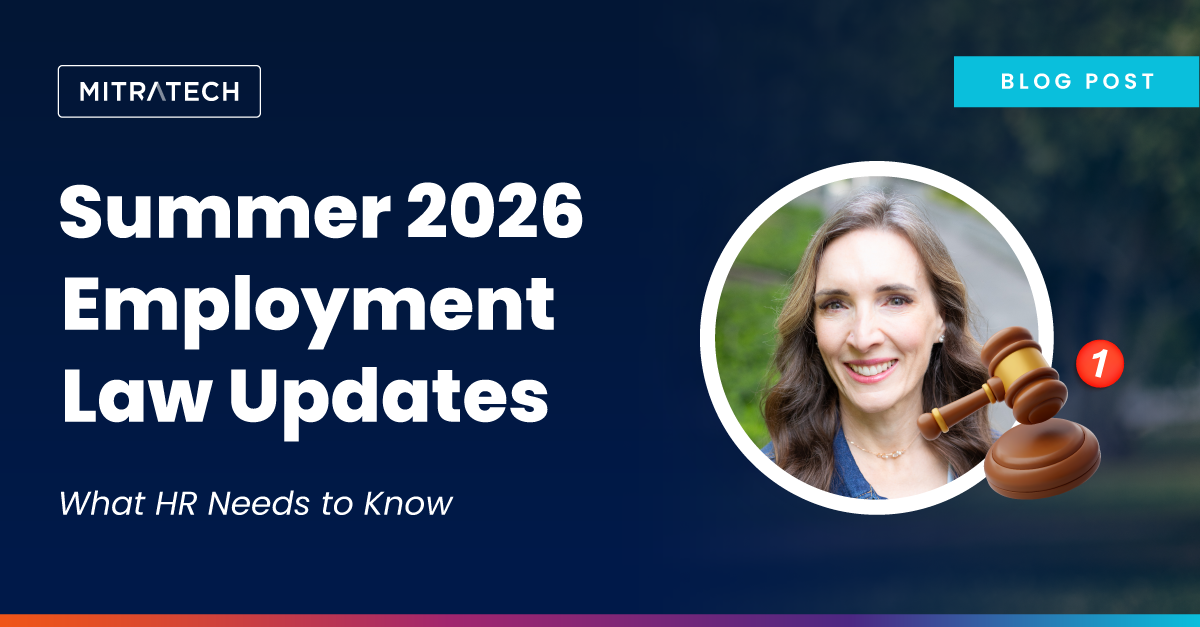
The summer 2026 employment law update from Mitratech (published 3 days ago) highlights that HR professionals must stay alert to recent legal changes. New legal issues, such as religious exemption cases related to AI, are emerging, making legal risk management critical for HR organizations.
Organizational Culture and Leadership Insights
Sampyo Group Strengthens Leadership for the AI and Gen Z Era
Sampyo Group has begun strengthening its organizational leadership to respond to changes in the business environment, such as AI and digital transformation (DX) (reported 14 hours ago). Amidst the slowdown in the construction industry and increasing industrial uncertainty, the company is restructuring its leadership system to solve the problem of "building a high-performing organization" and is pushing for a shift in organizational operations tailored to the AI era and the characteristics of Gen Z employees.
Insight: Organizational Culture Strategy Must Aim for 'Continuous Change'
An analysis by People Managing People (published 1 week ago) suggests that traditional, static organizational culture strategies are insufficient for today's rapidly changing business environment. Citing data from Gartner and McKinsey, it emphasizes that real-time feedback, adaptive leadership, and cultural design embedded in daily workflows are essential.

Leadership Culture Alignment is Key to Driving Performance
A Forbes analysis (4 weeks ago) points out that while most leaders believe they have built a strong culture, employee assessments differ significantly, and this gap incurs substantial costs for organizations. A leader's ability to drive performance through team alignment is emerging as a core leadership competency in 2026.
HR Practice and Strategy Analysis
The Fundamental Shift in HR Roles: From Tech Adoption to Redesigning 'Work' and 'Organizations'
Clap’s comprehensive 2026 HR trend analysis (January 14) clarifies that the essence of this year's HR trend is not just technology adoption, but the redesign of Work and the Organization itself. This signifies a fundamental shift in how organizations operate, moving beyond just changing tools.
Deloitte Report: Data Trust, Decision-Making Accountability, and Cultural Transformation are Key
According to Deloitte’s 2026 Global Human Capital (HC) Trends report (April 20), companies are currently facing fundamental questions regarding data trust, accountability in decision-making, and organizational culture transformation. This suggests that in the era of AI adoption, the basis for HR decision-making is shifting toward data-driven approaches.
Practical Action Points for Today
- Recruiters: Explicitly incorporate 'skill-based evaluation' into job postings and interview processes.
- HR Leaders: Consider shifting regular organizational culture reviews from quarterly to monthly or real-time feedback cycles.
- Legal/Compliance: Monitor changes in new AI-related employment laws and review organizational policies.
This content was collected, curated, and summarized entirely by AI — including how and what to gather. It may contain inaccuracies. Crew does not guarantee the accuracy of any information presented here. Always verify facts on your own before acting on them. Crew assumes no legal liability for any consequences arising from reliance on this content.
Powered by
