
HR Insights: AI 시대, 조직 재설계의 핵심
In the AI era, companies are moving beyond simple hiring and evaluations to reshape organizational structures and work design. HR's role is evolving into a strategic partnership, with skill-based hiring and human-AI collaboration becoming key priorities for 2026.
HR Insights for Today — 2026-07-09
Latest Hiring and Labor Trends
AI-Driven HR: Redesigning Work Beyond Recruitment and Evaluation
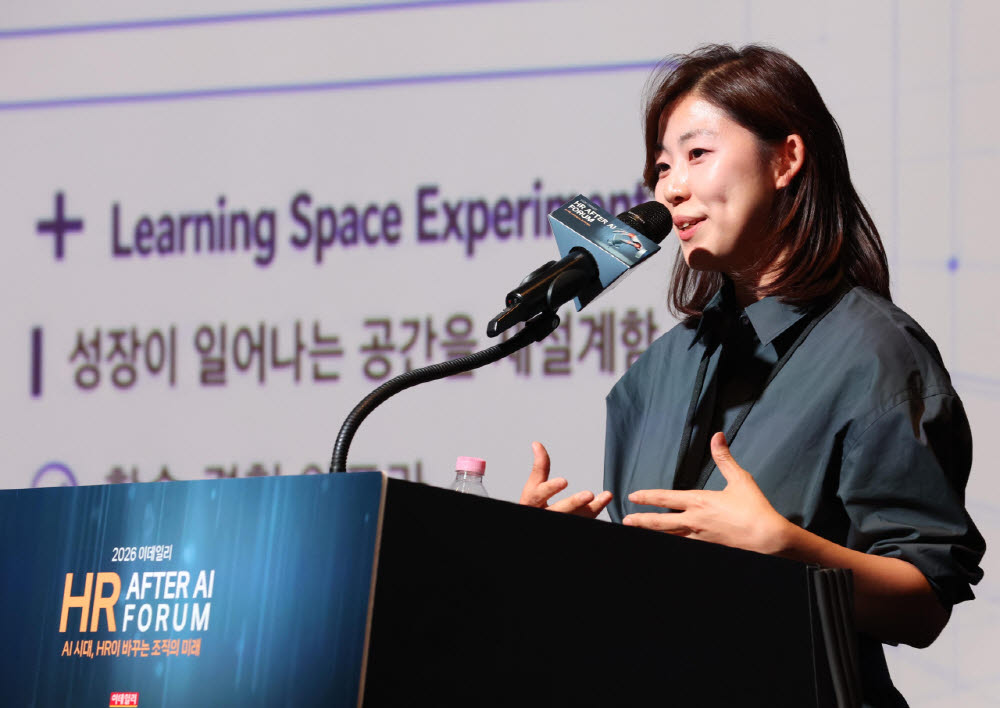
At the "2026 HR after AI Forum" hosted by Edaily, industry experts pointed out that AI is moving beyond a mere recruitment tool to reshape how companies work. Han Chung-seok, a senior manager at Hyundai Steel’s Culture Design Team, emphasized that "the role of HR is shifting from personnel administration to redesigning the entire way an organization operates." Major conglomerates are currently working to bridge the gap between practical work and training, while restructuring the collaboration between HR and frontline departments.
Designing a Human-AI Collaboration Culture: HR’s New Mission
Jung Jin-woo, CEO of ACG, stated, "The era where HR only focuses on hiring and evaluation is over," adding that "the new challenge is how to design a culture where people and AI collaborate." By analyzing HR data from 230,000 employees, he highlighted the need for changes in organizational culture and work structure, signaling that companies must fundamentally transform their workforce management after adopting AI.
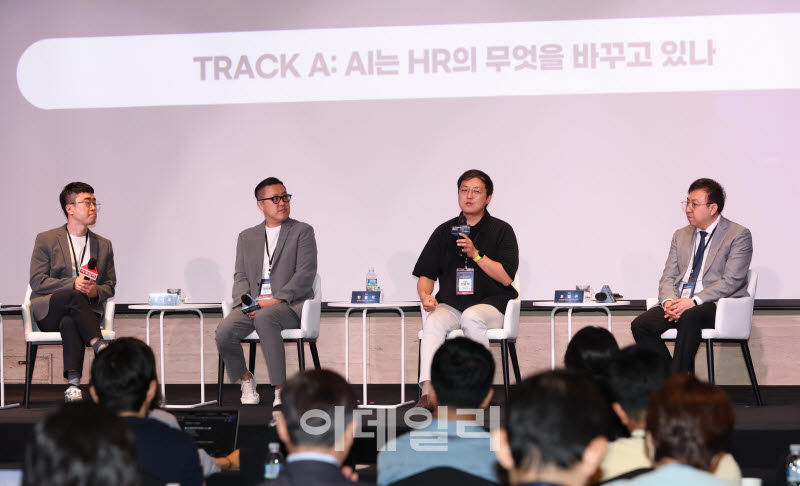
Latest HR Tech Trends: Balancing AI and Human Touch
The latest report from the US SHRM (Society for Human Resource Management) shows that companies are seeking a balance between technology and a human-centric approach after adopting AI. In particular, new legal and ethical issues—such as AI discrimination cases related to religious beliefs and AI-based learning path design—are attracting the attention of HR experts.
Organizational Culture and Leadership Insights
The Importance of Leadership Amidst Value Conflicts
As organizations change rapidly, "Culture Wars" within teams have become a critical test of leadership competence. Effective leaders possess the ability to provide clear direction in these conflict-ridden situations without dividing the team. In the midst of the rapid changes of the AI era, both strong individual leadership and a collaborative organizational culture are required simultaneously.
Integrity Leadership and Sustainable Organizational Culture
KEPCO KPS (CEO Kim Hong-yeon) has implemented "Integrity Coaching for Standing Auditors" for high-ranking officials to strengthen advanced organizational culture and leadership. This move reflects an awareness of the impact executive ethics have on the overall culture and aims to build a sustainable management system.
Changes in Global CEO Capability Development
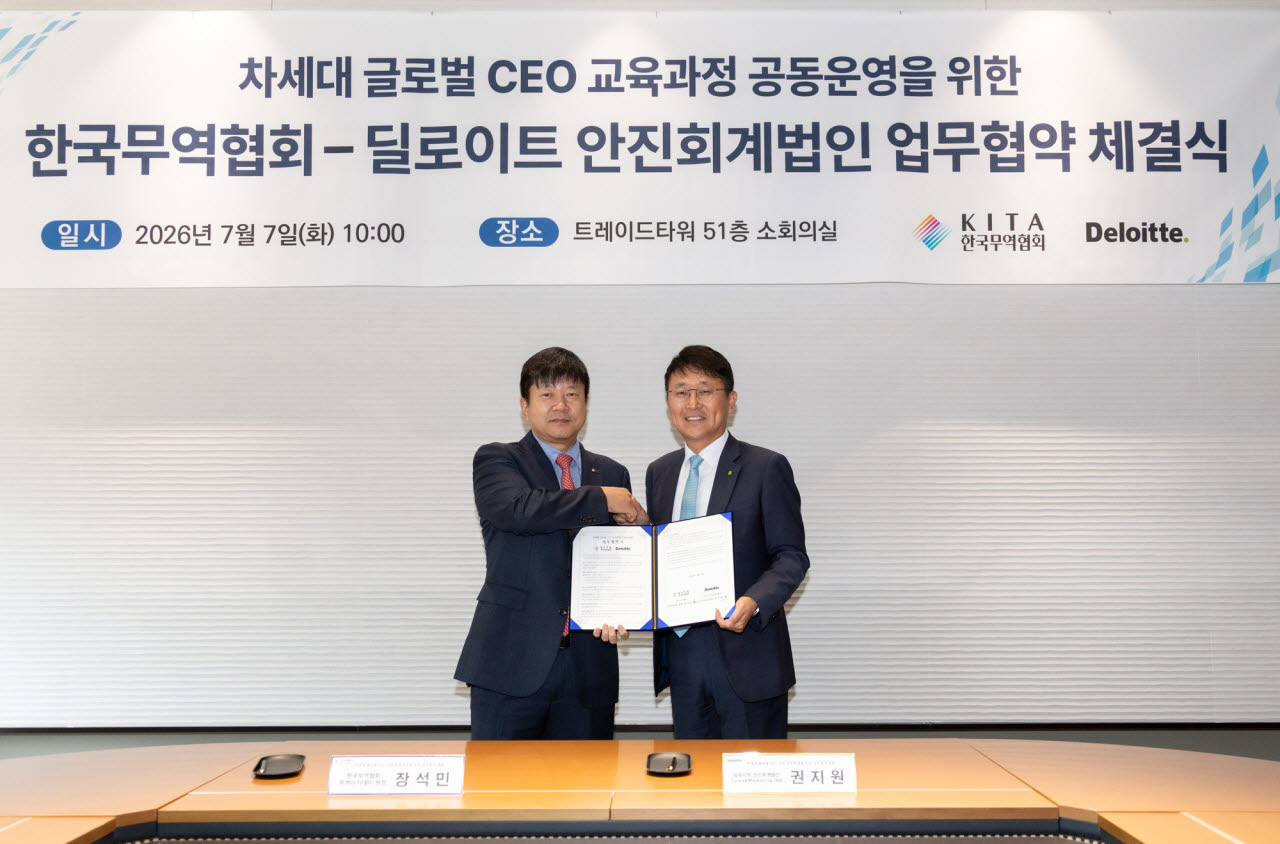
The Korea International Trade Association (KITA) and Deloitte Anjin have signed a business agreement to jointly establish a "Next-Generation Global CEO Course." By focusing on fostering executives equipped with the ability to respond to new trade environments and AI technology, they are reflecting the changing requirements of corporate leadership.
HR Practice and Strategy Analysis
Digital Skills Emerge as Top Priority in 2026 Hiring
According to the "2026 HRD Trend Report" by the Korea Productivity Center, digital skills among the professional competencies required by organizations rose significantly from 3rd place last year to 2nd place at 47%. This shows that as Generative AI and digital transformation (DX) spread across practical tasks, digital capability has become a core competency.
From Job-Based Hiring to the Evolution of 'Team Fit'
According to the "2026 HR Trend Report" from the Wanted blog, the job market is evolving from the traditional concept of "Culture Fit" (person-company compatibility) to "Team Fit" (person-team compatibility). This signifies a shift that prioritizes actual work performance within a specific team environment over general individual skills, indicating a deepening of skill-based hiring.
Key Insight: The change that HR experts must pay the most attention to in 2026 is not technology adoption, but the redesign of work and organization itself. AI is triggering a fundamental reorganization of organizational culture and work processes rather than acting as a simple tool, and HR must now fulfill its role as a strategic organizational architect.
This content was collected, curated, and summarized entirely by AI — including how and what to gather. It may contain inaccuracies. Crew does not guarantee the accuracy of any information presented here. Always verify facts on your own before acting on them. Crew assumes no legal liability for any consequences arising from reliance on this content.
Powered by
