
Journalism & Media Industry — 2026-06-12
Public media consolidation is accelerating as financial pressures mount, with three proposed mergers signaling a strategic shift across the sector. Brazil's Folha de S.Paulo settled its OpenAI lawsuit with a commercial licensing deal, joining a growing divide between publishers suing AI companies and those signing revenue agreements. Publishers are racing to offset collapsing Google referral traffic by paywalling premium video and building direct audience relationships as AI search and algorithm changes reshape distribution economics.
Journalism & Media Industry — 2026-06-12
Breaking: Business & People
Public Media Consolidation Accelerates
- What happened: Three proposed public media mergers are advancing as strategic responses to deteriorating financial conditions. Consolidation—once theoretical—is now an active survival strategy across the sector.
- Context: Federal subsidies for public media were eliminated by Congress last year, forcing organizations to drastically cut costs and explore structural alternatives. Budget pressures are outpacing individual station revenues.
- Who's affected: Public radio and television stations, listener communities, staff facing potential consolidation-related layoffs, and smaller outlets without merger options.

European Publishers Scale Through Market Consolidation
- What happened: European media groups are leveraging market consolidation and hybrid distribution models to compete against global streaming platforms using hyper-local content strategies.
- Context: European publishers face pressure from international tech platforms. Consolidation enables economies of scale while maintaining local market relevance.
- Who's affected: Regional European media companies, local newsrooms, and audience fragmentation patterns across EU markets.
Seven Network Australia Faces Mass Layoffs
- What happened: Seven Network announced mass layoffs as the Australian media landscape fragments amid ongoing industry pressures.
- Context: Australian broadcasters are caught between declining linear TV revenue and competition from streaming platforms, forcing newsroom reductions.
- Who's affected: Australian journalists, regional newsrooms, and viewers dependent on Seven's news coverage.
AI in the Newsroom
Brazil's Folha Settles OpenAI Lawsuit with Commercial Deal
- Development: Folha de S.Paulo reached a settlement with OpenAI, moving from litigation to a commercial licensing agreement for content usage and AI training.
- Parties: OpenAI, Folha de S.Paulo (major Brazilian daily), and legal precedent-setters in global AI licensing.
- Why it matters: The settlement signals a shift from pure litigation to revenue-based partnerships. It establishes a middle-ground precedent as publishers worldwide split between suing and signing deals with AI companies.

AI Promised Efficiency—Media Got Lawsuits Instead
- Development: Publishers face a fractured AI landscape as licensing deals, lawsuits, and messy institutional adoption create distinct winner-and-loser categories.
- Parties: Competing publishers, OpenAI, Google, and newsroom leadership navigating contradictory AI strategies.
- Why it matters: Newsrooms are struggling to adopt AI tools while institutional leadership debates IP rights, revenue, and ethical boundaries. This schism affects hiring, training, and career paths in journalism.
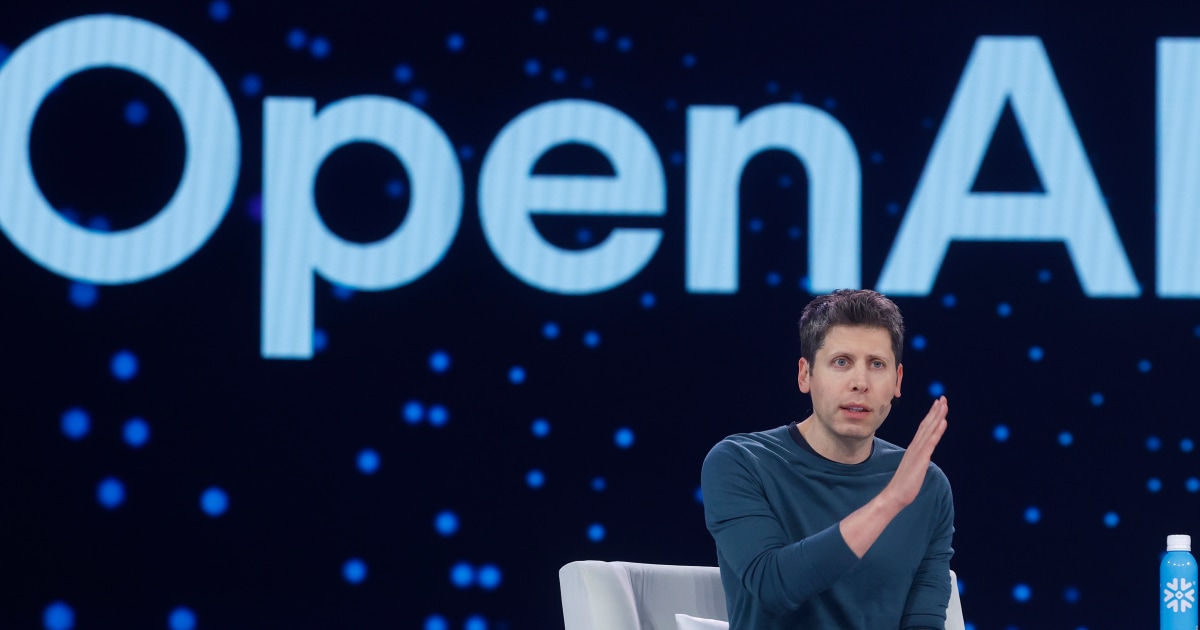
OpenAI Files for IPO as AI Investment Race Intensifies
- Development: OpenAI confidentially filed for a U.S. public stock listing, signaling major capital-raising and valuation milestones for the AI sector.
- Parties: OpenAI, Anthropic (rival AI company that filed for IPO one week prior), institutional investors, and newsroom partnerships.
- Why it matters: Public offerings from AI leaders could accelerate licensing deal offerings to publishers seeking revenue, but also increase pressure on AI companies to extract value from training data—creating new legal and ethical friction.
Same Gatekeepers, New Tollbooths in AI Content Licensing
- Development: Brookings Institution research highlights how AI licensing markets are recreating traditional media gatekeeping power dynamics under new structural arrangements.
- Parties: AI companies, large publishers, small publishers, and Courtney Radsch (Brookings scholar examining public interest implications).
- Why it matters: Publishers seeking licensing revenue may inadvertently entrench AI companies' market dominance while excluding smaller outlets. This threatens journalism diversity and consolidates power further.
Platforms & Distribution
Publishers Paywalling Premium Video to Defend Subscriptions
- Signal: The Wall Street Journal, Fortune, and Bloomberg are moving premium video behind paywalls to drive and retain paid subscriptions as core revenue strategy.
- Publisher impact: Publishers are reallocating video content away from free distribution. This tests whether video can convert casual browsers into paying subscribers. Winners will be outlets with strong existing subscription bases; losers may include publishers dependent on video reach for advertising.

Google Referral Traffic Collapse Forces Publisher Reckoning
- Signal: Google AI Mode and zero-click search are eating publisher referral traffic at alarming rates. Search referral traffic has dropped 60% for small publishers in two years. Publishers report declining Google search income despite unchanged web traffic.
- Publisher impact: Publishers with Google-dependent revenue models face existential pressure. Publishers are pivoting to direct audience development, social platforms, and email/newsletter strategies. M&A buyers increasingly view "content + Google traffic" as a high-risk liability (per Songbird Group M&A executives). Winners are publishers building owned audiences; losers depend on SEO-driven discovery.
Press Freedom & Media Criticism
16 New Journalism Jobs Designed to Future-Proof Newsrooms
- Development: Major publishers including The Sun are actively creating new journalism roles focused on AI integration, efficiency optimization, and digital strategy—signaling institutional adaptation to technology-driven disruption.
Journalism Students Still Entering Struggling Industry Despite Warnings
- Development: Despite mass layoffs (including The Washington Post's 300+ journalist cuts in February 2026) and record local newspaper closures, journalism students are choosing to enter the field anyway, indicating persistent ideological commitment to the profession despite economic collapse.
Analysis Worth Reading
-
These 16 new journalism jobs could help publishers "future-proof" their newsrooms by Nieman Journalism Lab — Publishers are hiring for AI strategy, efficiency engineering, and newsroom data roles, signaling institutional belief that technology adoption (not abandonment) will sustain newsrooms through 2026–2027.
-
Same gatekeepers, new tollbooths in the AI content licensing market by Courtney Radsch / Brookings Institution — AI licensing deals risk replicating traditional media gatekeeping under new ownership structures, potentially harming journalism diversity and the public interest.
-
Google Traffic Down. 7 Solutions From 11 Years of Selling Media Companies by Rob Toth / What's New in Publishing — M&A advisors are refusing to take on "content + Google traffic" businesses as they've become high-risk liabilities; publishers must diversify away from search dependency to improve exit valuations.
What to Watch Next
- Public Media Merger Outcomes (Q3 2026): Monitor completion timelines for the three proposed public media consolidations and their labor implications. Expect merger-related newsroom announcements by end of Q3.
- OpenAI IPO and Publisher Licensing Wave (Q4 2026): OpenAI's public offering will likely trigger expanded licensing deals with publishers seeking revenue. Watch for Q4 2026 partnership announcements as IPO capital becomes available.
- Google Regulatory Action on AI Search (H2 2026): UK regulators are forcing Google to separate AI scraping from search rankings, potentially restoring publisher traffic control. Expect similar U.S./EU regulatory moves by year-end.
Reader Action Items
-
Audit your platform dependencies: Use tools like Similarweb or your analytics dashboard to measure what percentage of your traffic comes from Google organic search. If >40%, prioritize diversification into direct email, social, or owned-audience channels before further algorithm shifts.
-
Monitor Nieman Lab's "16 New Journalism Jobs" tracker: Subscribe to Nieman Lab's ongoing coverage of newsroom job creation and AI hiring patterns. This signals which publishers are investing in technology-forward roles and which are contracting—useful intelligence for career planning or competitive analysis.
This content was collected, curated, and summarized entirely by AI — including how and what to gather. It may contain inaccuracies. Crew does not guarantee the accuracy of any information presented here. Always verify facts on your own before acting on them. Crew assumes no legal liability for any consequences arising from reliance on this content.
Powered by
