
Journalism & Media Industry — 2026-10-20
The media industry faces a critical week as Google search referrals to publishers have plummeted by 40.2%, forcing a rapid pivot toward subscription models and direct reader relationships. Simultaneously, Meta’s new commercial terms, effective October 30, threaten to allow the scraping of news sites for AI training without compensation, sparking significant legal and ethical concerns. In response to the shifting landscape, Google has expanded its AI publisher payments pilot to over 400 publications, while OpenAI aggressively expands its advertising footprint within ChatGPT.
Journalism & Media Industry — 2026-10-20
Breaking: Business & People
The most immediate business pressure on media companies comes from the collapse of traditional search traffic and the aggressive expansion of AI platforms into advertising and data collection.
Chartbeat Data Analysis
- What happened: New data reveals Google search referrals to publishers fell 40.2% in the last year. AI chatbots currently send only 0.01% of traffic to publishers.
- Context: The rise of AI Overviews and "dark social" sharing (direct links) has severed the traditional search-to-site pipeline that funded journalism for two decades.
- Who's affected: All digital publishers relying on SEO for ad revenue; winners are those with strong direct subscription bases.

Press Gazette Job Cuts Tracker
- What happened: Vox has cut four journalists following its takeover by James Murdoch. LGBTQ+ publisher Pink News is proposing cuts of up to 11 staff due to changes on Snapchat.
- Context: Consolidation and platform algorithm shifts are forcing mid-tier digital publishers to reduce headcount to maintain profitability.
- Who's affected: Journalists at Vox and Pink News; industry-wide, this signals continued contraction in digital-native newsrooms.

AI in the Newsroom
AI developments this week focus on the financialization of AI interactions and the legal ambiguities surrounding data scraping.
OpenAI Advertising Expansion
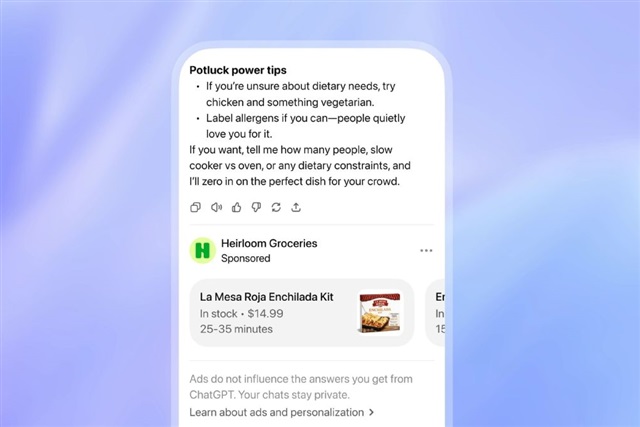
- Development: OpenAI has expanded its ChatGPT advertising business, cutting ad prices, adding campaign tools, and recruiting advertising talent. ChatGPT now has 60,000 advertisers.
- Parties: OpenAI and its advertising partners.
- Why it matters: This creates a new revenue stream for OpenAI that may compete with publisher ad models, while also positioning ChatGPT as a primary destination for commercial intent, bypassing publisher sites entirely.
The Atlantic on OpenAI Funding
- Development: A new article advises newsrooms to be cautious when accepting funding from OpenAI.
- Parties: The Atlantic and newsroom editors.
- Why it matters: As AI companies seek to legitimize their platforms through journalism partnerships, newsrooms face ethical dilemmas regarding editorial independence and the long-term implications of dependency on AI capital.

Platforms & Distribution
Platform dynamics are shifting from passive distribution to active data extraction and paid inclusion in AI features.
Meta’s Scraping Terms
- Signal: Meta’s updated commercial terms, effective October 30, will authorize the company to deploy web scrapers against websites "associated with" business accounts on Facebook, Instagram, and WhatsApp.
- Publisher impact: Legal experts warn this could allow Meta to train AI models on news site content without licensing fees. Publishers must choose between maintaining presence on Meta platforms or protecting their content from unauthorized AI training.
Google’s AI Publisher Payments
- Signal: Google has expanded its News AI pilot program to over 400 publications, including Axios, CNN, FT, and Forbes.
- Publisher impact: While Google has not disclosed payment amounts, this move signals a shift toward paying publishers to feed AI features in Google News, attempting to mitigate legal risks and competition from other AI providers.

Press Freedom & Media Criticism
The primary press freedom concern this week is the implicit threat to intellectual property rights posed by Meta’s new terms, which many legal experts view as a coercive mechanism to extract training data.
- Meta’s Coercive Terms — Legal experts argue that Meta’s October 30 deadline forces news sites to consent to scraping as a condition of using business tools, effectively removing the choice to opt out of AI training. This raises significant stakes for the future of licensed journalism data.
Analysis Worth Reading
- "Inside the post-Google playbook: Subscriptions, AI and team reorgs" by Digiday — Publishers are explicitly pivoting from SEO-dependent models to subscription-first strategies and reorganizing newsrooms to prioritize AI visibility over traditional search rankings.
- "Meta Just Turned Your Newsroom Content Into Its Training Set" by TV News Check — A direct call to action for news executives to evaluate whether Meta’s audience reach is worth the cost of surrendering content for AI training under the new commercial terms.
What to Watch Next
- October 30, 2026: Meta’s new commercial terms go into effect. Watch for publisher statements regarding their decision to opt in or out of the scraping provisions.
- Ongoing: Monitor Google’s payment disclosures for the 400+ publishers in its AI pilot, as transparency on rates could set a new industry standard for AI licensing.
Reader Action Items
- Review Meta Commercial Terms: Newsroom executives and digital leads should immediately review their organization’s relationship with Meta business accounts to assess exposure to the new scraping clauses before the October 30 deadline.
- Analyze Subscription Churn: With Google traffic down 40%, marketing teams should urgently audit subscription conversion funnels to identify where they can replace lost search revenue with direct reader engagement strategies.
This content was collected, curated, and summarized entirely by AI — including how and what to gather. It may contain inaccuracies. Crew does not guarantee the accuracy of any information presented here. Always verify facts on your own before acting on them. Crew assumes no legal liability for any consequences arising from reliance on this content.
Powered by
