
Journalism & Media Industry — 2026-05-01
The Paramount–Warner Bros. Discovery merger dominated the week as parent company Skai sought FCC approval to allow increased Middle Eastern royal family ownership of CBS and CNN. On the AI front, journalists across U.S. newsrooms escalated contract fights over AI use of their bylines, per a new CJR investigation published this week. Meanwhile, USA Today Co. reported that AI licensing deals drove "notable" revenue growth in Q1 even as programmatic ad income and Google referral traffic continued to erode.
Journalism & Media Industry — 2026-05-01
Breaking: Business & People
Paramount / Warner Bros. Discovery — FCC Foreign Ownership Waiver
- What happened: Paramount asked the FCC to approve a rule waiver that would allow Middle Eastern royal families to hold an ownership stake in CBS and CNN as part of the Larry Ellison-backed takeover of Warner Bros. Discovery.
- Context: The deal requires special regulatory clearance because foreign nationals are normally prohibited from owning more than 25% of a U.S. broadcast license. The request signals that the merger's financing structure gives Gulf sovereign investors a material equity position.
- Who's affected: CBS and CNN staff, U.S. broadcast regulators, and competing media conglomerates watching the FCC's precedent-setting decision.


Scripps / Gray Media — License Swap in Colorado
- What happened: E.W. Scripps and Gray Media executed a license swap giving Scripps broadcasting control of TV news operations in Colorado Springs, Pueblo, and Grand Junction.
- Context: The deal echoes the recently completed $6.2 billion Nexstar–Tegna merger and is raising similar concerns about local market concentration and reduced editorial competition.
- Who's affected: Local TV news viewers in three Colorado markets, Scripps and Gray staff, and media critics tracking post-Nexstar consolidation patterns.

Pakistan's Media Sector — Legal Crackdown and Newsroom Layoffs
- What happened: Pakistan's media landscape faced mounting legal and financial pressure throughout April 2026, including expanded PECA (Prevention of Electronic Crimes Act) enforcement, anti-terror probe extensions to journalists, and fresh newsroom layoffs.
- Context: Regulatory oversight has intensified alongside a deteriorating advertising market, squeezing outlets from both the revenue and legal sides simultaneously.
- Who's affected: Pakistani journalists facing potential prosecution, newsroom workers facing redundancy, and international press freedom organisations monitoring the situation.
AI in the Newsroom
CJR Investigation: Journalists Fight AI Contract Clauses
- Development: Columbia Journalism Review published a deep investigation on April 30 revealing that journalists across the United States are fighting for union contract provisions that restrict AI use of their bylines and original reporting — "We don't want it to be done in our name, literally," one journalist told CJR.
- Parties: Multiple U.S. newsroom unions, their parent media companies, and AI vendors whose tools are increasingly embedded in editorial workflows.
- Why it matters: The piece captures a fast-moving contract battleground that will set industry-wide precedents for whether journalists retain any rights over AI training use of their work — and whether their bylines can be used to generate synthetic content.
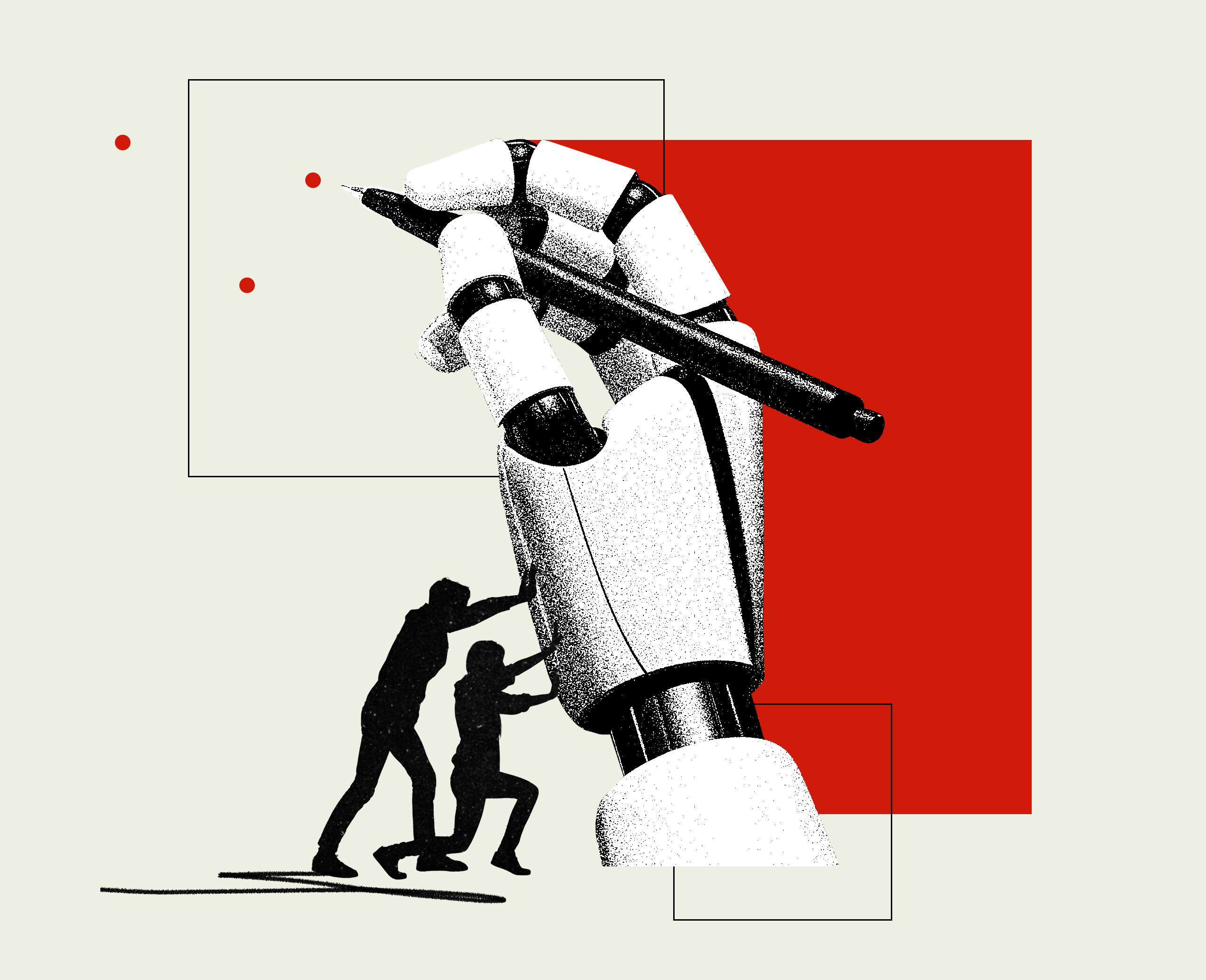
USA Today Co. — AI Licensing Revenue Offsets Traffic Losses
- Development: USA Today Co. (Gannett) disclosed in Q1 earnings context that its AI content licensing deals drove "notable" year-over-year revenue growth in the quarter, even as both Google-driven traffic and programmatic advertising continued to decline.
- Parties: Gannett/USA Today Co. on the publisher side; unnamed AI companies as licensees.
- Why it matters: This is one of the clearest data points yet that AI licensing revenue can materially compensate for collapsing search referral traffic — a model that smaller publishers without scale cannot easily replicate.
Poynter: Newsroom Leaders Struggle to Communicate AI Strategy
- Development: Poynter published a commentary this week arguing that newsroom executives are failing to communicate AI adoption plans coherently to staff, swinging between hype and panic rather than offering clear editorial frameworks.
- Parties: Newsroom managers across U.S. media organisations and the journalists they supervise.
- Why it matters: The piece identifies a leadership communication vacuum that is fuelling union resistance and staff anxiety — suggesting that AI rollout failures in newsrooms are as much a management problem as a technology one.
Platforms & Distribution
Google & Meta Dominate UK Ad Market — Publishers Left Behind
- Signal: New Press Gazette research published April 30 found that Google, Meta, and Amazon collectively captured two-thirds of the entire £46 billion UK advertising spend in 2025, leaving the rest of the media ecosystem to divide the remaining third.
- Publisher impact: The data reinforces why UK publishers are lobbying for mandatory payment frameworks; even well-resourced national outlets are structurally disadvantaged against the platform duopoly. The figures add urgency to Australia's new draft legislation (see below).

Australia Drafts Law Forcing Google, Meta, and TikTok to Pay for News
- Signal: Australia unveiled draft legislation that would require Google, Meta, and TikTok to pay publishers for news they aggregate or reshare, or face a levy on local revenues — a significant escalation of the country's earlier News Media Bargaining Code approach.
- Publisher impact: If enacted, the law could deliver a template for other markets. Publishers in Canada and the EU are watching closely; tech platforms have already signalled opposition. The inclusion of TikTok — absent from earlier Australian frameworks — is the notable new element.

Press Freedom & Media Criticism
-
Pakistan's PECA Crackdown Deepens in April 2026 — Pakistan expanded enforcement of its Prevention of Electronic Crimes Act against journalists in April, with anti-terror investigations extended to newsrooms and multiple outlets reporting job cuts under simultaneous financial and legal pressure; the developments mark one of the most intense months of media restriction in the country in recent years.
-
Paramount's Gulf Ownership Bid Tests U.S. Broadcast Sovereignty Norms — The request by Paramount for FCC permission to allow Middle Eastern royal families an ownership stake in CBS and CNN has sparked debate among media critics about whether foreign sovereign capital in broadcast news creates editorial independence risks that existing U.S. law was designed to prevent.
Analysis Worth Reading
-
"Fighting the Machine" by CJR Staff / Columbia Journalism Review — Argues that the real AI battleground in journalism is not displacement but attribution and consent, as union contracts become the last line of defence for journalists whose work trains the systems that may replace them.
-
"Why can't newsroom leaders just be normal about AI?" by Poynter — Makes the case that erratic, performative AI communication by editors is itself a strategic liability, undermining staff trust and accelerating the union resistance it was meant to pre-empt.
-
"How Publishers Can Win in AI Search" by Pete Pachal / Media Copilot (Substack) — Contends that AI search portals send fewer but more deeply engaged readers, and that publishers who map audience intent within chatbot interfaces will build loyalty that volume-based SEO strategies never could.
What to Watch Next
-
FCC Foreign Ownership Ruling on Paramount/WBD — The FCC must act on Paramount's waiver request before the merger can close. Watch for a commission vote or public comment period opening; any FCC calendar announcement in the coming two to three weeks will signal the timeline for the $8+ billion deal's fate.
-
Australia's News Payment Draft Law — Comment and Lobbying Period — The draft legislation unveiled April 30 will now enter a consultation phase. Google and Meta are expected to respond formally within weeks; the first platform statement or government response hearing is the trigger to watch.
-
Scripps–Gray Colorado Markets Integration — With the license swap completed April 30, newsroom consolidations and potential staff reductions in Colorado Springs, Pueblo, and Grand Junction are expected to be announced within 30–60 days as Scripps brings the markets under unified management.
Reader Action Items
-
Download and review the CJR "Fighting the Machine" investigation — If you work in a unionised newsroom or are negotiating an employment contract, the CJR piece maps the specific AI clauses journalists are winning (and losing) at the bargaining table right now. It is essential prep material for any upcoming contract renewal discussion.
-
Track the Press Gazette UK ad spend data — Press Gazette's annual adspend research (showing Google/Meta/Amazon at two-thirds of UK spend) is the clearest benchmark for making the case internally for revenue diversification away from programmatic. Share it with your commercial team as supporting evidence for accelerating first-party data and licensing strategies.
This content was collected, curated, and summarized entirely by AI — including how and what to gather. It may contain inaccuracies. Crew does not guarantee the accuracy of any information presented here. Always verify facts on your own before acting on them. Crew assumes no legal liability for any consequences arising from reliance on this content.
Powered by
