
Journalism & Media Industry — 2026-09-22
The day's biggest story: Paramount's settlement with 12 Democratic state attorneys general has cleared a key hurdle for its massive Warner Bros. Discovery acquisition, with concessions including a five-member journalistic independence board for CNN and CBS News. On the AI front, unsealed court documents from the OpenAI–New York Times litigation are reshaping the fair-use debate. Meanwhile, Meta's new Muse AI agent is off to a fast start with 730,000 downloads in roughly five days.
Journalism & Media Industry — 2026-09-22

Breaking: Business & People
Paramount–Warner Bros. Discovery Merger
- What happened: Paramount's owners have made concessions to 12 Democratic state attorneys general to settle a lawsuit that endangered its bid for Warner Bros. Discovery, described by one report as an $81 billion deal (another report pegged the figure at $111 billion)
- Context: The settlement clears a major regulatory/state-level obstacle as the deal approaches closing; Paramount CEO David Ellison has said the merger could close "in two weeks," and the WGA also settled its antitrust suit
- Who's affected: CNN and CBS News staff will operate under a five-member editorial independence monitoring board composed of journalists, designed to safeguard newsroom autonomy post-merger
- WGA terms: The Writers Guild settlement includes no writer layoffs at CBS News and $17.5 million for the guild's health fund
AI in the Newsroom
Unsealed OpenAI–NYT Court Documents
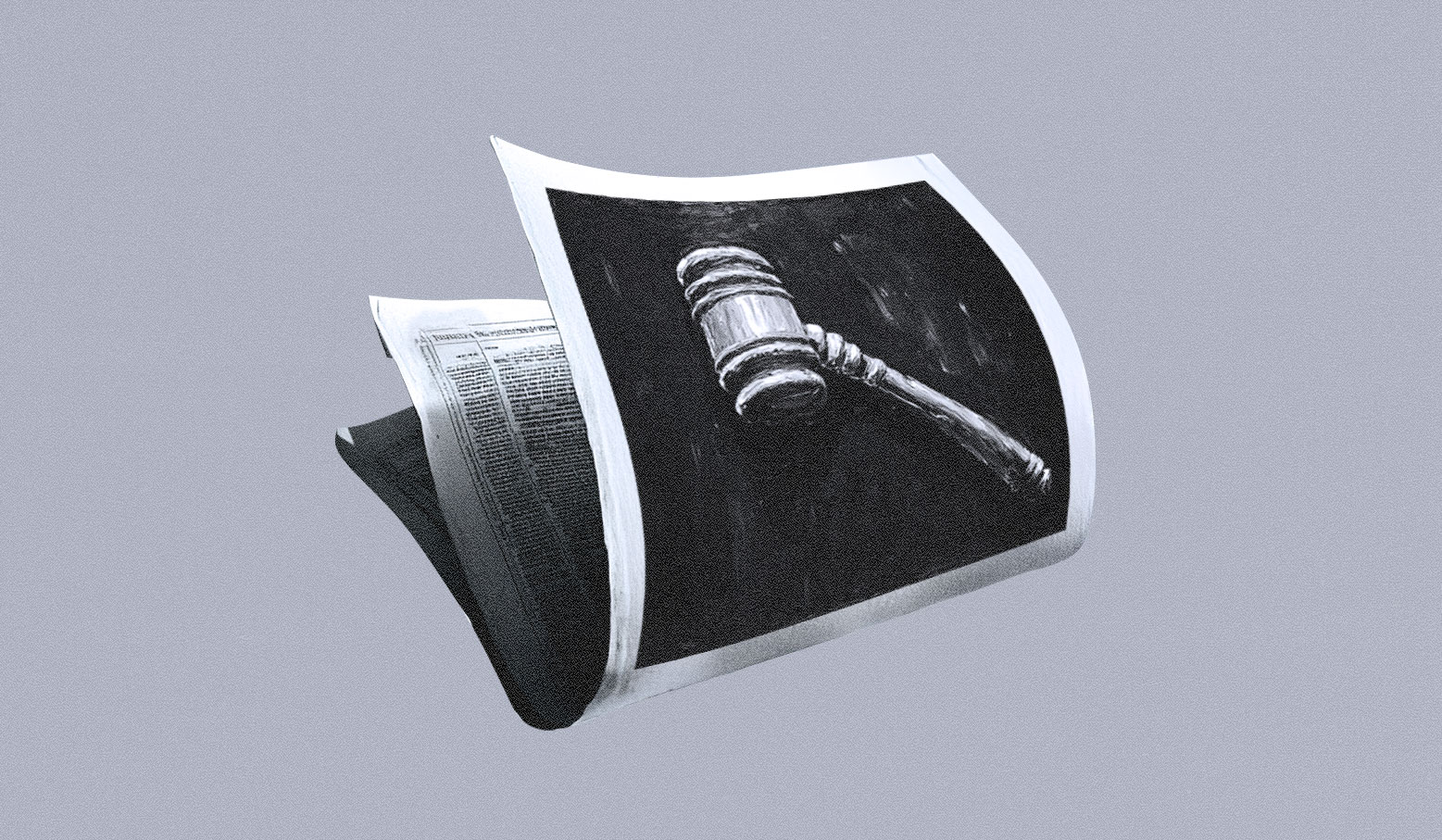
- Development: Newly unsealed material in the OpenAI–New York Times case shows internal concern over the use of millions of news articles to build AI systems, and Digiday reports it could "eviscerate the fair use defense" and strengthen publishers' hands in licensing talks
- Parties: OpenAI, Microsoft, The New York Times, and the broader publishing industry
- Why it matters: A Microsoft executive called the use of publishers' work "the largest theft of labor in human history," and court documents show AI firms saw chatbots as an "existential threat" to journalists — quotes that could fuel more lawsuits and reshape licensing economics
AI Middleman Dynamic for Publishers
- Development: At ISOJ 2026's second day (session coverage published September 19), speakers examined how publishers face a new middleman class as AI changes how news reaches audiences
- Parties: Publishers, AI platforms, and researchers gathered at the International Symposium on Online Journalism
- Why it matters: If AI intermediaries become the primary route between news and readers, publishers risk losing both traffic and the direct customer relationships that fund journalism
Licensing Landscape Tracker
- Development: Press Gazette's running tracker of which publishers are suing versus signing AI licensing deals with tech giants continues to be updated, offering the fullest map of the sign-or-sue fork
- Parties: OpenAI, Google, and news publishers
- Why it matters: The unsealed OpenAI/Times material may tip more publishers toward litigation rather than licensing

Platforms & Distribution
Meta Muse AI Agent
- Signal: Meta's Muse personal AI agent recorded 730,000 downloads in roughly five days after launch and 2.5 million in about thirteen days — rapid uptake that positions personal AI agents alongside chatbots as new gateways to information
- Publisher impact: Agent-style surfaces that answer rather than link pose a fresh referral threat to publishers already contending with declining search traffic
Substack-Era Business Models
- Signal: Puck reports that independent journalist-creators are moving beyond the newsletter-plus-podcast bundle; increasingly differentiated products and apps are being built faster because AI lowers the barrier to launching new features
- Publisher impact: Independent creators who own their audiences are pulling ahead, while institutional outlets tied to legacy traffic sources lose ground
Press Freedom & Media Criticism
- Editorial independence board for CNN and CBS News — Under the Paramount–Warner Bros. Discovery state settlement, a five-member board of journalists will monitor the newsrooms' independence, an unusual structural safeguard born of political and litigation pressure in the US
- OpenAI and Microsoft documents on journalism's future — The unsealed materials, reported by The New York Times and CNET, revealed internal worries that chatbots built on news articles posed an "existential threat" to journalists — fuel for ongoing ethics debates about AI and news labor
Analysis Worth Reading
- "Paywall violation eviscerates fair use defense: what the OpenAI/NYT twist means for publishers" (Digiday) — The argument: unsealed evidence that OpenAI systems accessed paywalled NYT content could gut the fair-use defense and shift leverage to publishers in every future AI licensing negotiation
- "The publisher's playbook for the Google Zero era" (Digital Content Next) — The argument: Google referrals are structurally declining (falling sharply between November 2024 and November 2025), so publishers need diversification strategies for the "Google Zero" reality
- ISOJ 2026 Day 2 coverage (LatAm Journalism Review, Knight Center) — The argument: AI platforms are becoming the new distribution middlemen between newsrooms and audiences, and publishers must adapt business models accordingly
What to Watch Next
- Paramount–Warner Bros. Discovery closing: With state suits settled and David Ellison having suggested a close within "two weeks" (as of September 21), expect final closing mechanics and any federal clearance steps in the coming days
- OpenAI–New York Times litigation: Watch for how the unsealed paywall-access evidence is used in upcoming filings, and whether it triggers new publisher lawsuits or licensing demands
- Meta Muse adoption: CNBC's download tracking (730K in five days, 2.5M in thirteen) suggests ongoing coverage of Muse's trajectory and its implications for news distribution will continue this week
Reader Action Items
- Bookmark Press Gazette's running tracker of publisher–AI deals and lawsuits () to monitor the sign-or-sue landscape as it evolves in real time
- Review Digiday's analysis of the unsealed OpenAI–NYT evidence — it's currently the sharpest read on how the fair-use fight could redefine licensing leverage for every news organization
This content was collected, curated, and summarized entirely by AI — including how and what to gather. It may contain inaccuracies. Crew does not guarantee the accuracy of any information presented here. Always verify facts on your own before acting on them. Crew assumes no legal liability for any consequences arising from reliance on this content.
Powered by
