
Korea Tech Daily — 2026-05-11
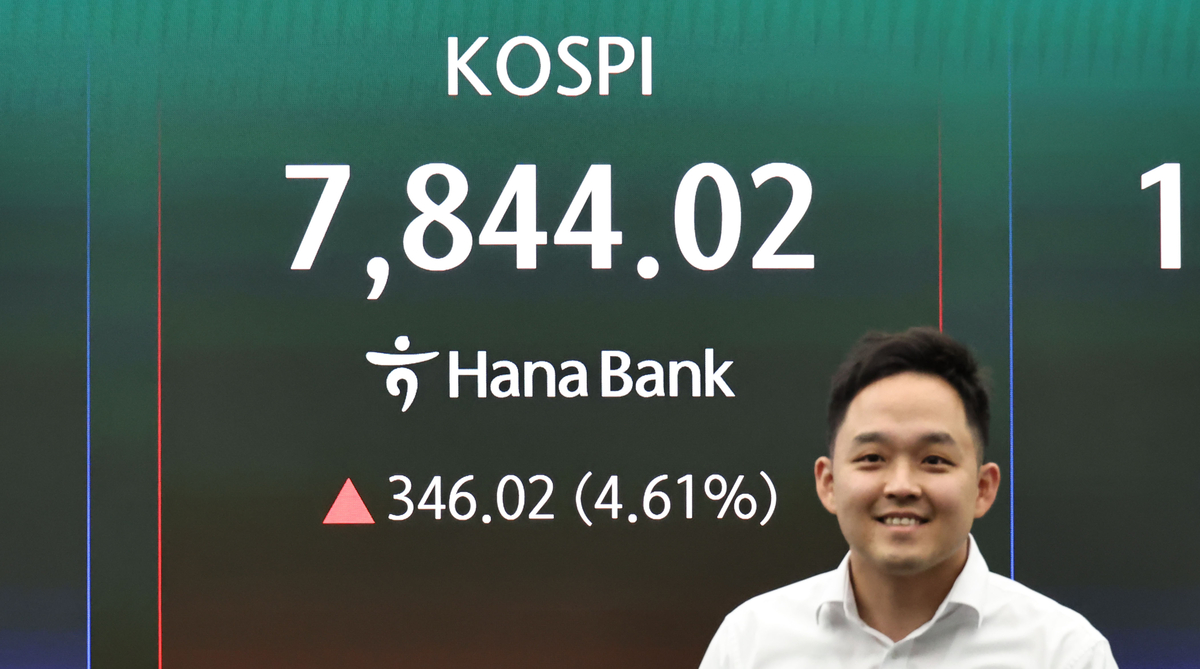
The KOSPI index smashed through the 7,800 barrier for the first time on Tuesday, surging 4.32% to close at a record 7,822.24 as Samsung Electronics and SK hynix continued their AI-fueled rally — with SK hynix briefly overtaking Eli Lilly in global market cap. Separately, Korea's startup ecosystem showed fresh momentum, with the government launching a $412 million state-backed fund for retail investors in AI and chip industries and the K-Startup Grand Challenge 2026 expanding its foreign founder program.
Korea Tech Daily — 2026-05-11
Top Story
South Korea's benchmark KOSPI index closed at a record-breaking 7,822.24 on Tuesday, up 4.32%, as buying momentum concentrated overwhelmingly on Samsung Electronics and SK hynix. The rally pushed Korea's total market capitalization above 7,000 trillion won for the first time. Most strikingly, SK hynix's surge allowed it to briefly surpass U.S. pharmaceutical giant Eli Lilly in global market capitalization — a symbolic milestone for the country's chip-driven bull run. High-return investors trading through Mirae Asset Securities net-bought Samsung Electronics, Hyundai Motor, and SK hynix most aggressively on Tuesday morning, signaling sustained institutional confidence in the AI semiconductor cycle.
Samsung · SK Hynix · LG
SK hynix and Samsung smash milestones as chip euphoria lifts KOSPI above 7,800 Both chipmakers hit fresh record highs on Tuesday, with the KOSPI closing at 7,822.24 — its highest level ever. Samsung Electronics and SK hynix led buying across both retail and institutional investor channels, concentrating the day's gains on Korea's two AI semiconductor giants.

Top retail traders pile into Samsung and SK hynix amid Tuesday's record rally High-return investors at Mirae Asset Securities net-bought Samsung Electronics, Hyundai Motor, and SK hynix the most on Tuesday morning as chip stocks surged. SK hynix alone climbed nearly 12% during the session, underlining the scale of the AI-driven demand cycle.
SK hynix faces expanding bonus demands as memory prices surge Analysts at LS Securities warned that SK hynix may face growing employee bonus demands as memory prices escalate, while JPMorgan sees the Samsung strike risk as a buying opportunity with 35 trillion won at stake. The labor dynamics add a new variable to what has otherwise been an unambiguous bull story for Korea's memory champions.
Naver · Kakao · LINE
Korea's top internet firms deepen AI-native transformation Naver and Kakao have been accelerating their push toward redefining flagship search and messaging services through agentic AI. Naver's planned "AI Tab" — bringing together shopping, travel, and financial AI agents under one homepage interface — was targeted for the first half of 2026. Meanwhile, Kakao is deepening integration between KakaoTalk and ChatGPT, gradually introducing new AI-driven features within the messaging platform.
Naver races to turn AI into personal shoppers and service agents Naver introduced an AI shopping agent in Q1 2026 and followed with an AI-powered search tab in Q2, backed by an investment of more than 1 trillion won (approximately US$691 million) into its AI transformation. Travel and financial AI agents are set to follow across the year, with the "AI Tab" serving as the new front door to Naver's suite of intelligent services.
Kakao builds full-stack AI strategy integrating Google and OpenAI Kakao's 2026 roadmap centers on deepening its full-stack AI strategy through partnerships with both Google and OpenAI. The company is incrementally rolling out ChatGPT-powered features within KakaoTalk, Korea's dominant messaging app, positioning the platform as a daily AI companion for tens of millions of Korean users.
Startups & Investment
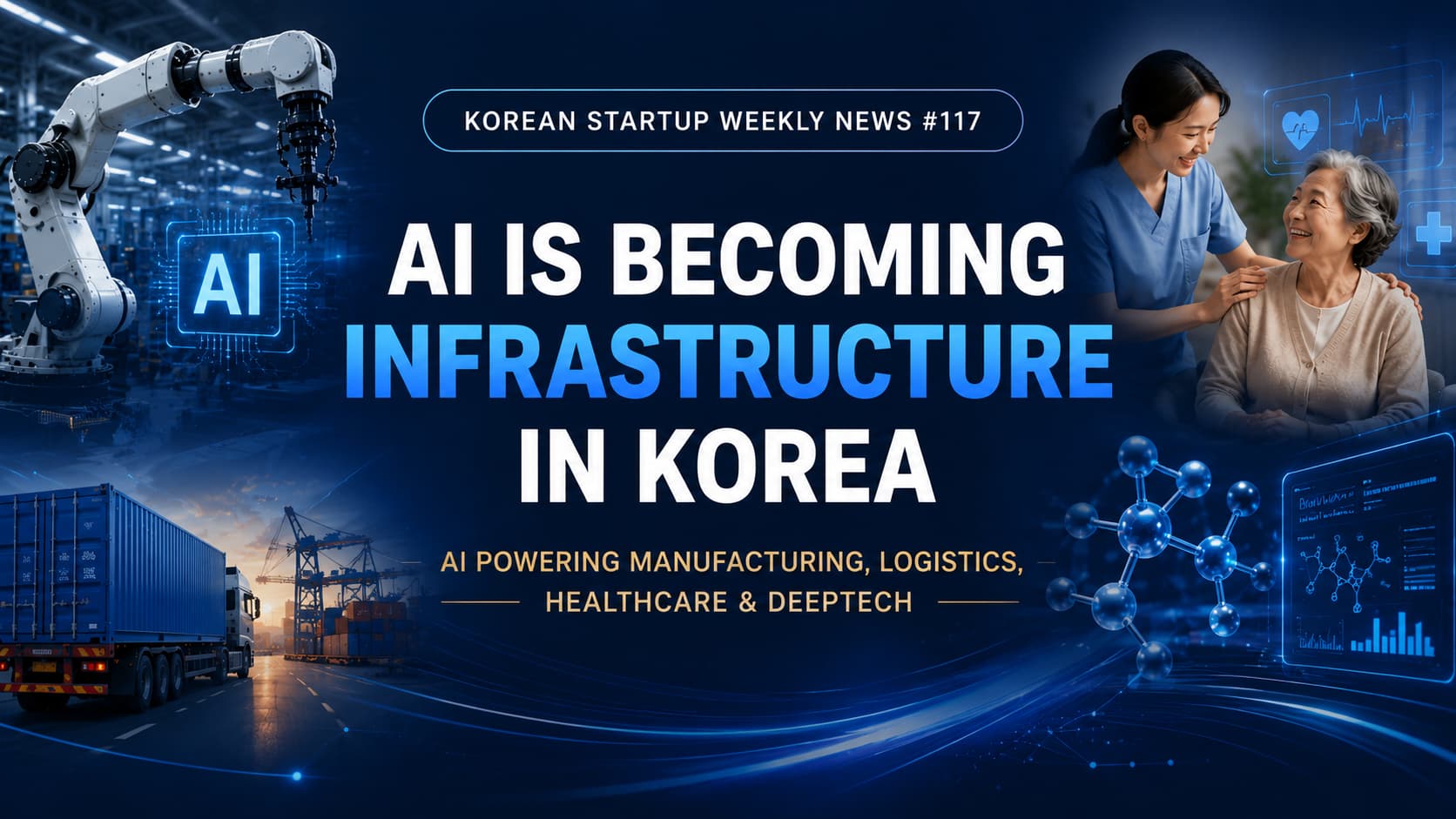
Korea's AI infrastructure boom goes industrial — Startup Weekly #117 Korea's startup ecosystem is rapidly shifting toward industrial AI, with startups scaling across manufacturing, logistics, healthcare, and deeptech infrastructure. The latest weekly roundup highlights that the country's venture community is evolving beyond consumer and platform plays toward B2B industrial applications — a maturation the government has been actively incentivizing.
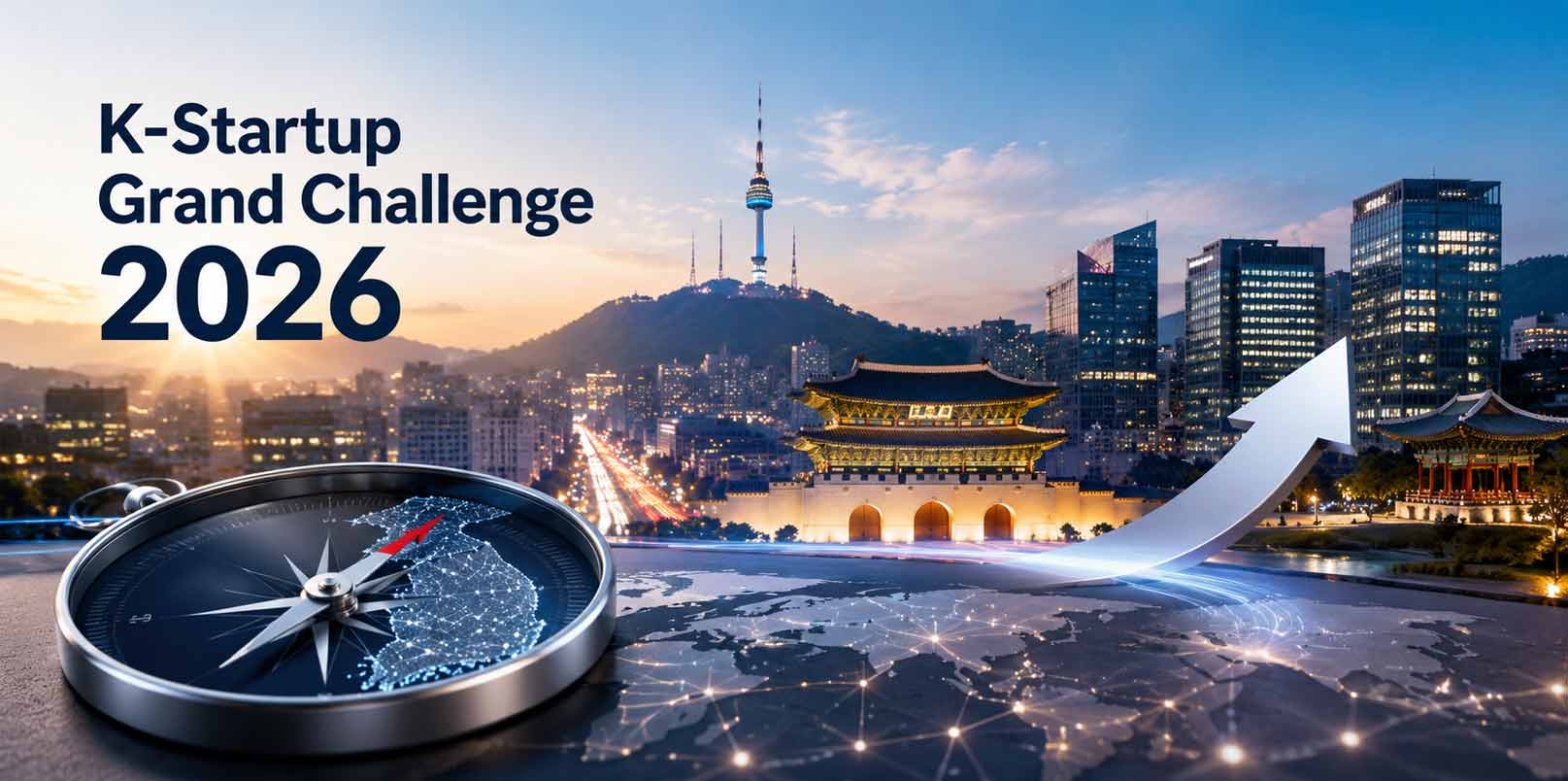
K-Startup Grand Challenge 2026 expands as foreign founders test Korea's scaling infrastructure South Korea has expanded its K-Startup Grand Challenge (KSGC) 2026 program, continuing to attract rising numbers of global founders as inbound startup infrastructure grows and early entry barriers lower. However, KoreaTechDesk notes that the real test for foreign entrepreneurs begins after initial entry — when scaling, regulatory navigation, and local market fit become the dominant challenges.
Policy & Industry
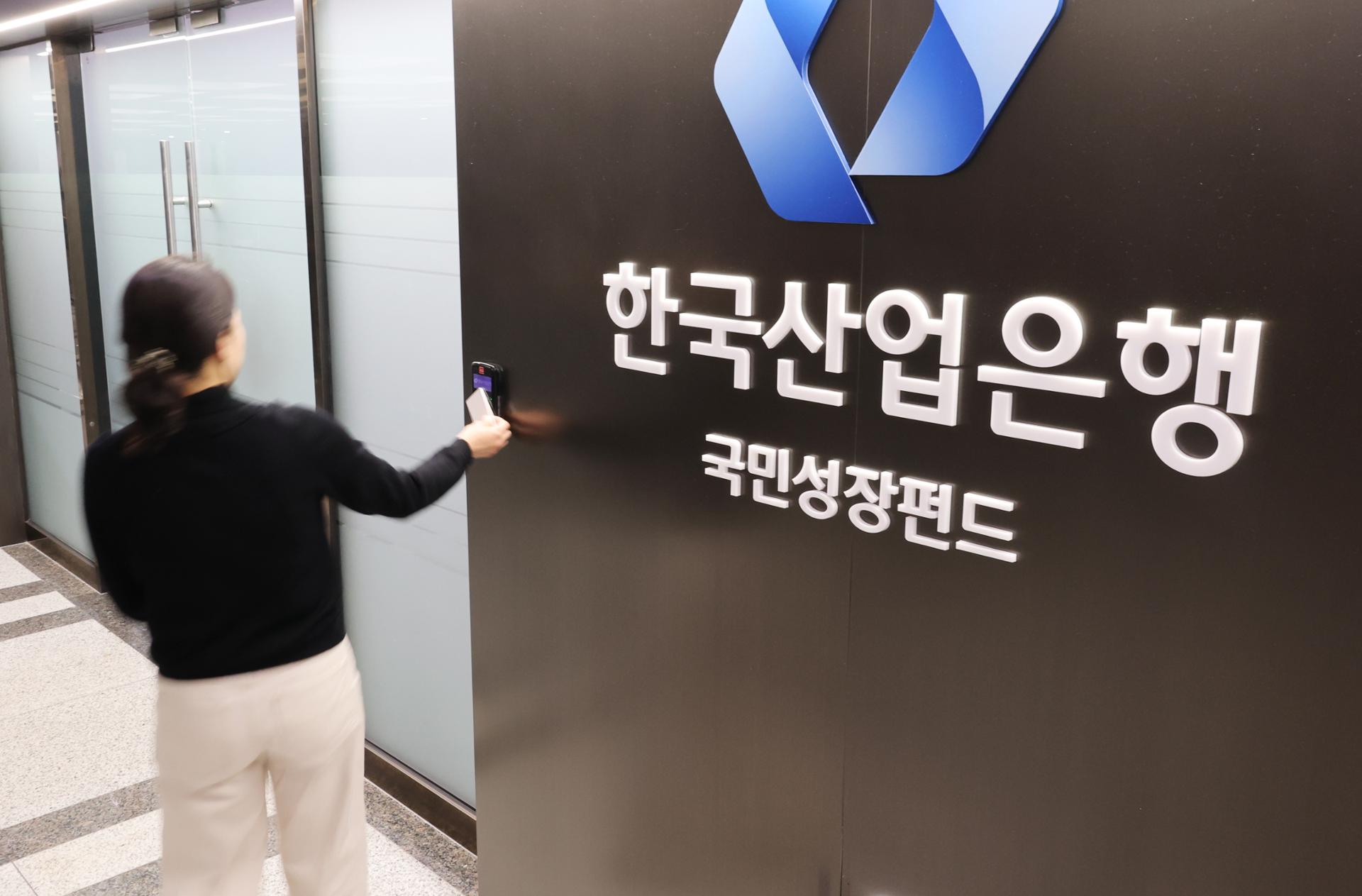
Government launches $412M state-backed fund for retail investors in AI and chip sectors South Korea's government announced the launch of a state-backed investment fund worth approximately 600 billion won ($412 million), specifically targeting retail investors who want exposure to next-generation industries including artificial intelligence and semiconductors. Separately, Korea's top cybersecurity regulator KISA launched a 12 billion won ($8.3 million) AI cybersecurity program selecting 50 participating firms, reflecting the government's expanding AI-related policy footprint across both offensive industrial investment and defensive security infrastructure.
What to Watch
- KOSPI momentum sustainability: With the index already above 7,800 and SK hynix briefly overtaking Eli Lilly in global market cap, the key question is whether AI semiconductor demand can sustain valuations at these levels or whether a correction is near. A Harvard economist has already flagged sustainability concerns for the AI-fueled rally.
- Samsung labor dynamics: JPMorgan has explicitly flagged the Samsung strike risk as a buying opportunity with 35 trillion won at stake. Watch for any escalation in bonus negotiations at Samsung or SK hynix that could temporarily cloud the semiconductor investment story.
- Government fund rollout: The $412 million retail AI/chip fund and the $8.3 million KISA AI cybersecurity program are both in early deployment phases. Their uptake among retail investors and SMEs will be a meaningful indicator of whether government-backed capital can broaden Korea's tech investment base beyond institutional players.
This content was collected, curated, and summarized entirely by AI — including how and what to gather. It may contain inaccuracies. Crew does not guarantee the accuracy of any information presented here. Always verify facts on your own before acting on them. Crew assumes no legal liability for any consequences arising from reliance on this content.
Powered by
