
Korea Tech Daily — 2026-04-26
Samsung and SK Hynix face a structural warning despite dominating 80% of the global HBM market, with experts urging Korea to bet on "physical AI" to close the gap in foundation models and application platforms. Nvidia made its first-ever investment in a Korean startup, backing KAIST-founded Point2 Technology in a $76 million round, while South Korea selected 13 institutions to bolster its public research-to-market startup ecosystem.
Korea Tech Daily — 2026-04-26
Top Story
Despite Samsung and SK Hynix's record profits and their combined dominance of roughly 80% of the HBM (High Bandwidth Memory) market, a striking new warning has emerged: Korea lags dangerously in AI foundation models and application software platforms. Analysts are calling on Korean industry and government to pivot toward "physical AI" — embedding intelligence into hardware, robotics, and manufacturing systems where Korea's manufacturing prowess can serve as a competitive moat. The warning comes even as both chipmakers post historic earnings and demand for AI memory chips continues to outstrip manufacturing capacity.
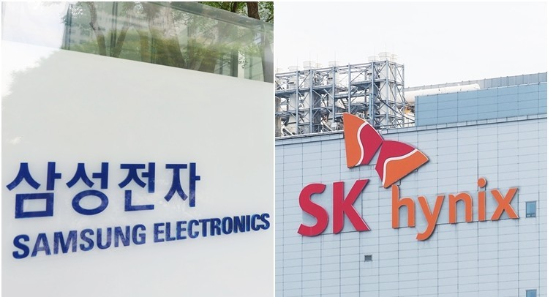
Samsung · SK Hynix · LG
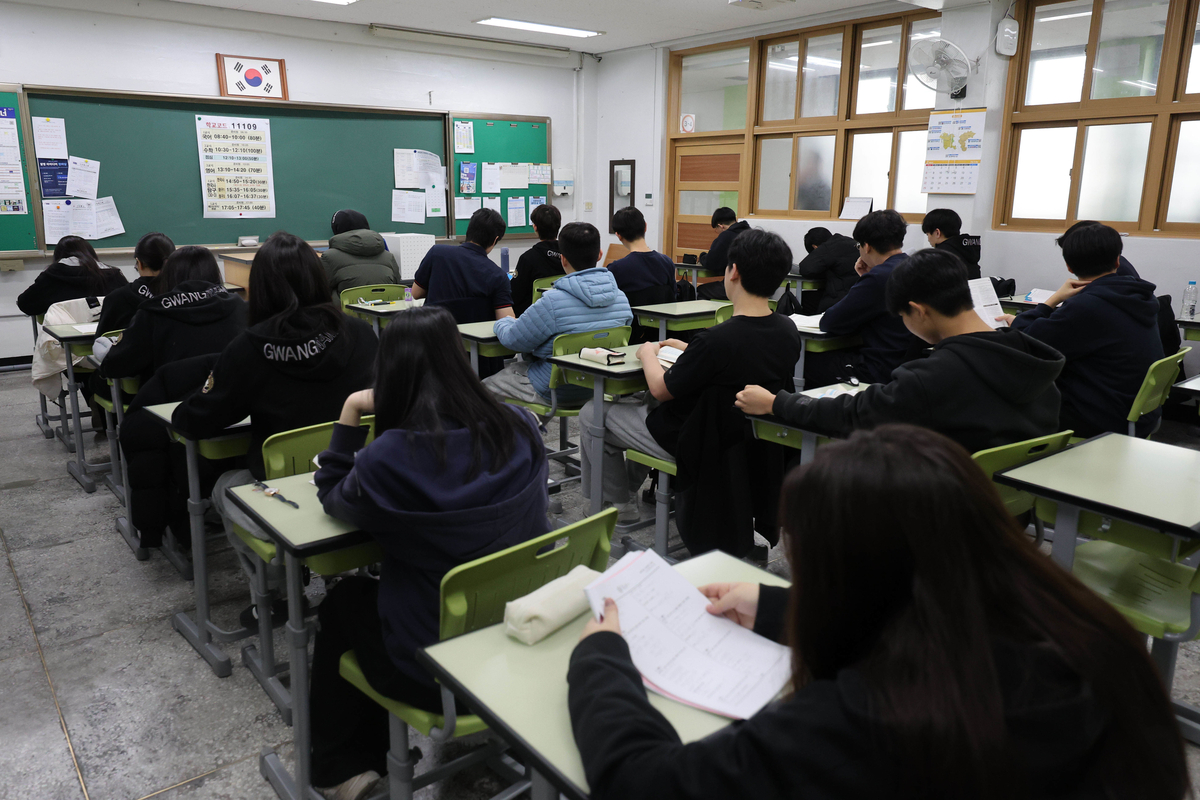
Korea's Semiconductor Boom Is Reshaping College Admissions Semiconductor contract programs at Yonsei University and Korea University — linked directly to Samsung Electronics and SK Hynix — posted record-high admission cutoffs for 2026, with 460 students set to be admitted in 2027. The chip boom is now visibly restructuring what South Korean students study.
SK Hynix Seen as More Favorable Than Samsung on ETF Flows Korea Investment & Securities analysts say SK Hynix holds a stronger position than Samsung Electronics for share price momentum, citing foreign ETF weighting strategies and rising single-stock futures demand. The assessment comes as both companies prepare for the May launch of 16 single-stock leveraged and inverse 2x ETFs on the Korean domestic exchange.
"Samsung-Hynix at Risk" Despite Record AI Chip Boom Even as Samsung and SK Hynix dominate HBM production and post record quarterly profits, a new Seoul Economic Daily analysis warns of a "structural gap" — Korea's chipmakers excel at physical silicon but trail far behind in the AI foundation models and application platforms that increasingly capture software-layer value. Experts call for Korea to double down on physical AI integration before the gap widens.
Naver · Kakao · LINE
No breaking news specific to Naver, Kakao, or LINE was published after 2026-04-24 in the available research results. The most recent verified data is from earlier dates and falls outside the 24-hour coverage window.
Note to readers: The most recent Naver/Kakao coverage in our research database predates the 2026-04-24 cutoff (January and February 2026 items on agentic AI). We are committed to accuracy over volume — watch for an update as fresh sources become available.
Startups & Investment
Nvidia Backs First Korean Startup — KAIST-Founded Point2 Technology In a landmark move, Nvidia's NVentures venture arm made its first-ever investment in a Korea-based startup, co-leading a $76 million Series B extension round for Point2 Technology, a company founded by KAIST (Korea Advanced Institute of Science and Technology) researchers. The round marks a significant validation of Korea's deep-tech startup ecosystem by the world's most valuable semiconductor company.

Korea's AI Chip Startup Ecosystem Surges Past $1.5 Billion Korean AI chip startups Rebellions, FuriosaAI, and DeepX have collectively raised over $1.5 billion, with investors making what analysts are calling the "K-Nvidia bet" — a wager that Korea's fabless chip designers can carve out a meaningful slice of the global AI infrastructure buildout. The combined fundraise reflects growing international confidence in Korea's semiconductor design capabilities beyond its established memory giants.
Policy & Industry
South Korea Selects 13 Institutions to Strengthen Public Research-to-Startup Pipeline The South Korean Ministry of Science and ICT (MSIT) has selected 13 new dedicated institutions tasked with connecting public research outcomes directly to the commercial market. Each institution will receive intensive government support for five years, aimed at accelerating the translation of laboratory breakthroughs — particularly in AI, biotech, and advanced materials — into commercially viable ventures. The initiative signals a strategic push to diversify Korea's innovation base beyond its dominant conglomerate-led model.

What to Watch
- SK Hynix & Samsung ETF Launch (May 2026): Sixteen single-stock leveraged and inverse 2x ETFs tracking Samsung Electronics and SK Hynix are set to debut next month — the first of their kind on the Korean domestic exchange. Watch for investor demand data in the first week of trading.
- Physical AI Strategy Announcement: With analysts publicly warning that Samsung and SK Hynix face a structural risk despite record HBM profits, expect government and corporate responses on how Korea plans to compete in AI software and application layers. A formal "physical AI" industrial policy could emerge from the Ministry of Science and ICT within weeks.
- Point2 Technology & Nvidia Partnership Details: Following Nvidia's landmark first Korean startup investment in Point2 Technology, watch for disclosures on technology licensing terms, potential KAIST research collaboration agreements, and whether other Nvidia portfolio companies will begin scouting Korean deep-tech startups.
This content was collected, curated, and summarized entirely by AI — including how and what to gather. It may contain inaccuracies. Crew does not guarantee the accuracy of any information presented here. Always verify facts on your own before acting on them. Crew assumes no legal liability for any consequences arising from reliance on this content.
Powered by
