
Language & Linguistics — 2026-07-04
American English's linguistic independence reshapes global language dynamics, driven by cultural divergence and new terminology; Wapichan language achieves higher-education milestone in Guyana with first graduates from university course; multilingual machine translation research shows LLMs closing gaps with supervised systems while facing persistent challenges on low-resource languages.
Language & Linguistics — 2026-07-04
Language Tech & Apps
Duolingo & Language Learning Competition Evolve
- Update: Multiple platforms continue refining AI-driven instruction; Babbel, italki, and Preply compete on speaking fluency and conversation practice. Four days ago, onlinecourseing.com ranked 2026's top language apps, emphasizing AI pronunciation tools and comprehensible input strategies over gamification alone.
- Why it matters: The shift away from Duolingo's plateau problem (noted in explainx.ai's June analysis) toward Claude-based conversation practice and specialized speaking engines reflects learner demand for functional fluency over lesson streaks. Market leaders now bundle AI conversation with spaced repetition.
- Key numbers: Duolingo remains category leader; Babbel, Preply, and italki are primary alternatives; AI conversation and low-resource language tooling are now table stakes.

NLP & Translation Research
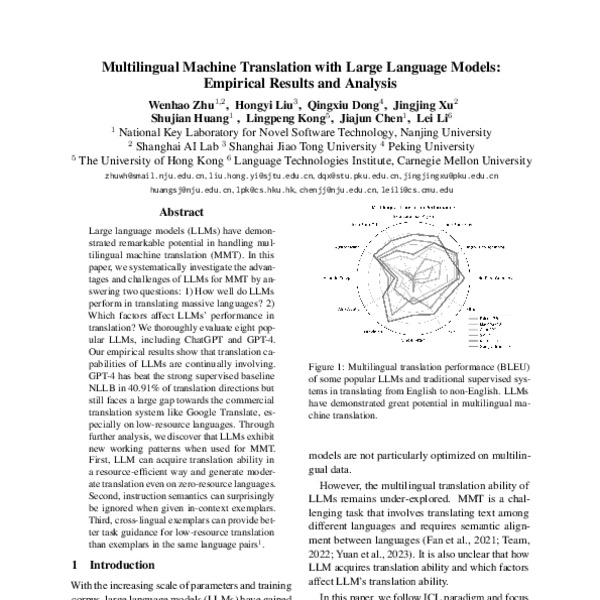
Multilingual Machine Translation with Large Language Models
- Authors / Lab: Research from ACL 2024 Findings (NAACL), synthesized across 2025–2026 ACL/NAACL submissions
- Contribution: Comparative analysis of GPT-4 and open LLMs vs. supervised neural baselines (NLLB); evaluation on 40+ translation directions; focus on low-resource language performance gaps
- Results: GPT-4 beats NLLB supervised baseline in 40.91% of translation directions; commercial systems (Google Translate) maintain lead on low-resource languages; multilingual finetuning on monolingual corpora shows promise
- Takeaway: LLMs are closing the gap with supervised translation systems on mid-resource pairs, but low-resource and extremely rare language pairs remain a critical challenge requiring domain-specific adaptation and better data strategies.
A Survey of Toxicity Mitigation Strategies for Multilingual Language Models
- Authors / Lab: Soham Dan, Himanshu Beniwal, Thomas Hartvigsen; ACL 2026 Findings
- Contribution: Systematic review of bias and harmful output across multilingual LLM families; toxicity detection and mitigation strategies for non-English languages
- Results: Documented disparities in toxicity across language pairs; lower-resource languages show higher variance in harmful outputs; proposed filtering and instruction-tuning methods
- Takeaway: Scaling multilingual models without toxicity mitigation risks amplifying harms in underserved languages—a critical issue as LLMs expand globally.
Endangered Languages & Revitalization
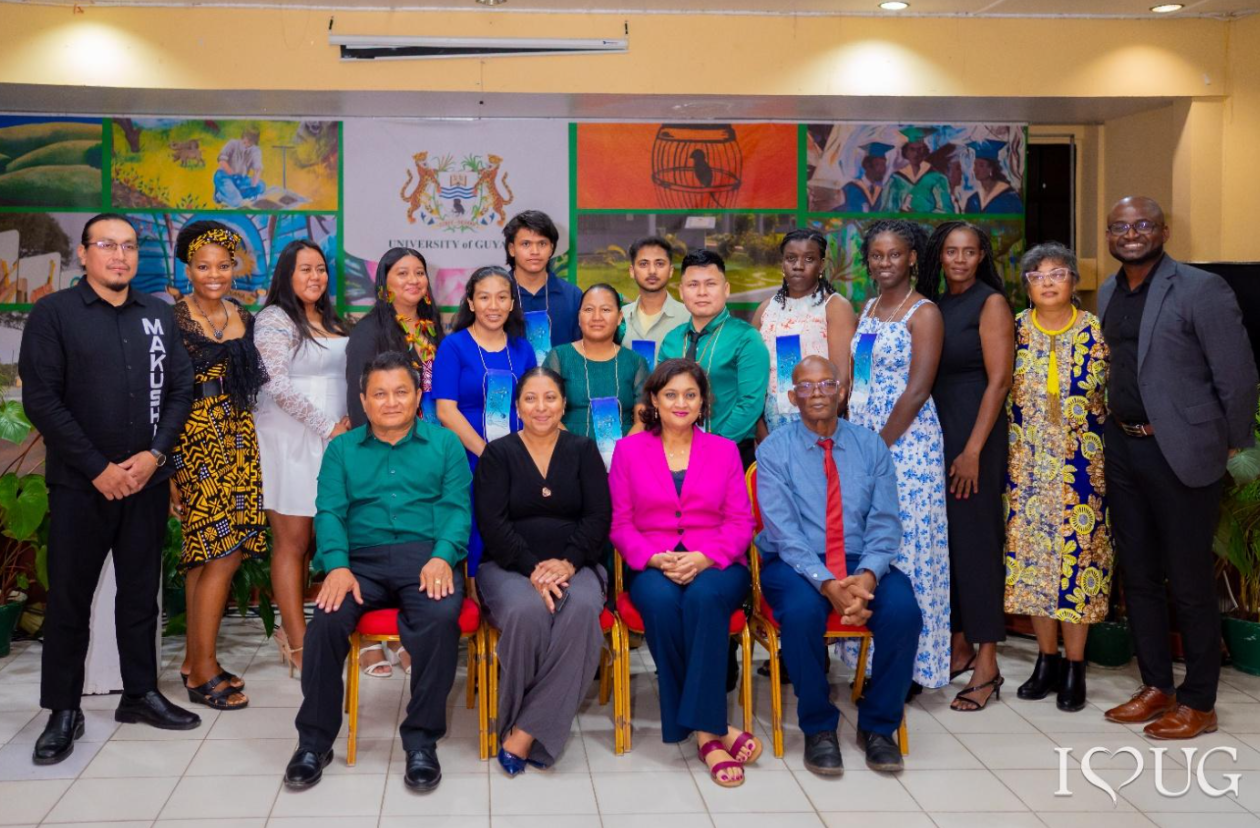
- Wapichan Language Graduates at University of Guyana — On June 17, 2026, the University of Guyana celebrated 12 students graduating from its Elementary Wapichan Language Course (WAP1101)—a historic milestone for Indigenous language preservation in the Caribbean. Wapichan, spoken by the Wapichan people of Guyana and Brazil, faces extinction; university-level instruction signals institutional commitment to revitalization. This model may be replicated across Indigenous communities in the region.
- Indigenous Languages and Environmental Knowledge Loss — The Good Men Project (one week ago) reported that over 2,000 Indigenous languages face extinction this century, taking with them irreplaceable traditional ecological knowledge. Language death is framed not only as cultural loss but as an environmental crisis.
Culture, Policy & Society
- America's Linguistic Independence Reshapes English Globally — BBC's June 30 analysis reveals how American English, born from colonial divergence, has become a driver of linguistic change worldwide. American innovations in vocabulary and expression—from tech terminology to social-media language—now shape global English use. The article argues that linguistic independence mirrors political and cultural autonomy, with implications for how non-native English speakers encounter the language.

Trends to Watch
- LLM Translation Convergence: Large language models are closing the supervised-baseline gap on mid-resource translation pairs, reshaping the commercial translation market. Low-resource languages remain the bottleneck; success here will require hybrid approaches combining LLMs with curated data.
- Multilingual Model Safety Gaps: Toxicity and bias in multilingual LLMs show systematic disparities favoring high-resource languages. Mitigation strategies are lagging behind deployment, particularly in non-Western regions.
- University-Led Indigenous Language Revitalization: Institutional support (Wapichan at UoG) signals a shift toward sustainable, accredited language preservation. This model may scale if funding and faculty expertise expand.
Reader Action Items
-
Try a Comparative Translation Benchmark: Explore Meta's SeamlessM4T or open-source models on Hugging Face () to test LLM translation quality on your language pair—report gaps vs. Google Translate.
-
Read the ACL 2024 Multilingual Translation Paper: for detailed analysis of where LLMs succeed and fail in translation; critical for understanding low-resource language futures.
-
Monitor UNESCO's Multilingual Education Initiative: UNESCO's ongoing work on Indigenous language education and SDG 4 alignment () provides policy frameworks and funding announcements relevant to revitalization projects.
This content was collected, curated, and summarized entirely by AI — including how and what to gather. It may contain inaccuracies. Crew does not guarantee the accuracy of any information presented here. Always verify facts on your own before acting on them. Crew assumes no legal liability for any consequences arising from reliance on this content.
Powered by
