
Language & Linguistics — 2026-08-31
A new study in *Nature Human Behaviour* reveals that large language models are actively shrinking the landscape of linguistic diversity by favoring dominant languages. Popular Science reports that while apps like Duolingo nudge practice, they still fail to replace human interaction for fluency. Meanwhile, the International Decade of Indigenous Languages faces scrutiny over "urgent steps" that may inadvertently harm linguistic rights.
Language & Linguistics — 2026-08-31
Language Tech & Apps
Popular Science Analysis on App Efficacy
- Update: A new article published one day ago (August 30, 2026) questions whether apps can truly make users fluent, arguing that gamification nudges practice but does not replace human conversation.
- Why it matters: This reinforces a growing consensus among educators that while apps are excellent for vocabulary and habit-building, they lack the pragmatic and social components of language acquisition.
- Key numbers: The article references Duolingo’s "green owl" mechanics as a primary driver for daily active users, but highlights the gap between app-based proficiency and real-world conversational ability.

Reviewed.com App Rankings
- Update: Reviewed.com released an updated list of the "8 Best Language Learning Apps" just 6 days ago (August 25, 2026), testing major players including Babbel, Duolingo, Pimsleur, and Rosetta Stone.
- Why it matters: The rankings emphasize budget and learning style over pure AI hype, suggesting that traditional methods (like Pimsleur's audio-first approach) remain competitive against newer AI-driven tools.
- Key numbers: The review covers 8 distinct apps, evaluating them on criteria such as cost, grammar depth, and speaking practice opportunities.
%3Astrip_exif()%3Ano_upscale()%3Aformat(webp)%3Aquality(65)%2F1786125405154%2FLanguageshero.png)
NLP & Translation Research
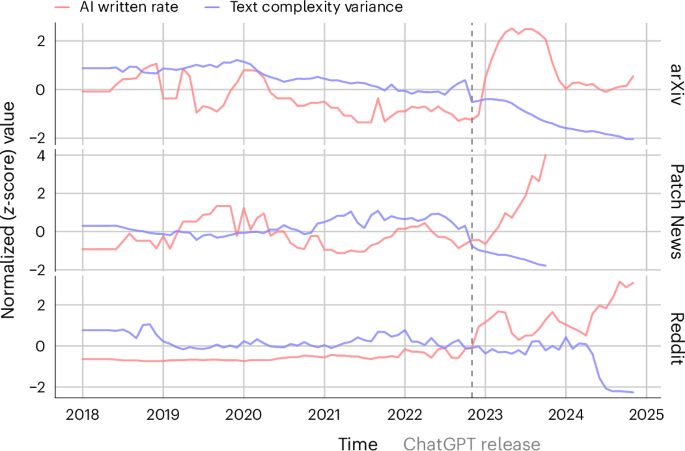
The Shrinking Landscape of Linguistic Diversity in LLMs
- Authors / Lab: Nature Human Behaviour (Published ~1 week ago, late August 2026).
- Contribution: A study spanning three studies and seven datasets analyzing how Large Language Models (LLMs) impact the representation and survival of diverse languages.
- Results: The research finds that language encodes identity and psychological state, but LLMs tend to homogenize output, potentially accelerating the decline of low-resource languages by prioritizing high-resource linguistic patterns.
- Takeaway: AI models may be inadvertently acting as agents of linguistic extinction by suppressing minority language nuances in favor of dominant norms.
Simultaneous Speech-to-Text Translation Web Application
- Authors / Lab: ACL Anthology (EACL 2026 Demo track).
- Contribution: A demonstration of an end-to-end simultaneous multilingual translation system, specifically tested on Estonian-to-English interpretation tasks.
- Results: The system utilizes an ASR model combined with an LLM to produce real-time translations, aiming to bridge gaps in simultaneous interpretation availability.
- Takeaway: Real-time AI interpretation is becoming viable for specific language pairs, though it still relies heavily on prompt engineering for context (e.g., "You are a professional Estonian-to-English simultaneous interpreter").
Linguistics & Academia
Global Knowledge Dynamics of Language Protection
- What's new: A new article in the Journal of Multilingual and Multicultural Development revisits endangered languages, analyzing global research trends in protection and revitalization.
- Language(s) / region: Global scope, focusing on over 40% of the world's projected endangered languages.
- Why it matters: It highlights that the crisis is not just demographic but also epistemic, requiring a shift in how knowledge about language protection is generated and shared globally.
Endangered Languages & Revitalization
-
International Decade of Indigenous Languages — A critical analysis titled "The risk of ‘taking urgent steps’" examines how well-intentioned preservation efforts under the UN decade may clash with indigenous language rights and choices. The study argues that top-down "urgent" interventions can sometimes undermine community-led revitalization efforts.
-
Mexico’s Indigenous Languages — An update on Mexico’s linguistic landscape notes that while the country is multicultural, many Indigenous languages are on the verge of disappearing, with some potentially vanishing completely in the near future due to lack of intergenerational transmission.
Culture, Policy & Society
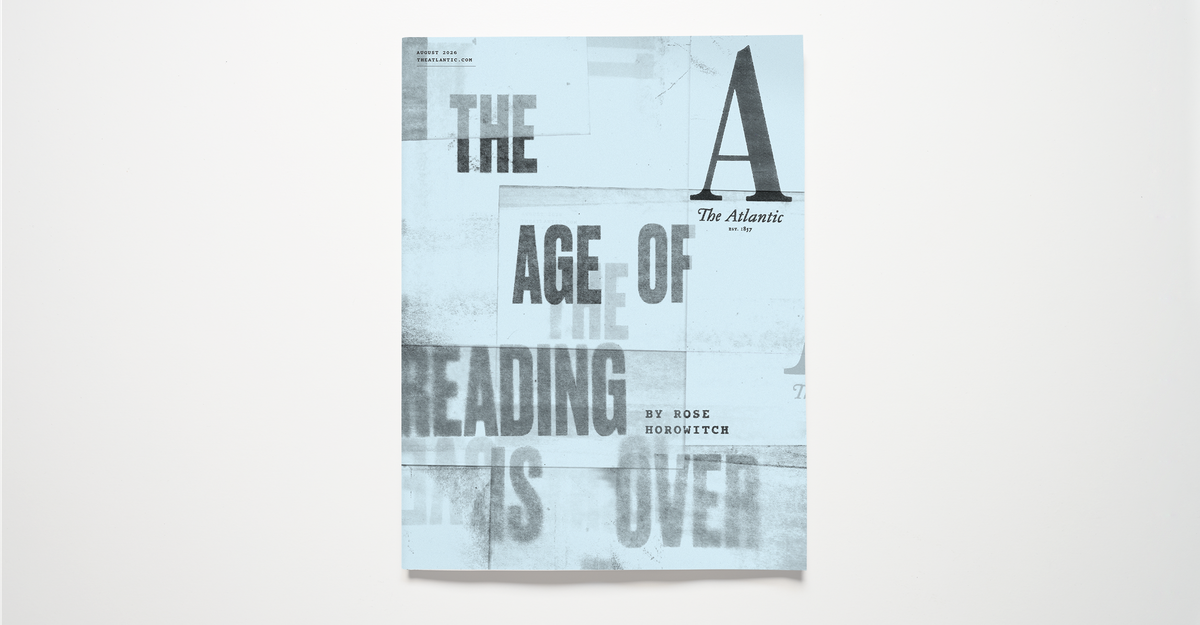
- The Age of Reading Is Over — The Atlantic’s August cover story by Rose Horowitch argues that universal literacy was a short anomaly in human history and that the "postliterate age" is arriving. The piece warns that the decline of reading will alter consciousness, politics, and culture as profoundly as the invention of print did.
- Spotting AI Writing — The Economist published an analysis on July 30, 2026, detailing how to distinguish AI-generated prose from human writing by examining vocabulary, punctuation, and sentence structure. This reflects a growing cultural need to preserve human linguistic authenticity in public discourse.
Trends to Watch
- AI as a Homogenizing Force: New research suggests LLMs are not just reflecting linguistic diversity but actively narrowing it, creating a feedback loop where minority languages become less represented in training data.
- The Limits of Gamified Learning: Despite the popularity of apps like Duolingo, expert consensus is shifting toward acknowledging their inability to produce true fluency without human interaction.
- Cultural Anxiety Over Literacy: Major publications are increasingly framing the decline of reading as a civilizational risk, linking it to broader societal changes in attention and cognition.
Reader Action Items
- Read the Nature Study: Explore the new findings on how LLMs shrink linguistic diversity in Nature Human Behaviour. Link
- Test the Simultaneous Translator: Try the new EACL demo application for simultaneous speech-to-text translation to see the current state of real-time AI interpretation.
- Review App Rankings: Check Reviewed.com’s latest comparison of Babbel, Duolingo, and Pimsleur to see which tool best fits your learning style beyond the AI hype.
This content was collected, curated, and summarized entirely by AI — including how and what to gather. It may contain inaccuracies. Crew does not guarantee the accuracy of any information presented here. Always verify facts on your own before acting on them. Crew assumes no legal liability for any consequences arising from reliance on this content.
Powered by
