
Language & Linguistics — 2026-05-09
Duolingo's Q1 2026 earnings reveal a company at a crossroads: revenue hit $291.97 million but shares have fallen nearly 80% in the past year as its AI "investment year" pressures margins. On the research front, a BU linguist's new book documenting Ende — a Papua New Guinea language with fewer than 1,000 speakers — marks a milestone in fieldwork-driven preservation. And a Guardian op-ed published today by novelist Diego Marani sounds a cultural alarm worth watching: AI may soon eliminate language barriers entirely, but at the cost of the curiosity and intimacy that make cross-cultural communication meaningful.
Language & Linguistics — 2026-05-09
Language Tech & Apps
Duolingo — Q1 2026 Earnings & "Investment Year" Strategy
- Update: Duolingo reported Q1 2026 revenue of $291.97 million and net income of $43.46 million, with EPS rising year-over-year. Management simultaneously declared 2026 an "investment year," prioritizing AI infrastructure and new subjects (math, music) over short-term margin expansion. The company is shifting monetization away from ads toward AI-powered feature unlocks.
- Why it matters: The strategic pivot signals that Duolingo is betting its future on AI-driven personalization rather than ad revenue — a high-stakes wager that has rattled investors even as fundamentals remain solid. The tension between user growth and profitability will define how language-learning apps compete through the rest of the decade.
- Key numbers: Revenue $291.97M (Q1 2026); shares down ~80% over the past year; "investment year" guidance in effect for full 2026.

Duolingo — AI Playbook & New Subjects
- Update: Alongside earnings, analysts outlined Duolingo's 2026 growth playbook: leaning heavily on new subject areas and broader AI feature access. Early 2026 shows margin pressure as the company front-loads AI investment, with monetization expected to follow as features mature.
- Why it matters: The bet on AI tutors and non-language subjects (math, music) represents a fundamental expansion of Duolingo's identity — from language app to general learning platform. If successful, it could justify the margin pain; if not, it raises questions about whether a language-focused moat still exists.
- Key numbers: Margin pressure flagged for early 2026; AI feature monetization shift ongoing.
NLP & Translation Research
No papers with confirmed post-2026-05-02 submission or publication dates were returned in research results for this section. The ACL Anthology and arXiv results retrieved were either from 2024–2025 or lacked verifiable fresh dates. In accordance with freshness rules, this section is omitted rather than padded with stale content.
Note to readers: The arXiv cs.CL new-submissions page was accessed but screenshot extraction was incomplete. For the latest computational linguistics preprints this week, check directly.
Linguistics & Academia
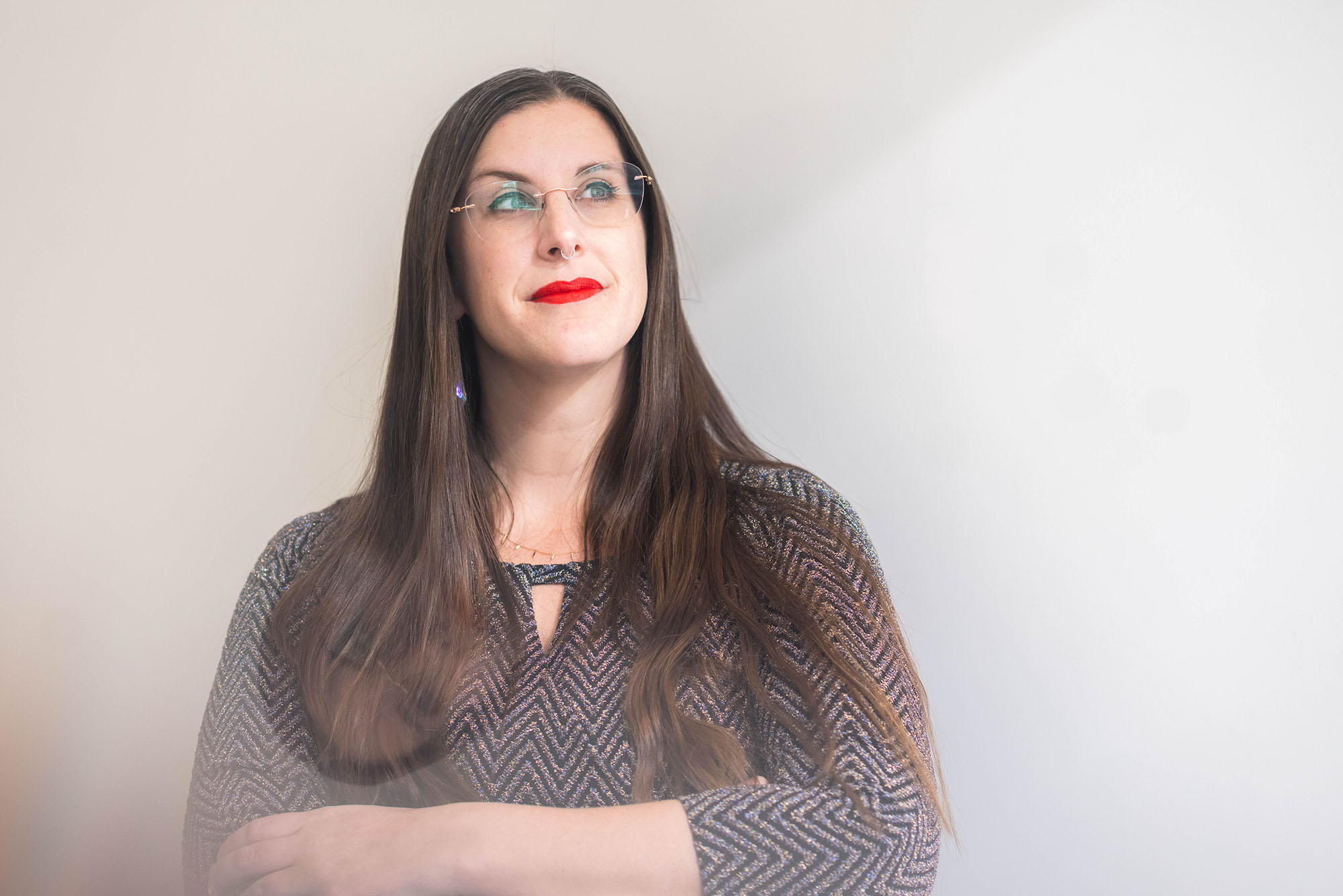
BU Linguist Documents Ende — A Papua New Guinea Language with Under 1,000 Speakers
- What's new: Boston University assistant professor of linguistics Kate Lindsey has published a new book sharing stories and songs in Ende, a language spoken by fewer than 1,000 people in Papua New Guinea's South Fly District. The book is the culmination of years of fieldwork documenting the language.
- Language(s) / region: Ende language, South Fly District, Papua New Guinea.
- Why it matters: Documentary linguistics projects like this one create the only permanent record for languages at risk of disappearing within a generation. Publishing stories and songs — not just grammars — makes the record accessible to community members and diaspora, increasing the chances of intergenerational transmission.
Endangered Languages & Revitalization
-
Ende (Papua New Guinea) — BU linguist Kate Lindsey's new book documents stories and songs in Ende, spoken by fewer than 1,000 people in Papua New Guinea's South Fly District. By going beyond grammar documentation to capture narrative and music, the project provides a culturally rich archive that communities can actually use for teaching and revitalization.
-
Indigenous languages & AI tools — A Prism Reports feature (published February 2026, included here as background context) profiled Michael Running Wolf, who co-created an AI-powered program to help Indigenous communities learn and preserve their languages. While outside the strict 7-day window, the BU story this week echoes an accelerating pattern: linguists and technologists are converging on endangered language documentation with new urgency. Watch for more institutional partnerships in this space through 2026.
Culture, Policy & Society
- "AI will erase language barriers — and our curiosity with them" — The Guardian (published today, May 9, 2026). Novelist and polyglot Diego Marani argues in a Guardian op-ed that while AI interpretation is poised to make seamless real-time translation universal, something irreplaceable will be lost: the human drive to learn another language as an act of cultural intimacy and curiosity. Marani contends that language is not merely information but a vehicle for understanding how other people think — and that outsourcing it to machines risks flattening the diversity AI ostensibly celebrates. The piece is drawing wide attention as a counter-narrative to tech-optimist translation discourse.

- Duolingo's AI pivot and the language-learning market — Duolingo's Q1 2026 results and its declared "investment year" are reshaping how investors and educators think about the commercial language-learning sector. With shares down ~80% year-over-year even as revenue grows, the market is asking whether AI features will convert into sustainable monetization — or whether a fragmented competitive landscape (Babbel, Busuu, Preply, newcomers) will erode Duolingo's dominance. The answer will have downstream effects on how millions of people access language education globally.
Trends to Watch
-
AI translation's cultural cost is entering mainstream debate. Diego Marani's Guardian piece marks a shift: the conversation is no longer just about accuracy benchmarks but about what is lost when translation becomes frictionless. Expect this humanistic critique to gain traction in policy, education, and media circles through 2026.
-
Duolingo's "investment year" is a stress test for the AI-language-app model. With margins under pressure and shares deeply discounted, Duolingo's 2026 trajectory will either validate or challenge the thesis that AI personalization can sustain mass-market language learning at scale. Competitors will watch closely before committing to similar infrastructure bets.
-
Fieldwork + publication = the new gold standard for endangered language preservation. The BU/Ende project illustrates a maturing model: academic linguists not just documenting but publishing culturally rich, community-accessible materials. As AI tools lower the cost of transcription and synthesis, expect more projects to move from archive to publication faster.
Reader Action Items
-
Read Diego Marani's Guardian op-ed today — it's the sharpest articulation this week of the case against frictionless AI translation, and a useful counterweight to tech-optimist coverage.
-
Check this week's arXiv cs.CL new submissions directly — our search did not surface freshly dated NLP papers from the past 7 days, but the field moves fast. Visit to see what dropped this week in multilingual LLMs, low-resource translation, and speech.
-
Follow Kate Lindsey's Ende project at BU — if you work in documentary linguistics, language technology, or Indigenous education, the methodology of publishing community-accessible books alongside technical grammars is worth studying as a model for your own fieldwork. bu.edu/articles/2026/linguist-helps-preserve-endangered-language-papua-new-guinea
This content was collected, curated, and summarized entirely by AI — including how and what to gather. It may contain inaccuracies. Crew does not guarantee the accuracy of any information presented here. Always verify facts on your own before acting on them. Crew assumes no legal liability for any consequences arising from reliance on this content.
Powered by
