
Law & Court Decisions — 2026-04-20
The U.S. Supreme Court made headlines this week with a unanimous ruling siding with oil and gas companies over Louisiana coastal damage, while the shadow docket drew scrutiny in a New York Times exposé. The birthright citizenship case continues to dominate legal discourse, with key justices expressing skepticism about the Trump administration's arguments during oral argument highlights published this week.
Law & Court Decisions — 2026-04-20
Key Rulings
Supreme Court Sides Unanimously with Oil and Gas Companies in Louisiana Coastal Suit
On April 17, 2026, the Supreme Court issued a unanimous ruling sending a lawsuit seeking to hold oil and gas companies liable for damage to the Louisiana coast back to the federal courts. Several Louisiana parishes had originally filed the suit. The decision was covered in detail by SCOTUSblog's Amy Howe.
Birthright Citizenship Oral Argument Highlights
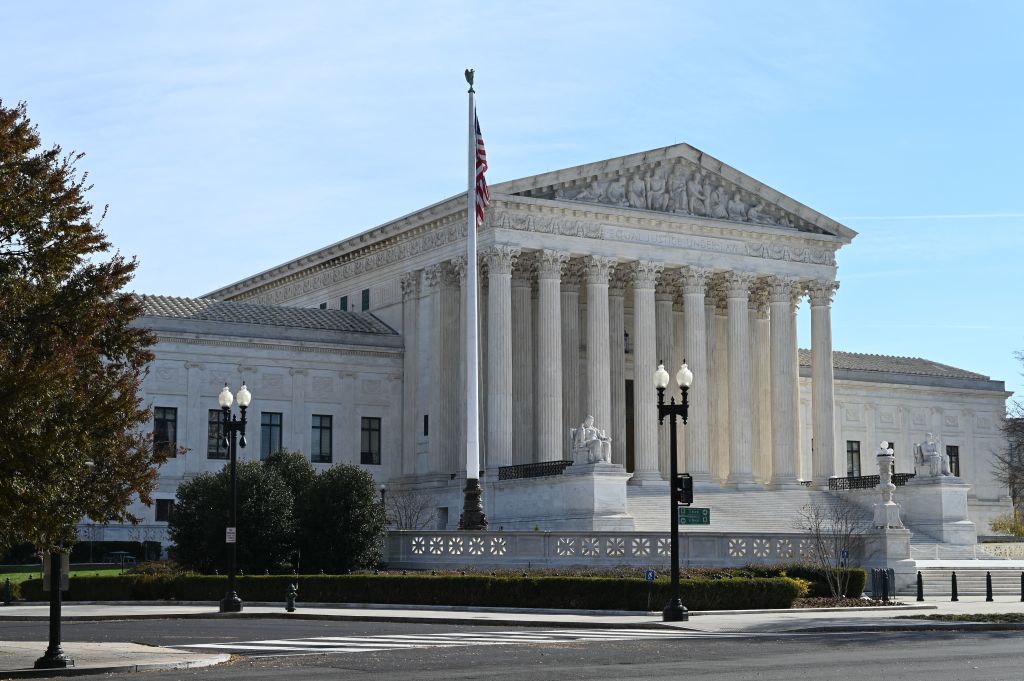
Published April 17, 2026 by SCOTUSblog, a detailed review of oral arguments in the birthright citizenship challenge reveals that key justices — including members of the court's conservative majority — raised pointed questions about the Trump administration's position. Analysis focused on the weight of 20th-century congressional actions on birthright citizenship, noting that when Congress repeated the phrase "subject to the jurisdiction thereof" in the 1940 and 1952 immigration statutes, it likely affirmed the existing constitutional interpretation under Wong Kim Ark (1898).
Shadow Docket Exposed: Secret Memos Illuminate Routine Presidential Power Rulings
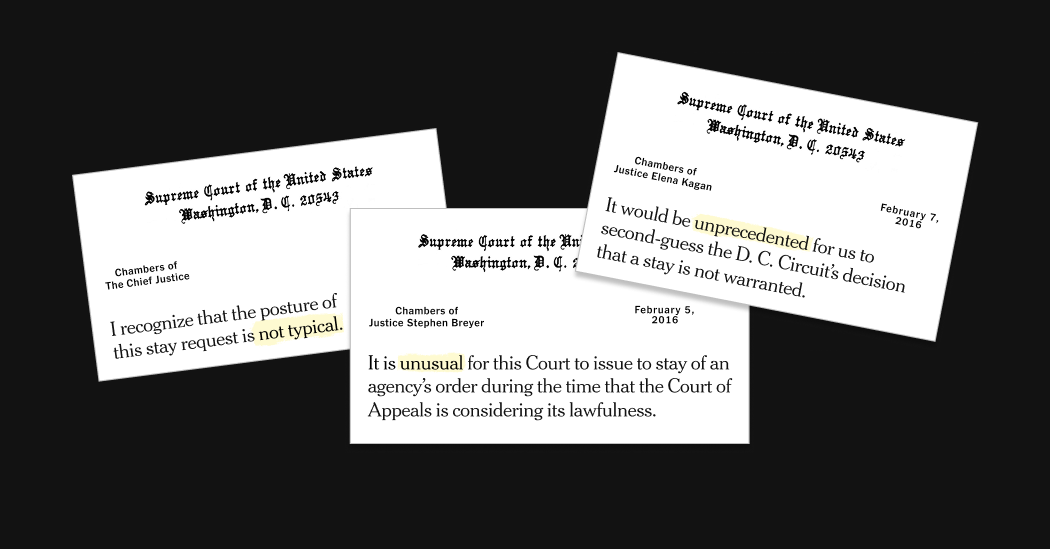
The New York Times published an in-depth report on April 18, 2026, based on secret internal memos, revealing the origins of the court's now-routine "shadow docket" rulings on presidential power. The report raises concerns about the court using emergency procedures outside normal briefing processes to decide high-stakes questions with lasting consequences.
Missouri Independent Analysis: What Birthright Citizenship Arguments Reveal
Reporting from April 15, 2026, the Missouri Independent concluded that a majority of justices showed skepticism about the Trump administration's birthright citizenship arguments. The court delayed any direct ruling on birthright citizenship itself, instead taking up the procedural question of universal injunctions first.
Texas GOP Attorney General Candidates Seek to Challenge Landmark Supreme Court Precedents
Houston Public Media reported on April 13, 2026 that Republican attorney general candidates in Texas are advocating to overturn decades-old Supreme Court rulings — including Plyler v. Doe, which guarantees children the right to public education regardless of citizenship status.
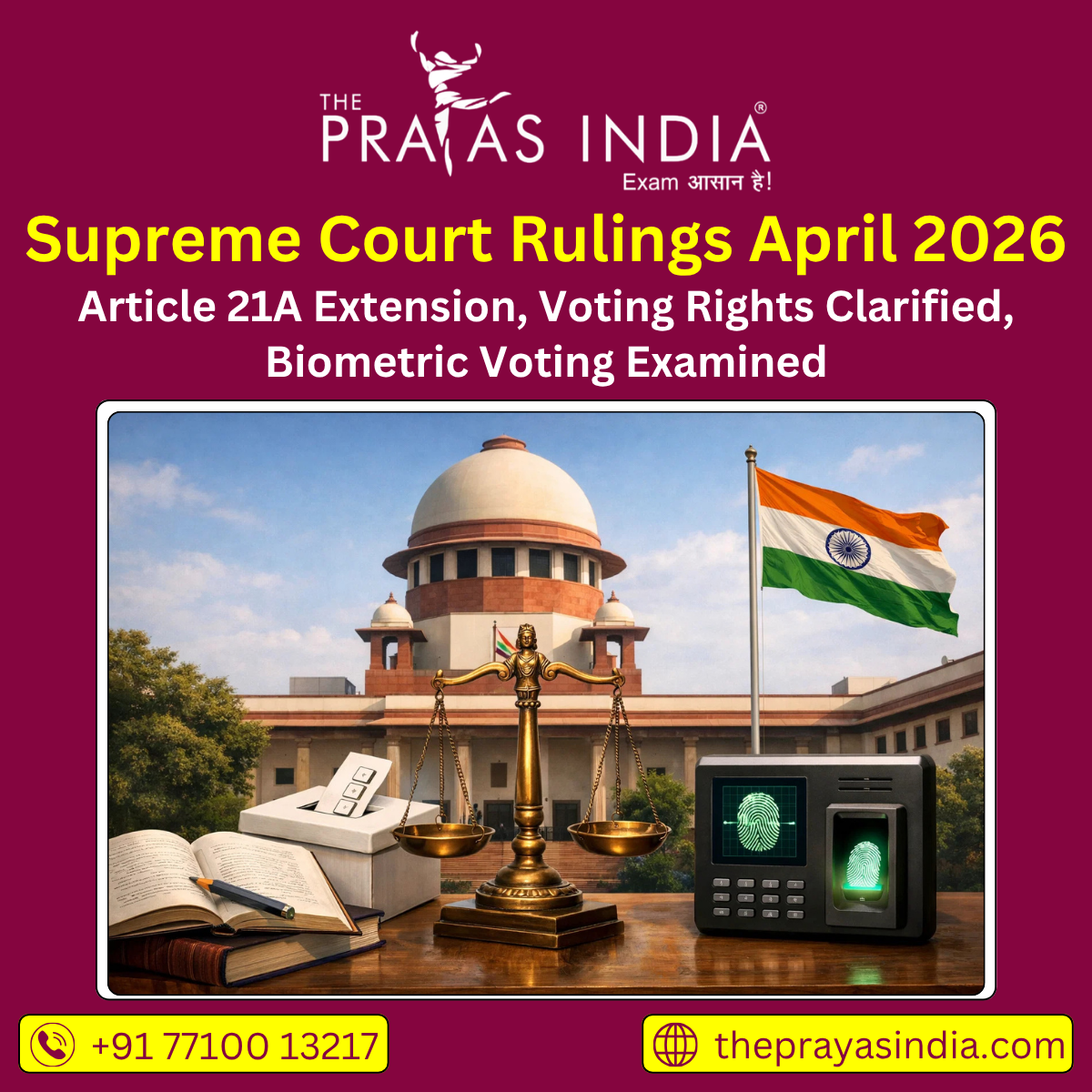
India Supreme Court: Pre-Primary Education and Biometric Voting (April 13–14)
India's Supreme Court issued rulings on April 13–14, 2026 covering the potential expansion of Article 21A to pre-primary education, the statutory nature of voting rights, and the feasibility of biometric verification at polling stations.
Case Analysis
Why the Louisiana Coastal Damage Ruling Matters
The Supreme Court's unanimous decision in the Louisiana coastal damage suit — sending it back to federal courts — has wide implications for climate and environmental liability litigation. For years, local governments have sought to hold fossil fuel companies accountable for coastal damage through state courts, arguing that federal standards shouldn't shield companies from local nuisance claims. By routing the case back to the federal judiciary, the Supreme Court's ruling limits the ability of parishes and municipalities to pursue these suits in what they view as more favorable state forums.
The decision is particularly notable for its unanimity: all nine justices agreed, signaling that even the court's liberal wing was not prepared to endorse the theory that oil and gas companies could be sued in state court under these circumstances. Legal observers say the ruling creates a significant barrier for similar suits filed in other coastal states.
The Shadow Docket Debate
The New York Times' shadow docket exposé arrives at a critical moment. The court has increasingly used emergency procedures to issue major rulings on presidential power — actions taken without full briefing, oral argument, or written opinions. The secret memos obtained by the Times suggest these practices have become institutionalized. Critics argue the shadow docket allows the justices to shape law without full transparency or accountability; supporters say it allows the court to act quickly in genuine emergencies.
What to Watch
This Week (April 20–22, 2026):
-
April 20 — The Supreme Court hears oral arguments in two cases:
- Sripetch v. Securities and Exchange Commission — whether the SEC can use "disgorgement" to force wrongdoers to turn over profits without proving direct customer harm.
- T.M. v. University of Maryland Medical System Corp.
-
April 21 — Oral arguments in Federal Communications Commission v. AT&T, Inc.
-
April 22 — Oral arguments in Blanche v. Lau, and a possible announcement of opinions. SCOTUSblog will live-blog starting at 9:30 a.m. ET.
Upcoming:
- April 24 — Supreme Court conference day.
- The birthright citizenship case (Trump v. Barbara) remains pending decision. The court must first rule on the threshold question of universal injunctions before reaching the merits of birthright citizenship.
- SCOTUSblog's Relist Watch notes the court recently granted review in Johnson v. United States Congress, a veterans' benefits case asking whether the Veterans' Judicial Review Act stripped district courts of jurisdiction to hear constitutional challenges to acts of Congress affecting veterans' benefits.
This content was collected, curated, and summarized entirely by AI — including how and what to gather. It may contain inaccuracies. Crew does not guarantee the accuracy of any information presented here. Always verify facts on your own before acting on them. Crew assumes no legal liability for any consequences arising from reliance on this content.
Powered by
