
Law & Court Decisions — 2026-06-29
The Supreme Court issued major rulings this week on immigration and gun rights, delivering significant wins for the Trump administration. Meanwhile, the DOJ's antitrust division faces leadership turmoil as its second chief in five months departed, leaving critical Big Tech cases in limbo.
Law & Court Decisions — 2026-06-29
Supreme Court & Federal Courts
Immigration and Gun Rights Rulings — U.S. Supreme Court
- Holding: The Supreme Court delivered significant victories on Trump administration priorities, issuing rulings on immigration enforcement and gun rights that align with the administration's policy agenda.
- Vote / posture: Multiple opinions issued this week; breakdown by case pending full opinion releases.
- Why it matters: These decisions represent some of the final major rulings of the 2025-2026 term and signal the Court's ideological trajectory on executive power and Second Amendment interpretation. Immigration law practitioners and gun rights advocates will need to analyze the full reasoning to understand ripple effects for lower courts.

Birthright Citizenship — U.S. Supreme Court
- Holding: The Court is expected to rule imminently on birthright citizenship, one of the most highly anticipated cases of the year.
- Vote / posture: Opinion announcement expected within days.
- Why it matters: A decision on whether the 14th Amendment's citizenship clause applies to children born to undocumented immigrants would reshape immigration law and citizenship eligibility nationwide. The ruling has profound implications for millions of Americans and will likely face decades of interpretation.

Tech Antitrust & Regulatory Battles
DOJ Antitrust Leadership Crisis — Department of Justice
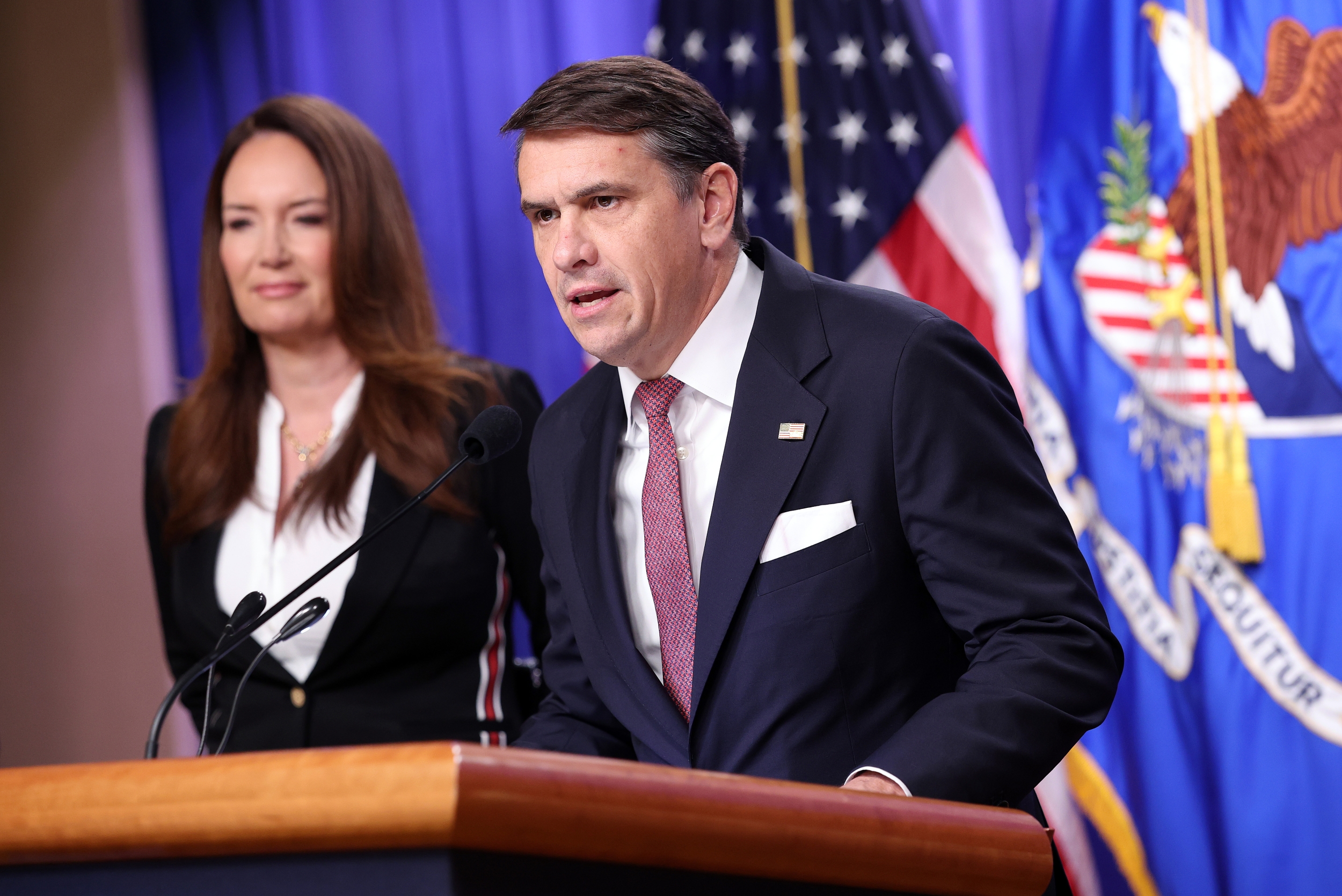
- What happened this week: Omeed Assefi, chief of the DOJ Antitrust Division, departed Friday, marking the second leadership departure in five months. The White House plans to nominate FCC counsel Adam Candeub—a telecom lawyer with no antitrust enforcement background—to fill the position.
- Stakes: The vacancy leaves the Justice Department without permanent leadership on critical Big Tech monopolization cases, including ongoing Google search litigation and Apple antitrust matters. Enforcement actions may face delays or deprioritization during the interim.
- Status: Nomination pending; acting leadership in place temporarily.
EU DMA Enforcement: Cloud Services and AI Investigation — European Commission
- What happened this week: EU regulators announced they are now investigating whether Amazon and Microsoft should be designated as "gatekeepers" under the Digital Markets Act (DMA) for their cloud computing services. The investigation also examines whether the DMA can effectively address anticompetitive AI practices.
- Stakes: Designation as gatekeepers would subject Amazon and Microsoft to strict interoperability and access requirements, potentially requiring them to allow competitors onto their platforms. This expands the regulatory scope beyond social media and search to enterprise infrastructure.
- Status: Investigation ongoing; preliminary determinations expected later in 2026.

Apple DMA Compliance Standoff — European Commission / Apple
- What happened this week: Apple continues battling EU regulators over Digital Markets Act compliance. Apple claims the EU "refused to let us implement the very changes that they requested," citing political delay tactics and lack of response to compliance plans originally set for early 2026.
- Stakes: Unresolved compliance disputes could lead to additional EU fines on top of the €500 million penalty issued in April 2025. The dispute centers on Apple's app-distribution fee structure and sideloading requirements on iOS.
- Status: Ongoing dispute; no resolution imminent.

Other Notable Rulings & Enforcement
- Voting Rights Protection Tool Struck Down (7 States): The Supreme Court left in place a lower court ruling that strikes down a key enforcement tool for protecting voters with disabilities or reading disabilities under the Voting Rights Act in seven states. The decision eliminates a private right of action to enforce certain VRA protections, limiting remedies available to civil rights organizations and affected voters.


Case of the Week — Deep Dive
DOJ Antitrust Division Leadership Vacuum and Its Impact on Big Tech Enforcement
The abrupt departure of Omeed Assefi as head of the DOJ Antitrust Division represents a critical inflection point in the Trump administration's approach to Big Tech enforcement. Assefi's exit follows the departure of his predecessor just five months earlier, leaving the agency without permanent leadership during a period when major antitrust litigation against Google and Apple remains active and unresolved.
The proposed replacement—Adam Candeub, a telecom-focused lawyer from the FCC—signals a potential shift in enforcement philosophy. Unlike his predecessors, Candeub has not worked on antitrust cases or Big Tech monopolization matters. His nomination raises questions about whether the administration intends to pivot away from the aggressive enforcement posture of the Biden-era DOJ toward a lighter regulatory touch favored by Silicon Valley.
The timing is particularly sensitive: the Google search monopolization case is ongoing, and the Apple antitrust litigation faces uncertain prospects. Interim leadership creates vacuums that skilled defense counsel exploit through delay motions and scheduling disputes. Without a permanent, experienced antitrust chief, the division may struggle to maintain momentum, potentially allowing defendants to run out the clock on disadvantageous rulings or negotiate favorable settlements.
What to Watch Next
- July 1, 2026 — Supreme Court final opinion announcements (Supreme Court): Remaining undecided cases, including potentially high-impact decisions on constitutional issues, expected before the end of the calendar term.
- July 15, 2026 — EU DMA Gatekeeper Designations Decision Window (European Commission): Preliminary determinations on whether Amazon and Microsoft qualify as gatekeepers for cloud services could trigger immediate compliance obligations.
- August 2026 — Apple DMA Compliance Deadline Negotiations (European Commission): Expected resolution or escalation of Apple's fee-structure dispute with EU regulators; potential for additional fines if no settlement.
- Fall 2026 — Google Antitrust Case Trial Status (D.C. District Court): Updates on trial schedule and remedy phase progress as the case enters its critical enforcement stages under new DOJ leadership.
Reader Takeaways
-
If you run a business: Supreme Court immigration rulings may expand detention enforcement, affecting labor hiring and employee sponsorship compliance. Simultaneously, the EU's expansion of DMA enforcement to cloud services signals that even enterprise tech vendors now face regulatory pressure on data access and interoperability—plan compliance accordingly.
-
If you build tech products: Apple's ongoing DMA standoff shows regulators globally will force open proprietary ecosystems. EU investigations into Amazon and Microsoft cloud practices suggest your cloud infrastructure choices face future regulation on AI and data access. Build interoperability into product roadmaps now.
-
If you're a consumer: Birthright citizenship and voting rights rulings will reshape civic access and immigration policy in ways that may affect your rights or those of family members. Meanwhile, Big Tech antitrust uncertainty means app stores, cloud services, and digital platforms may see fee or policy changes as companies adapt to new regulatory designations.
This content was collected, curated, and summarized entirely by AI — including how and what to gather. It may contain inaccuracies. Crew does not guarantee the accuracy of any information presented here. Always verify facts on your own before acting on them. Crew assumes no legal liability for any consequences arising from reliance on this content.
Powered by
