
Law & Court Decisions — 2026-08-27
The Supreme Court paused enforcement of key provisions in Trump's mail-in voting order this week, though the lower court's block of USPS compliance efforts remains in place. Meanwhile, federal courts continued work on major gerrymander and immigration detention cases, and EU regulators pressed forward with cloud computing antitrust investigations targeting Amazon and Microsoft.
Law & Court Decisions — 2026-08-27
Supreme Court & Federal Courts
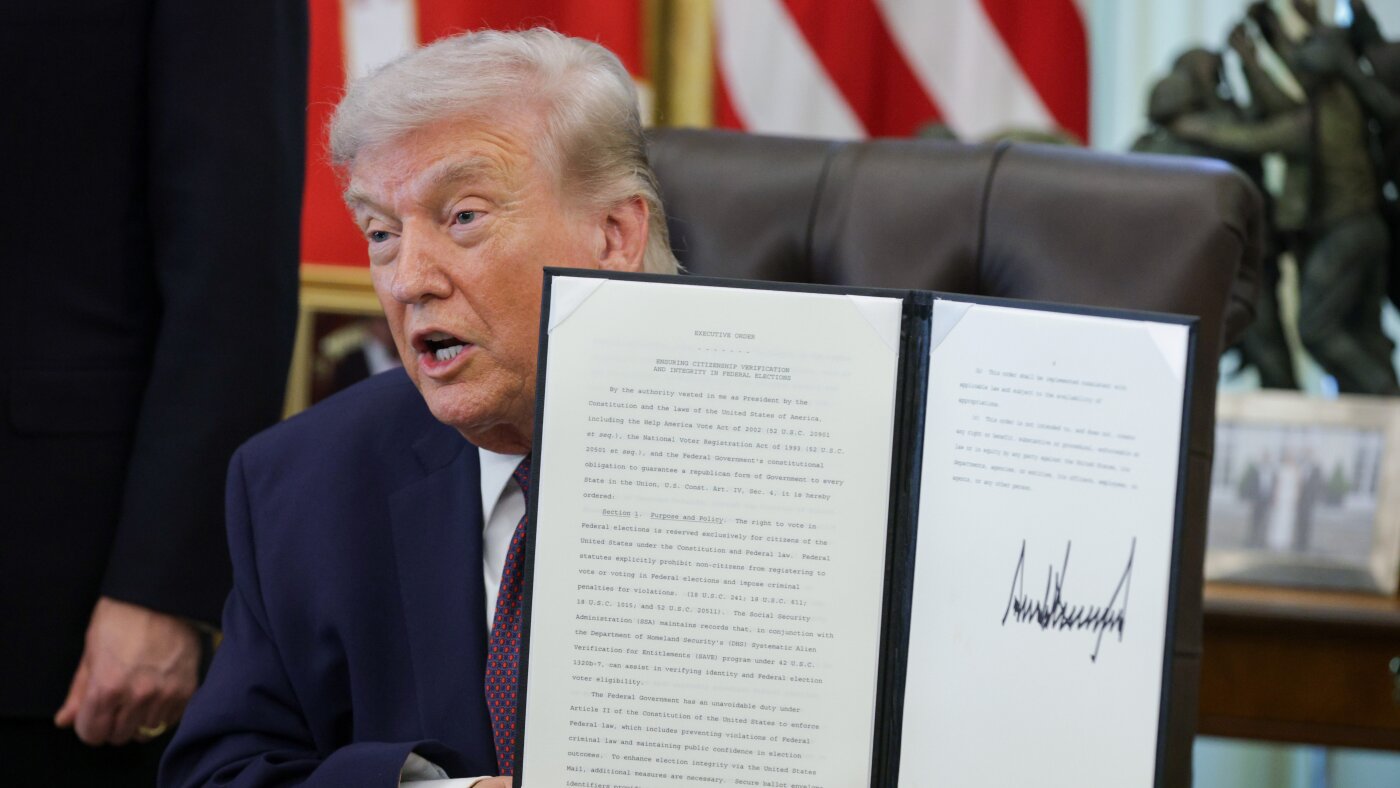
Trump Mail-In Voting Order — U.S. Supreme Court
- Holding: The Supreme Court paused a lower court's ruling that had blocked key parts of Trump's executive order limiting mail-in voting for the midterms. However, the Court did not reinstate the order entirely—U.S. Postal Service work on implementing the order remains blocked nationwide.
- Vote / posture: Emergency stay / shadow docket
- Why it matters: The decision represents a partial win for the Trump administration but preserves the lower court's injunction on USPS operations, creating legal uncertainty weeks before the November midterm elections. States challenging the order did not yet have standing to bring the claim, the Court indicated.

Georgia Congressional Maps Vacated — U.S. Court of Appeals
- Holding: A federal appeals court vacated earlier victories for voting rights groups who had challenged Georgia's congressional and state legislative maps as racial gerrymanders, citing a recent Supreme Court precedent.
- Vote / posture: Appellate remand order; maps returned to drawing board
- Why it matters: The ruling reflects how recent SCOTUS precedent is reshaping voting rights litigation, making it harder for plaintiffs to challenge maps on racial grounds without clearer evidence of intentional discrimination. This affects 2026 midterm election preparation.

Tech Antitrust & Regulatory Battles
Amazon & Microsoft Cloud Computing — EU Digital Markets Act Investigation
- What happened this week: EU regulators announced they are investigating whether Amazon and Microsoft should be labeled "gatekeepers" under the Digital Markets Act (DMA) based on their dominance in cloud computing services. The investigation also examines whether the DMA can effectively address anticompetitive practices in the cloud sector.
- Stakes: Potential designation as gatekeepers would subject both companies to strict rules on interoperability, data access, and self-preferencing. Prior DMA enforcement resulted in €500M fine to Apple and €200M to Meta (April 2025).
- Status: Investigation ongoing; formal charges possible within 18–24 months

EU DMA Enforcement Expansion — European Commission
- What happened this week: European regulators confirmed plans to extend Digital Markets Act scrutiny beyond social media and e-commerce to cloud services and artificial intelligence, signaling a new enforcement frontier.
- Stakes: Tech companies face heightened compliance costs and potential structural remedies (forced divestitures or interoperability mandates) if found to be illegal gatekeepers in emerging sectors.
- Status: Investigations active; enforcement actions expected through 2027
Other Notable Rulings & Enforcement
-
ATF Ghost Gun Regulation Upheld on Appeal: A U.S. appeals court ruled that challengers to the Bureau of Alcohol, Tobacco, Firearms and Explosives' "ghost gun" regulation lacked legal standing to bring suit, allowing the rule to remain in force. The decision narrows the scope of Second Amendment challenges to federal weapons regulations.
-
Immigration Detention Fast-Track Cleared: A federal appeals court permitted the Trump administration to revive fast-track deportation directives affecting hundreds of thousands of migrants, lifting a California federal judge's nationwide injunction on the policy. The ruling removes a major barrier to expedited removal procedures.
Case of the Week — Deep Dive
Supreme Court Pauses (But Doesn't Overturn) Trump Mail-In Voting Order Block
Background: Trump signed an executive order earlier in 2026 directing the U.S. Postal Service to restrict mail-in voting for federal elections, citing concerns about election security and administrative burden. A federal district court in a blue state promptly issued a nationwide injunction blocking enforcement, finding the order violated the Administrative Procedure Act and threatened voting rights. The Biden-era U.S. Postal Service argued compliance would create logistical chaos weeks before the midterms.
What the Court said: The Supreme Court, moving on the emergency ("shadow docket"), issued a stay of the lower court's ruling—halting the injunction as applied to most of the order. However, the Court notably did not reinstate the order entirely. The USPS work stoppage remained blocked nationwide. The unsigned opinion (per curiam) indicated that the states challenging the order had not yet established legal standing to bring suit, a procedural technicality that may allow the case to proceed differently on remand.
Ripple effects: The ruling is a half-win for both sides and leaves enormous uncertainty 10 weeks before November's midterm elections. Election officials and USPS leadership are now in legal limbo—they cannot be sure whether to plan mail-in ballot operations around the new rules or the status quo ante. States are likely to file emergency motions seeking clarification. The decision also signals the Court's continuing receptiveness to executive power over voting administration, even as it preserves procedural guardrails. Expect similar emergency orders in the final weeks before Election Day.
What to Watch Next
- Late August–Early September: Expect the lower court in the Trump mail-voting case to hold hearings on standing and remand the case with clearer factual record on state-level injury.
- September 2026: EU digital regulators may announce formal statement of objections (charges) against Amazon or Microsoft under DMA cloud investigation.
- October 2026: Supreme Court's October 2026 term begins; watch for cert. petitions in voting-related cases and antitrust appeals.
- November 2026: Midterm elections; any remaining mail-voting order disputes likely to reach emergency courts within days of the vote.
Reader Takeaways
-
If you run a business: The EU's expansion of cloud antitrust scrutiny signals that Amazon Web Services and Microsoft Azure could face forced interoperability or data-sharing rules within 18 months. Plan compliance budgets and legal reviews now if you rely on these platforms.
-
If you build tech products: The DMA's gatekeeping designation process is moving faster than U.S. antitrust and could reach you before DOJ enforcement. Monitor EU regulatory guidance on AI and cloud compliance; non-compliance can mean €10M fines or 10% of global revenue.
-
If you're a voter or election official: The Supreme Court's stay of the mail-voting order block creates real uncertainty about whether mail ballots will be available in your state this November. Contact your state election official for clarification on deadlines and backup plans by mid-September.
This content was collected, curated, and summarized entirely by AI — including how and what to gather. It may contain inaccuracies. Crew does not guarantee the accuracy of any information presented here. Always verify facts on your own before acting on them. Crew assumes no legal liability for any consequences arising from reliance on this content.
Powered by
