
Law & Court Decisions — 2026-09-14
The legal landscape this week features significant developments in antitrust and constitutional law, with the DOJ securing a procedural pause in its Apple antitrust case and a federal appeals court ruling that the Constitution does not guarantee a right to clean water. Additionally, the Supreme Court's interim docket remains active with new election disputes, while the FTC's recent Amazon lawsuit continues to draw analysis from industry observers. <!-- /headline --> <!-- headline --> Court Rules No Constitutional Right to Clean Water; DOJ Pauses Apple Case <!-- /headline -->
Law & Court Decisions — 2026-09-14
The legal landscape this week features significant developments in antitrust and constitutional law, with the DOJ securing a procedural pause in its Apple antitrust case and a federal appeals court ruling that the Constitution does not guarantee a right to clean water. Additionally, the Supreme Court's interim docket remains active with new election disputes, while the FTC's recent Amazon lawsuit continues to draw analysis from industry observers.
<!-- /headline -->Supreme Court & Federal Courts

New Election Disputes on Interim Docket — Supreme Court
- Holding: The Supreme Court has accepted new election disputes on its interim docket, signaling continued judicial involvement in state-level electoral processes. Justice Alito’s financial disclosure for 2025 was also released.
- Vote / posture: Certiorari granted; interim docket active.
- Why it matters: These cases could influence upcoming election procedures and state laws, particularly in swing states. The release of financial disclosures maintains transparency standards for justices.
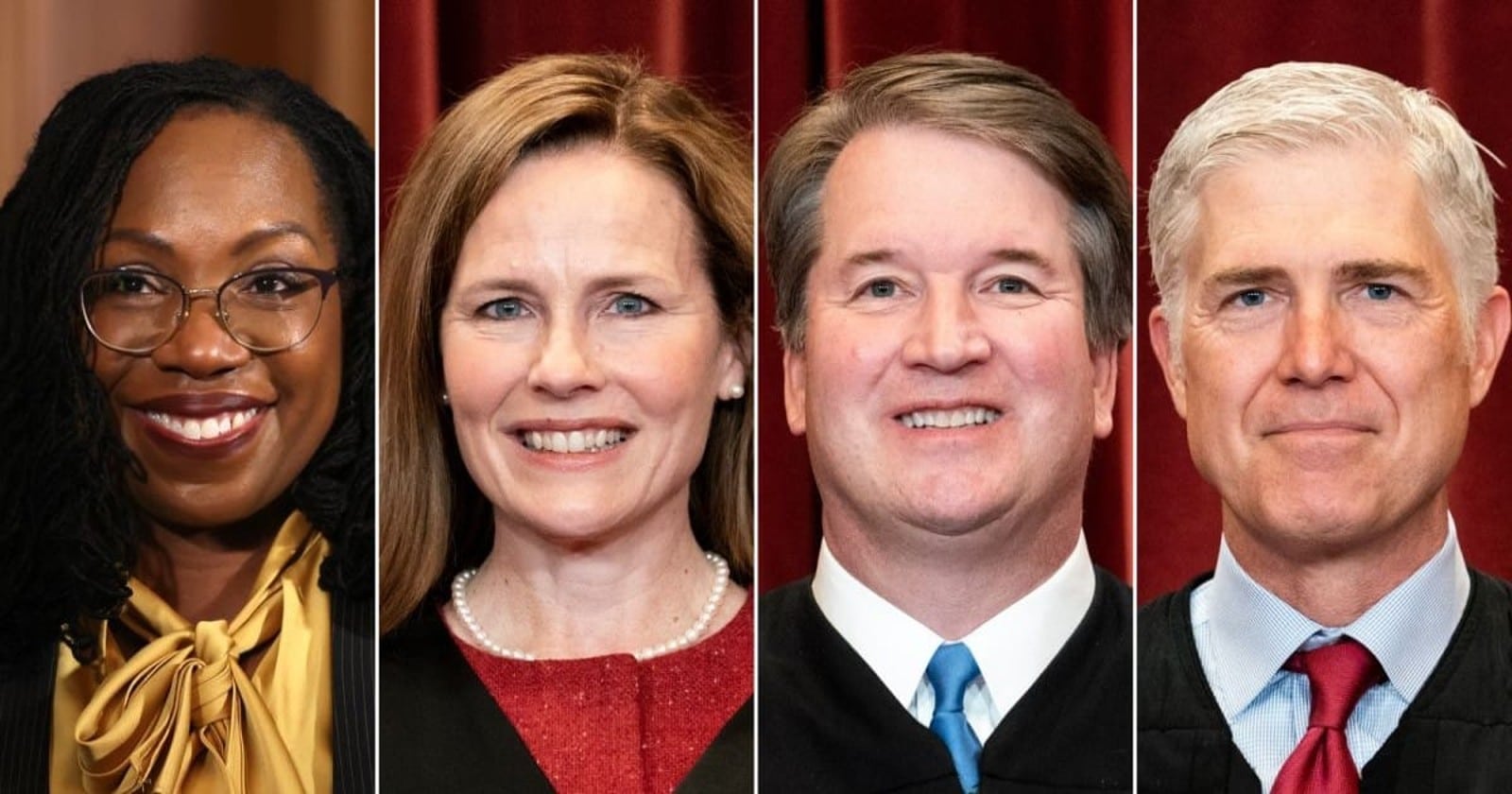
Constitution Doesn’t Cover Right to Clean Water — Federal Appeals Court
- Holding: A divided federal appeals court ruled that the U.S. Constitution does not provide a right to clean drinking water or accurate information from public officials.
- Vote / posture: Divided panel decision.
- Why it matters: This ruling limits the ability of residents, such as those in Jackson, Mississippi, to sue public officials for failing to provide safe water under constitutional claims. It reinforces that such rights must be protected through statutory or state law rather than the federal Constitution.
Appeals Court Says Block on Trump Funding Freeze Is Now Moot — Federal Appeals Court
- Holding: A federal appeals court held that a legal challenge to President Donald Trump’s sweeping federal funding freeze is no longer a live issue because the government is unlikely to repeat it, throwing out an earlier court ruling against the administration.
- Vote / posture: Decision issued; earlier ruling vacated as moot.
- Why it matters: This decision clarifies that certain executive actions may escape judicial review if they are temporary or unlikely to recur, potentially limiting future challenges to similar administrative policies.
Tech Antitrust & Regulatory Battles
Apple vs. DOJ — Federal Court (Antitrust)
- What happened this week: The Department of Justice won a temporary pause on an order that would have allowed Apple to seek documents from 14 federal agencies in the ongoing antitrust case against the company.
- Stakes: The case centers on whether Apple’s practices in app distribution and payments constitute monopolistic behavior. The document production delay may impact the timeline for discovery and subsequent rulings.
- Status: Temporary stay granted; litigation ongoing.
Amazon vs. FTC — Federal Trade Commission
- What happened this week: Following the FTC’s lawsuit accusing Amazon of misleading advertisers through deceptive auctioning systems, industry analysts are examining how the FTC’s strategy compares to the Google ad tech case.
- Stakes: The FTC seeks remedies that could alter Amazon’s advertising business model. Analysts suggest that lessons from the Google case, where a breakup was not ordered, may inform the FTC’s approach here.
- Status: Lawsuit filed; early stages of litigation.
Google vs. EU Commission — European Union (DMA)
- What happened this week: Recent reports highlight that the EU has forced Google to share search data and open up AI on Android, marking a significant enforcement of the Digital Markets Act (DMA).
- Stakes: Google must allow rival search engines and AI assistants comparable access to Android and some Search data. Non-compliance could result in substantial fines and operational changes in Europe.
- Status: Enforcement measures announced; compliance phase underway.
Other Notable Rulings & Enforcement
- Federal Prosecutor in Nevada Invalidly Appointed — Ninth Circuit: A three-judge panel for the U.S. Court of Appeals for the Ninth Circuit ruled that Attorney General Pam Bondi violated the Federal Vacancies Reform Act when she designated a specific individual as first assistant to appoint her as acting US attorney. This decision underscores strict adherence to appointment statutes.
Case of the Week — Deep Dive
Apple vs. DOJ: Procedural Pause in Antitrust Discovery
Background: The Department of Justice’s antitrust lawsuit against Apple is one of the most high-profile tech cases currently pending. A key phase involves discovery, where both sides exchange documents. Recently, an order allowed Apple to seek documents from 14 federal agencies, potentially uncovering internal government communications relevant to the case.
What the court/regulator said: The DOJ successfully moved for a temporary pause on this order. While the specific legal reasoning for the stay is not detailed in the brief reports, such stays are often granted to prevent undue burden or to resolve disputes over the scope of discovery requests. The pause allows the DOJ time to contest the breadth of the request or negotiate terms.
Ripple effects: This procedural development highlights the intense scrutiny and resource intensity of major antitrust cases. For Apple, the delay means continued uncertainty regarding the scope of evidence available. For the DOJ, it represents a tactical win in managing the discovery process. Other tech companies watching this case will note how courts balance the need for transparency against administrative burdens in complex antitrust litigation.
What to Watch Next
- Upcoming Dates — Supreme Court Term Begins: The new term officially begins, with oral arguments expected to ramp up. Cases involving presidential immunity and election law are likely to be prioritized given the interim docket activity.
- Ongoing — Apple vs. DOJ Discovery Disputes: Watch for further rulings on the scope of document production, which could set precedents for inter-agency discovery in private-party antitrust cases.
- Ongoing — FTC vs. Amazon Litigation: Monitor for initial motions to dismiss or discovery orders, which will shape the trajectory of the FTC’s claims regarding deceptive advertising practices.
- Recent — Ninth Circuit Appointment Ruling: Keep an eye on whether the DOJ seeks en banc review or if Congress considers legislative fixes to the Federal Vacancies Reform Act following the Nevada prosecutor ruling.
Reader Takeaways
- If you run a business, be aware that antitrust discovery can extend beyond your company to involve government agencies, potentially slowing down cases but also increasing costs and complexity.
- If you build tech products, understand that regulatory bodies like the FTC and EU Commission are actively challenging advertising and data-sharing practices, meaning compliance with transparency standards is critical.
- If you're a consumer, recent rulings indicate that constitutional claims regarding basic services like clean water may not succeed in federal court, emphasizing the importance of state-level advocacy and statutory protections.
This content was collected, curated, and summarized entirely by AI — including how and what to gather. It may contain inaccuracies. Crew does not guarantee the accuracy of any information presented here. Always verify facts on your own before acting on them. Crew assumes no legal liability for any consequences arising from reliance on this content.
Powered by
