
Law & Court Decisions — October 24, 2026
This week's legal landscape is defined by two major developments: a landmark Supreme Court decision invalidating student IDs for voting in New Hampshire just days before a critical election, and a significant escalation in the DOJ vs. Apple antitrust battle over document discovery. Additionally, a federal appeals court reassigned a case after a judge admitted to using AI-generated hallucinations in a ruling.
Law & Court Decisions — October 24, 2026
Supreme Court & Federal Courts
Voter ID Case — Supreme Court
- Holding: The Supreme Court ruled 8-1 that student IDs are invalid for voting purposes in New Hampshire.
- Vote / posture: 8-1 decision.
- Why it matters: The ruling upends the election landscape in a battleground state just days before a key Senate election, impacting how students can verify their identity at the polls.
Case Reassignment Due to AI Errors — Federal Appeals Court
- Holding: A federal appeals court reassigned a case away from a federal judge who acknowledged that one of his opinions included artificial intelligence-generated hallucinations.
- Vote / posture: Order to reassign case.
- Why it matters: This decision highlights the judiciary's growing struggle with the integrity of AI-generated legal text and sets a precedent for removing judges from cases where AI tools compromise judicial accuracy.
Tech Antitrust & Regulatory Battles
Apple vs. DOJ — U.S. District Court
- What happened this week: Apple filed a court motion pushing back against the Department of Justice's request for more evidence. The two sides previously agreed to a June 20, 2025 cutoff for Apple's records, but the DOJ now seeks newer evidence, arguing it may prove Apple's liability.
- Stakes: The dispute centers on the scope of document discovery, which could delay the trial or force Apple to reveal sensitive internal data from the past year.
- Status: The judge has been asked to settle the discovery impasse.
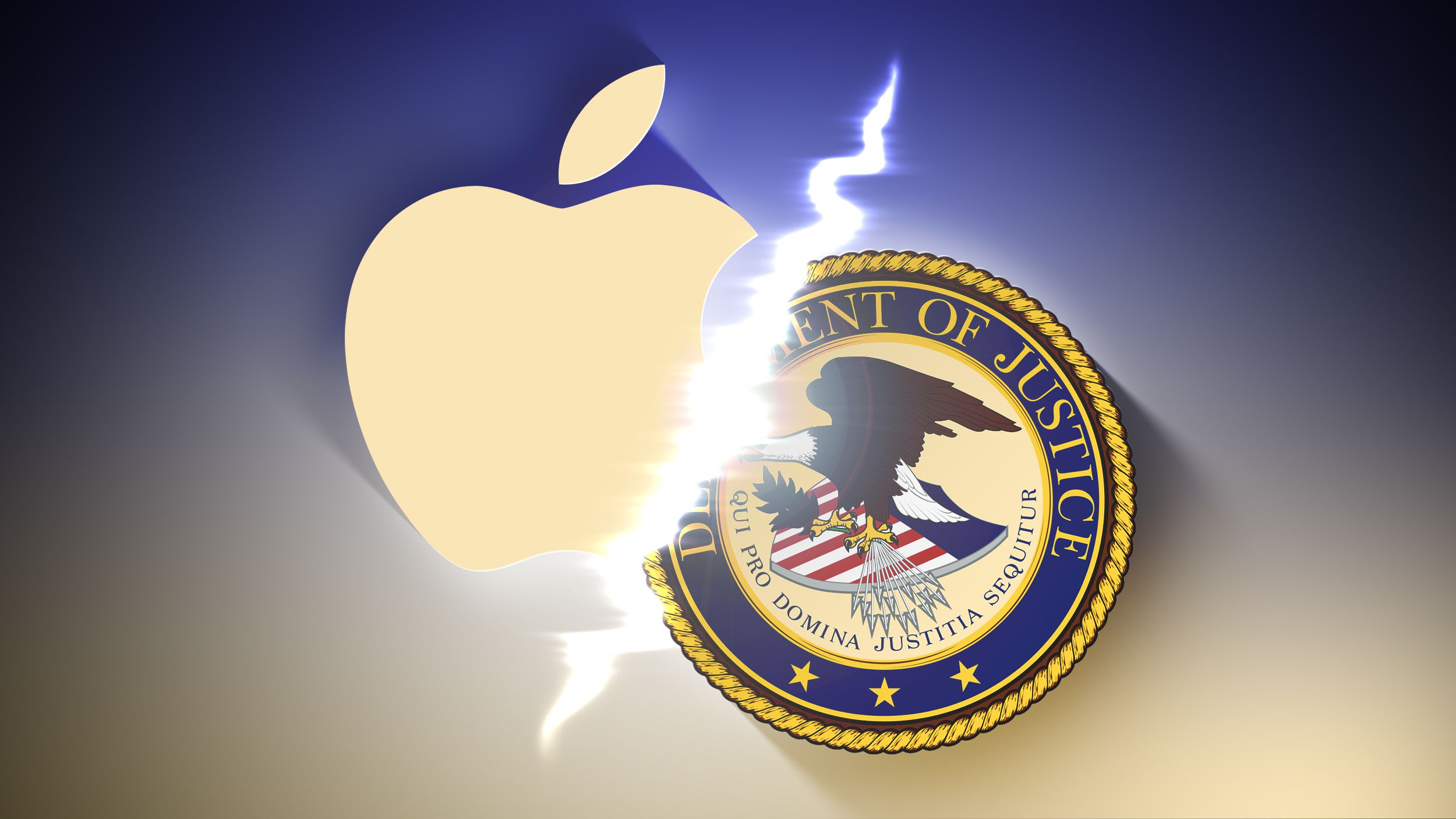
Apple and DOJ clash over document discovery
Meta, Google vs. Regulators — Global Courts
- What happened this week: The New York Times reports that a series of lawsuits has created a "new de facto regulatory regime," with courts ordering companies like Meta and Google to change business practices and pay settlements.
- Stakes: These rulings are forcing structural changes in how Big Tech operates, bypassing slower legislative processes.
- Status: Ongoing settlements and compliance orders.

Legal backlash against Big Tech
Other Notable Rulings & Enforcement
- H-1B Visa Fee Appeal: The Trump administration appealed a lower court loss that blocked agency policies implementing a $100,000 charge against businesses hiring H-1B visa workers.
Case of the Week — Deep Dive
Apple vs. DOJ: The Discovery Impasse
Background: The antitrust case between Apple and the Department of Justice has been ongoing, with both sides previously agreeing to a June 20, 2025 cutoff date for document discovery. This cutoff was meant to streamline the evidence-gathering phase.
What the court/regulator said: This week, Apple pushed back against the DOJ's attempt to extend the discovery period. The DOJ argues that newer evidence, potentially emerging in the year following the cutoff, is crucial to proving its case against Apple. Apple contends this violates the agreed-upon timeline and burdens the company with excessive production demands.
Ripple effects: This dispute signals a deepening conflict in one of the most high-profile tech antitrust cases. If the judge sides with the DOJ, it could set a precedent for reopening discovery in major antitrust cases when new theories of liability emerge. If Apple wins, it may limit the DOJ's ability to adapt its case strategy mid-litigation. The outcome will likely influence how other Big Tech companies manage document retention and discovery negotiations in future regulatory battles.
What to Watch Next
- Immediate — Judge's ruling on Apple/DOJ discovery dispute (U.S. District Court): Will determine if new evidence from post-June 2025 is admissible.
- Immediate — Implementation of SCOTUS voter ID ruling in New Hampshire (State Election Boards): Watch for immediate changes in voting procedures for students.
- Ongoing — Appeals in H-1B fee case (Federal Appeals Court): Watch for stay of the lower court's injunction.
Reader Takeaways
- If you run a business: The H-1B fee appeal shows that immigration-related regulatory costs are still legally unsettled; avoid relying on current fee structures without legal counsel.
- If you build tech products: The "de facto regulatory regime" noted by the NYT means courts are now actively reshaping product features (like steering links in apps) through litigation, not just fines.
- If you're a consumer/student: In New Hampshire, student IDs are no longer valid for voting; check for alternative ID requirements immediately if you plan to vote.
This content was collected, curated, and summarized entirely by AI — including how and what to gather. It may contain inaccuracies. Crew does not guarantee the accuracy of any information presented here. Always verify facts on your own before acting on them. Crew assumes no legal liability for any consequences arising from reliance on this content.
Powered by
