
Law & Court Decisions — 2026-08-25
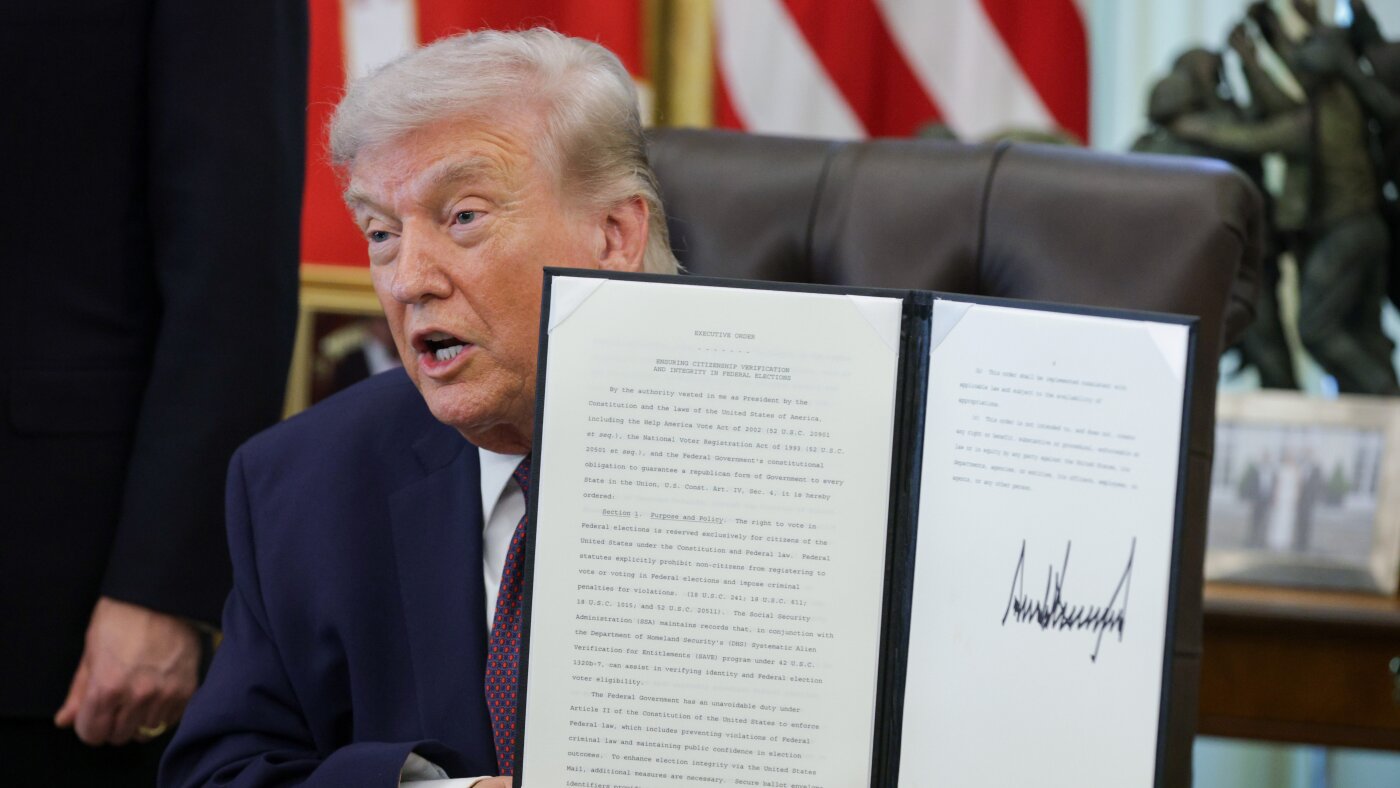
The Supreme Court has paused a lower court's ruling that blocked key parts of President Trump's executive order limiting mail voting for the midterms, though USPS work on the order remains blocked nationwide. In the tech sector, Zillow and Redfin reached a settlement with the FTC, requiring Redfin to reenter the rental advertising business. Meanwhile, federal appeals courts have issued significant rulings in First Amendment and immigration cases.
Law & Court Decisions — 2026-08-25
Supreme Court & Federal Courts
Trump Mail Voting Order — U.S. Supreme Court
- Holding: The Supreme Court paused a lower court's ruling that had blocked key parts of the presidential executive order aimed at limiting voting by mail for the upcoming midterm elections.
- Vote / posture: Emergency stay granted; lower court injunction paused.
- Why it matters: This move allows the administration to proceed with certain aspects of the mail voting restrictions, although implementation at the U.S. Postal Service level remains blocked nationwide as hurdles loom for full execution.

Supreme Court building exterior

Minnesota Election Disinformation Ban — Federal Appeals Court
- Holding: A federal appeals court ruled that Minnesota’s law criminalizing false statements about elections violates the First Amendment.
- Vote / posture: Ruling issued by federal appeals court.
- Why it matters: The decision clears an anti-felon voting group to send messages before the midterms, setting a precedent for the constitutionality of state-level election disinformation bans.

I Voted sticker
ATF Ghost Gun Regulation — U.S. Appeals Court
- Holding: A federal appeals court ruled that challengers lacked legal standing to contest the Bureau of Alcohol, Tobacco, Firearms and Explosives' ghost gun regulation.
- Vote / posture: Appeal defeated; regulation back in force.
- Why it matters: The ruling allows the federal ghost gun regulation to remain in effect, impacting the manufacturing and sale of unserialized firearms.

Punisher gun graphic
Tech Antitrust & Regulatory Battles
Zillow and Redfin vs. FTC — Federal Trade Commission
- What happened this week: Zillow and Redfin reached a settlement with the Federal Trade Commission to resolve an antitrust case.
- Stakes: The settlement requires Redfin to reenter the rental advertising business, addressing concerns about market competition in real estate technology.
- Status: Settlement reached.

Zillow website screenshot
Meta vs. Social Media Liability Plaintiffs — Los Angeles Jury
- What happened this week: A Los Angeles jury found Meta Platforms Inc. and Google negligent in the first personal injury trial against social media giants, claiming their platforms were engineered to be hard to resist.
- Stakes: This verdict threatens Big Tech's business model by holding them liable for harm to young users caused by addictive platform design.
- Status: Trial concluded with a finding of negligence.

Meta and Google logos
Other Notable Rulings & Enforcement
- IRS Self-Employment Tax Case: The IRS cited a newly revised federal appeals court ruling to support its argument that the Second Circuit should uphold a U.S. Tax Court decision finding that Soroban Capital Partners LP principals owe self-employment taxes on their earnings.
- Fast-Tracked Deportations: A federal appeals court cleared the way for the Trump administration to revive directives putting hundreds of thousands of migrants at risk of deportation under a fast-tracked process.
Case of the Week — Deep Dive
Background President Trump issued an executive order aimed at limiting voting by mail for the upcoming midterm elections. Lower courts intervened, issuing rulings that blocked key parts of this order, creating a legal impasse between the executive branch and the judiciary regarding the administration of federal elections.
What the court/regulator said The Supreme Court stepped in to pause the lower court's ruling that had blocked the executive order. This emergency action allows the administration to proceed with certain aspects of the mail voting restrictions. However, the practical implementation remains complicated, as U.S. Postal Service work on the order is still blocked nationwide due to lingering legal hurdles.
Ripple effects This decision significantly impacts the landscape of the upcoming midterm elections, potentially altering how millions of Americans cast their ballots. It sets a critical precedent for the extent of executive power over election mechanics and may lead to further litigation from states and voting rights organizations challenging the constitutionality of the restrictions. The pause in the injunction signals a shift in judicial deference to the executive branch on election administration issues.
What to Watch Next
- August 26, 2026 — U.S. Supreme Court: Monitor for any further orders or clarifications regarding the implementation of the mail voting executive order now that the lower court block has been paused.
- September 2026 — Federal Courts: Watch for the next phase of the Minnesota election disinformation ban case, as the cleared anti-felon voting group prepares to message before the midterms.
- Ongoing — FTC: Track compliance with the Zillow-Redfin settlement, specifically Redfin's reentry into the rental advertising market.
- Ongoing — DOJ/FTC: Monitor the status of the Apple antitrust case, where the DOJ is fighting Apple's bid for records from 14 federal agencies, which could impact broader investigations into Big Tech practices.
Reader Takeaways
- If you run a business in real estate tech, the Zillow-Redfin settlement indicates that the FTC is actively monitoring and enforcing competition rules in digital marketplace sectors, requiring careful review of advertising and data-sharing practices.
- If you build tech products or social media platforms, the Meta negligence verdict highlights growing legal risks associated with "addictive" design features, suggesting that user safety and mental health impact are becoming key legal liabilities.
- If you're a voter, the Supreme Court's pause on the mail voting order creates uncertainty around how you can vote in the midterms; check your state's specific rules and monitor local news for updates on whether mail-in options will be restricted.
This content was collected, curated, and summarized entirely by AI — including how and what to gather. It may contain inaccuracies. Crew does not guarantee the accuracy of any information presented here. Always verify facts on your own before acting on them. Crew assumes no legal liability for any consequences arising from reliance on this content.
Powered by
