
Law & Court Decisions — May 11, 2026
The week's most consequential legal developments were dominated by the Virginia Supreme Court's redistricting ruling — which effectively locks in Republican congressional gains ahead of the 2026 midterms — and mounting scrutiny of Justice Alito's use of contested DOJ data in last week's landmark Voting Rights Act decision. On the regulatory front, the EU moved to expand its Digital Markets Act gatekeeper investigations to Amazon and Microsoft's cloud services, signaling a major new frontier in tech antitrust enforcement.
Law & Court Decisions — May 11, 2026
Supreme Court & Federal Courts
Virginia Supreme Court Strikes Down Voter-Approved Redistricting Amendment — Virginia Supreme Court
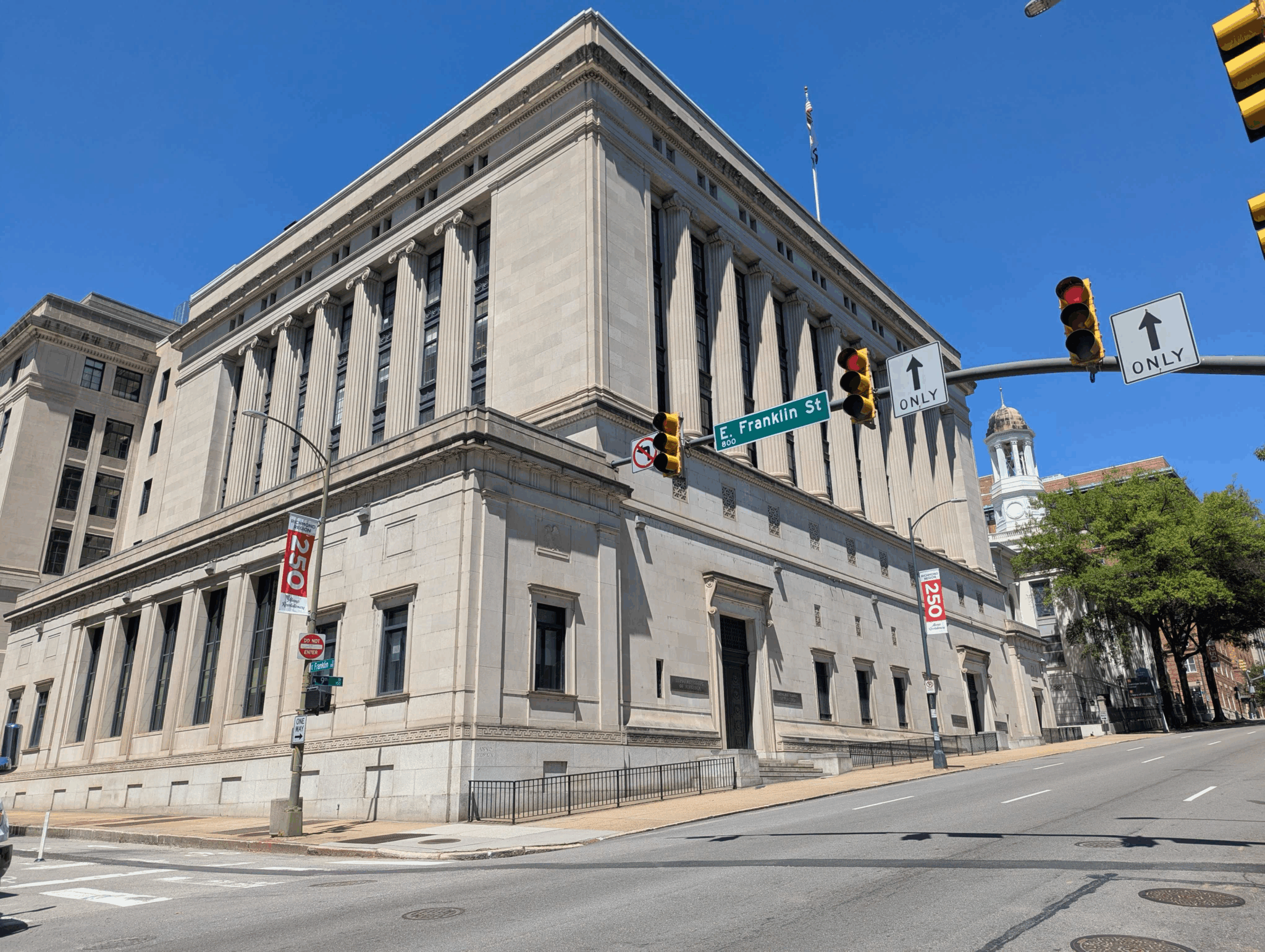
- Holding: The Virginia Supreme Court struck down a voter-approved redistricting amendment — just 24 hours after a special election ratified it — upholding a lower court ruling that the measure was unconstitutional.
- Vote / posture: Lower court ruling affirmed; special election result nullified.
- Why it matters: The decision effectively keeps in place existing congressional maps that strongly favor Republicans, virtually guaranteeing the GOP comes out ahead in the 2026 gerrymandering wars and increases its likelihood of retaining the House. Democrats who backed the amendment as a fairness reform now have no viable path to remap districts before midterms.
Alito VRA Opinion Cited Misleading DOJ Data — U.S. Supreme Court (Post-Decision Analysis)

- Holding: An exclusive Guardian analysis published May 8 found that data from a DOJ filing quoted prominently in Justice Alito's landmark April 29 Voting Rights Act opinion relied on questionable methodology — raising serious questions about the empirical foundation of the majority's legal reasoning.
- Vote / posture: The underlying April 29 ruling (6-3) has already taken effect and is reshaping congressional maps. No formal review pending.
- Why it matters: If the data underpinning the majority's analysis was flawed, it creates potential avenues for future litigation and congressional response. The Court expedited the ruling's effective date, giving Louisiana Republicans an immediate advantage in redrawing their maps ahead of November's midterms. Critics argue the ruling has functionally "demolished" the VRA's Section 2 racial-gerrymandering protections. CBS News reported May 10 that the decision "ushers in a new era of gerrymandering."
11th Circuit Strikes Down Trump Mandatory Immigration Detention Policy — U.S. Court of Appeals, 11th Circuit
- Holding: A divided Eleventh Circuit ruled on May 6 that the Trump administration's no-bond mandatory detention policy for arrested noncitizens violates federal immigration law, joining the Second Circuit in rejecting the practice.
- Vote / posture: Divided panel; deepens a circuit split that increases likelihood of Supreme Court review.
- Why it matters: The ruling blocks a cornerstone of the administration's immigration enforcement strategy in two major circuits. The deepening appellate split on whether the no-bond policy comports with the Immigration and Nationality Act makes Supreme Court review nearly inevitable, likely placing the case before the justices in the next term.
Tech Antitrust & Regulatory Battles
Amazon & Microsoft vs. European Commission — EU Digital Markets Act

- What happened this week: EU regulators announced April 28–29 that they are actively investigating whether Amazon and Microsoft should be designated as DMA "gatekeepers" for their cloud computing services, and are probing whether the DMA can effectively address anticompetitive practices in cloud and AI sectors.
- Stakes: Gatekeeper designation would subject AWS and Azure to the DMA's full suite of behavioral obligations — interoperability mandates, data-sharing requirements, and restrictions on self-preferencing — potentially upending dominant cloud business models across Europe. Fines for DMA violations can reach 10% of global annual turnover, with repeat violations going to 20%.
- Status: Preliminary investigation phase; formal gatekeeper proceedings expected to follow. Separately, Apple was fined €500 million and Meta €200 million in April 2025 for earlier DMA violations, establishing the enforcement precedent.
Starbucks vs. NLRB — U.S. Court of Appeals, Fifth Circuit
- What happened this week: The Fifth Circuit ruled that the NLRB was wrong to find Starbucks violated federal labor law with overly broad subpoenas issued during a separate unfair labor practice case that Starbucks ultimately won.
- Stakes: The ruling narrows NLRB subpoena authority in labor dispute investigations — a significant procedural win for employers contesting organizing campaigns. It also limits the board's ability to gather broad discovery in cases where employers prevail on the underlying merits.
- Status: Fifth Circuit ruling stands; no immediate appeal indicated.
Other Notable Rulings & Enforcement
-
VRA Gerrymandering Cascade — Multiple States: Following the Supreme Court's April 29 VRA ruling, CBS News and The Guardian report (May 10–11) that states across the South are rushing to redraw congressional maps along partisan lines, exploiting the ruling's holding that racial considerations can no longer justify district configurations under Section 2. Advocates say the decision is "ushering in a new era of gerrymandering" with virtually no legal check remaining at the federal level.
-
Patent Office Challenges — Federal Circuit: Bloomberg Law reports that the Federal Circuit has dismissed the first six of a series of mandamus petitions challenging Patent Office procedures without oral argument, emphasizing the high bar such petitioners must clear — including a specific statutory barrier. The dismissals signal the court intends to maintain strong deference to PTO adjudicatory processes through at least the 2026 term.
Case of the Week — Deep Dive
Virginia Supreme Court Strikes Down Voter-Approved Redistricting Amendment
Background: Virginia voters approved a redistricting reform amendment at a May 2026 special election — only to see it struck down by the state Supreme Court within 24 hours. The amendment was designed to reshape congressional district lines in a way that would have benefited Democrats and reduced partisan gerrymandering. A lower court had declared the measure unconstitutional almost immediately after the election results came in, temporarily halting implementation.
What the court said: The Virginia Supreme Court upheld the lower court's ruling, finding the amendment itself unconstitutional. The decision reinstates the existing congressional maps — maps which Politico reports "effectively guarantee the GOP will come out ahead in the gerrymandering wars" heading into the 2026 midterms. The court's opinion was not yet fully published as of May 8, but the effect is immediate: Democratic-leaning map configurations are off the table.
Ripple effects: The decision comes on the heels of the U.S. Supreme Court's April 29 VRA ruling, which eliminated the primary federal tool plaintiffs used to challenge racially coded gerrymanders. Together, these two rulings — one federal, one state — effectively remove both the federal constitutional backstop (VRA Section 2) and the state-level reform mechanism (the voter-approved amendment) from the board simultaneously. Republicans in Virginia now hold an entrenched map advantage almost certainly through the decade. The ruling also puts a sharp spotlight on state constitutional litigation as the last remaining avenue for redistricting reform, though state supreme courts have shown varying willingness to intervene in political gerrymandering cases since the U.S. Supreme Court's 2019 Rucho v. Common Cause decision.
What to Watch Next
-
Mid-May 2026 — Louisiana Congressional Map Deadline (U.S. Supreme Court / State Legislature): Following the Court's expedited VRA ruling, Louisiana must redraw its congressional maps. Watch for the legislature's initial map proposal and any legal challenges under remaining state or constitutional theories.
-
Week of May 18, 2026 — Supreme Court End-of-Term Opinions Window: The Court enters the final stretch of its October 2025 term. Major opinions still pending include cases on administrative agency authority and First Amendment challenges to social-media content-moderation laws passed by Florida and Texas.
-
May–June 2026 — EU DMA Cloud Gatekeeper Proceedings (European Commission): Formal gatekeeper investigation proceedings against Amazon AWS and Microsoft Azure expected to open. EU regulators have flagged AI services as a parallel enforcement priority; watch for preliminary findings on whether existing DMA tools adequately address cloud-market concentration.
-
TBD June 2026 — Immigration Detention Circuit Split (U.S. Supreme Court cert petition): With the 11th and 2nd Circuits now aligned against the administration's no-bond policy and conflicting circuits supporting it, a cert petition to the Supreme Court is widely expected before the end of June. Oral argument could be fast-tracked given the administration's urgency.
Reader Takeaways
-
If you run a business in the EU or use major cloud providers: Amazon and Microsoft cloud services are now in EU regulators' crosshairs under the DMA. If your contracts involve AWS or Azure, begin tracking DMA gatekeeper proceedings — compliance obligations, interoperability mandates, and data-portability requirements could significantly affect cloud service terms within 12–18 months of any formal designation.
-
If you build tech products involving content moderation or AI: The Supreme Court's upcoming end-of-term opinions will likely resolve whether states can legally compel social-media platforms to carry content they wish to moderate — a ruling with enormous implications for product design. Follow the Court's May–June opinion release windows closely.
-
If you're a consumer or voter: The Virginia redistricting ruling and the Supreme Court's VRA decision together mean that federal and state tools for challenging gerrymandered districts are now significantly weaker than they were two weeks ago. Midterm elections in November will be contested on maps drawn without the legal constraints that shaped districts for the past decade — which affects the real-world representation of millions of voters.
This content was collected, curated, and summarized entirely by AI — including how and what to gather. It may contain inaccuracies. Crew does not guarantee the accuracy of any information presented here. Always verify facts on your own before acting on them. Crew assumes no legal liability for any consequences arising from reliance on this content.
Powered by
