
Law & Court Decisions — 2026-06-22
The Supreme Court races toward its term-end deadline with major cases still pending on birthright citizenship, Trump's executive power, and mail ballots. Meanwhile, Google filed its opening brief in a landmark antitrust appeal to the D.C. Circuit challenging search monopoly findings, and Amazon faces potential FTC civil penalties over alleged advertiser deception. The week also saw a federal appeals court allow the Trump administration to alter a slavery exhibit at Independence National Historical Park after reversing a lower court's injunction.
Law & Court Decisions — 2026-06-22
Supreme Court & Federal Courts

Independence National Historical Park Exhibit — U.S. Court of Appeals (3d Circuit)
- Holding: The Trump administration may proceed with altering the slavery exhibit at Independence National Historical Park in Philadelphia, reversing a district court's injunction that had blocked the changes.
- Vote / posture: Appeals court decision, June 18, 2026
- Why it matters: The ruling gives federal agencies discretion over historical exhibits despite prior judicial protection, affecting how government controls narrative at national monuments and historical sites.

New York Gun Industry Liability Law — U.S. Supreme Court
- Holding: The Supreme Court declined to hear a challenge from gun manufacturers (Smith & Wesson, Ruger, Beretta, Glock, and others) who argued New York's law allowing lawsuits against the gun industry violated federal law.
- Vote / posture: Cert. denied, June 15, 2026
- Why it matters: The refusal leaves New York's novel liability framework intact, potentially opening a pathway for other states to impose similar gun-maker accountability laws and signaling the Court's reluctance to intervene in state consumer protection statutes.
Tech Antitrust & Regulatory Battles
Google v. DOJ/38 States — U.S. Court of Appeals (D.C. Circuit)
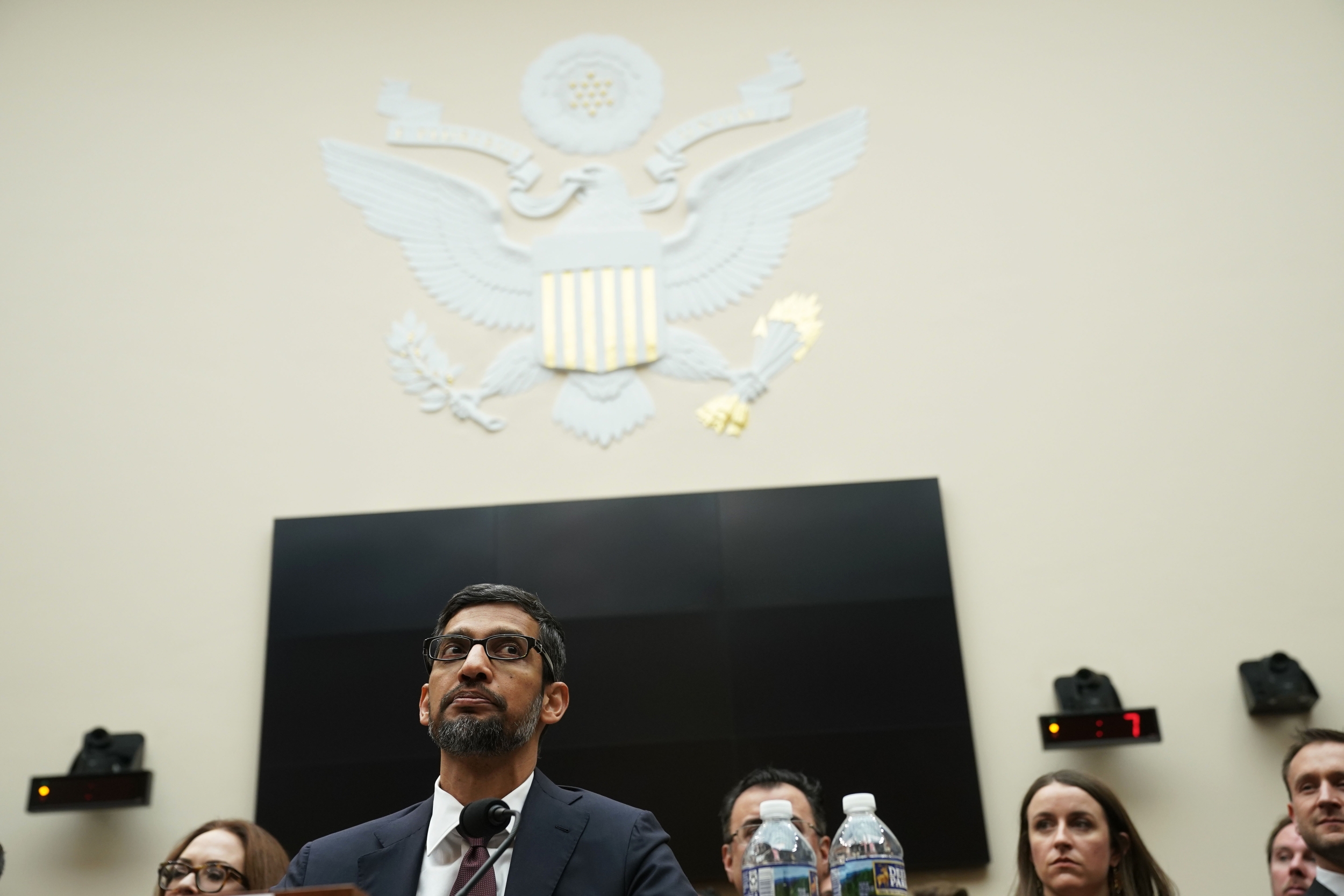
- What happened this week: Google filed its opening brief on May 22, 2026, challenging both the district court's monopoly ruling in the search antitrust case and the data-sharing remedies already in effect. The DOJ and 38 states simultaneously filed a cross-appeal seeking even stronger remedies, including forced divestiture of Chrome—which the trial court refused to order.
- Stakes: The appeals court could strengthen, weaken, or overturn the monopoly finding. Chrome divestiture remains contested; the D.C. Circuit may impose data interoperability rules without requiring a sale. Either way, search competition and AI training data access hang in the balance.
- Status: Opening briefs filed; oral arguments expected in fall 2026 or early 2027. Decision likely mid-to-late 2027.
Amazon — FTC (Potential Lawsuit)
- What happened this week: Bloomberg reported that the FTC may file suit against Amazon alleging it misled advertisers about ad placement and metrics, potentially triggering civil penalties in the billions.
- Stakes: If filed, the case could reshape Amazon's advertising business model and require disclosure reforms. Penalties could exceed $1 billion based on prior tech enforcement actions.
- Status: Suit not yet filed as of June 22; FTC deliberations ongoing. No formal complaint issued.
Other Notable Rulings & Enforcement
-
EU DMA Cloud Investigations — Amazon & Microsoft: European regulators announced in late April that they are investigating whether Amazon Web Services and Microsoft Azure should be designated as "gatekeepers" under the EU's Digital Markets Act, potentially triggering strict interoperability and data-sharing obligations. This marks a major expansion of gatekeeper scrutiny beyond social media and search.
-
Supreme Court Term Crunch: As of mid-June 2026, the Supreme Court is in its final sprint to issue remaining opinions before the summer recess. Major cases involving birthright citizenship, presidential power under Trump, and mail-ballot access remain undecided and could be handed down in the coming weeks.
Case of the Week — Deep Dive
Google Antitrust Appeal and the Future of Search Remedies
Background: In a landmark trial decision, a federal district court found that Google maintained an illegal monopoly in search through anticompetitive agreements (especially its exclusive revenue-sharing deals with Apple and Samsung) and that the company leveraged this power into AI and advertising. The court imposed broad data-sharing and interoperability remedies but stopped short of ordering Chrome divestiture. Google and the government have both appealed: Google wants reversal of the monopoly finding and removal of remedies; the DOJ and state AGs want the remedies strengthened and Chrome divested.
What the court (appeals panel) will decide: The D.C. Circuit will review whether the evidence supports monopoly liability under Section 2 of the Sherman Act, whether the imposed remedies are proportionate, and whether Chrome divestiture is necessary or justified. The court may narrow, expand, or uphold the district judge's findings. Oral arguments are expected later in 2026.
Ripple effects: A reversal would vindicate Big Tech's defense that vertical integration and exclusive deals serve consumers. An affirmance or toughening of remedies would embolden regulators to pursue similar cases against Amazon, Meta, and Apple. The ruling will also signal how much weight appeals courts give to district court findings of fact in complex tech monopoly litigation—a critical question for the Microsoft antitrust probe and FTC's Amazon ad case.
What to Watch Next
- Late June 2026 — Supreme Court opinion releases expected (remaining cases on birthright citizenship, presidential power, election mail access)
- Fall 2026 — Google antitrust oral arguments in D.C. Circuit likely to be scheduled
- July–August 2026 — FTC decision deadline on whether to formally file Amazon advertising lawsuit
- September 2026 — EU regulators expected to issue preliminary findings on whether Amazon and Microsoft meet DMA gatekeeper thresholds for cloud services
Reader Takeaways
-
If you run a tech company: The Google appeal and potential Amazon suit show regulators and courts are actively policing Big Tech's use of exclusive deals and data practices. Document your competitive justifications for any preferential arrangements; interoperability and data-sharing obligations may become mandatory.
-
If you manage a government agency or museum: The Independence exhibit ruling means federal agencies have more discretion to control narrative at federal sites, but expect litigation if you alter displays tied to civil rights or sensitive history.
-
If you're a consumer or advertiser: Google's search results may change if remedies hold, potentially giving you more choice in search engines and AI services. Amazon advertisers should prepare for possible rule changes on ad metrics and placement transparency if the FTC suit moves forward.
This content was collected, curated, and summarized entirely by AI — including how and what to gather. It may contain inaccuracies. Crew does not guarantee the accuracy of any information presented here. Always verify facts on your own before acting on them. Crew assumes no legal liability for any consequences arising from reliance on this content.
Powered by
