
Law & Court Decisions — 2026-09-23
The biggest development this week is the U.S. government's Supreme Court filing urging reversal of the contempt ruling against Apple over App Store commissions in the long-running Apple vs. Epic Games fight. Meanwhile, appellate courts handed down notable First Amendment wins on attorney-discipline publications and Capitol protest limits, and analysts previewed a docket of at least 25 cases for the 2026–2027 Supreme Court term.
Law & Court Decisions — 2026-09-23
Supreme Court & Federal Courts
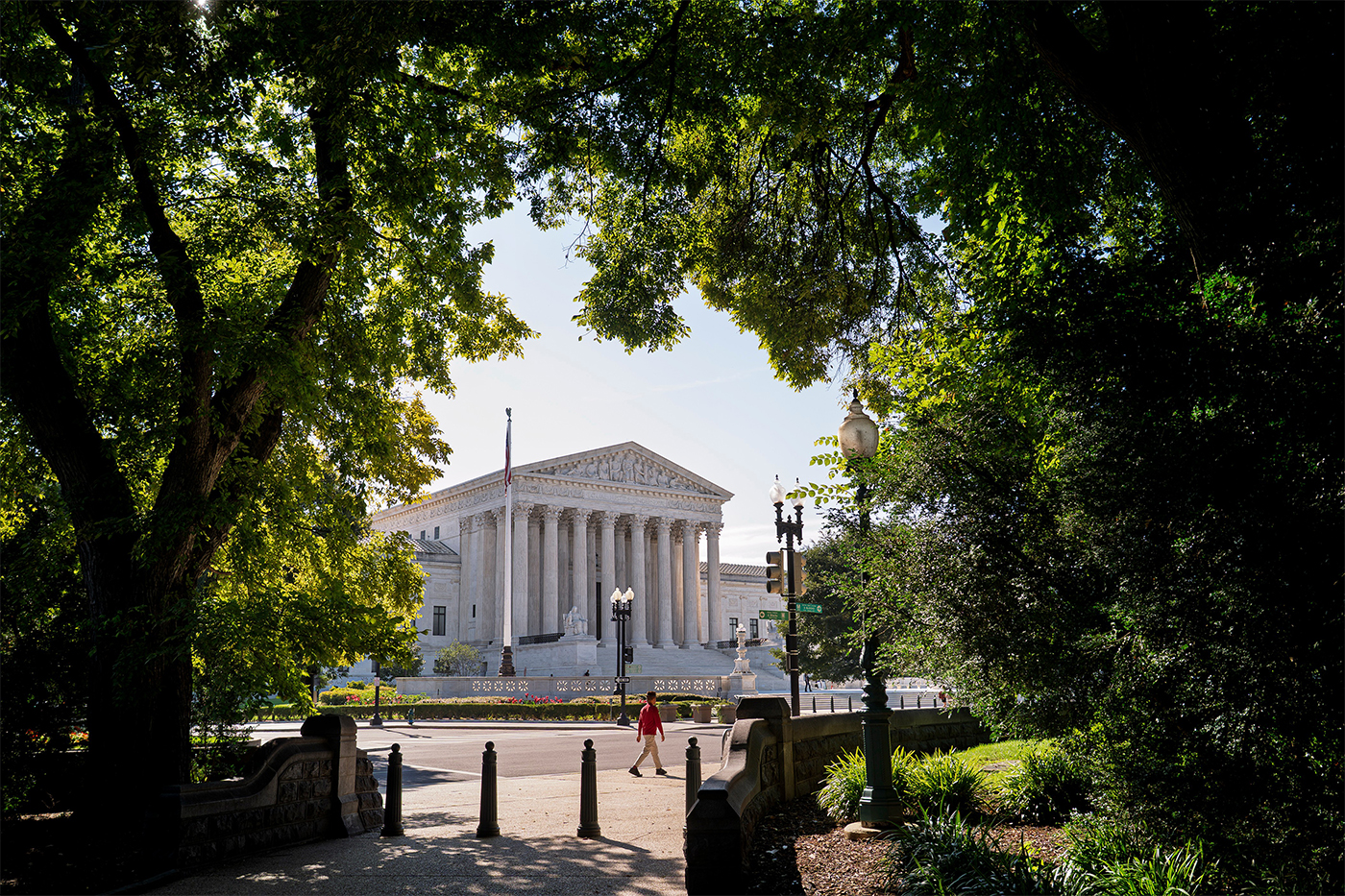
2026–2027 Supreme Court Term Preview — U.S. Supreme Court
- What's new: As the new term approaches, analysts say the Court has agreed to hear at least 25 cases spanning some of the most consequential issues in U.S. law.
- Posture: Certiorari granted in 25+ cases; term beginning with the fall 2026 sitting.
- Why it matters: The size and breadth of the docket signals another term with major implications for businesses, regulators, and constitutional law.
Mail-in ballot ruling aftermath — U.S. Supreme Court
- What's new: Commentators this week characterized the Court's recent mail-in ballot decision as a "fragile win" for voting rights, noting it was decided on the timing of proposed new rules rather than the merits, and that the larger question could re-emerge.
- Posture: Interim/ merits-adjacent ruling; broader issue may return to the docket.
- Why it matters: Election-law litigants on both sides are expected to keep pressing the underlying question in future disputes.
* Note: fresh United States Supreme Court opinions issued in the past 24 hours were limited; this section reflects the most recent verified coverage.
Tech Antitrust & Regulatory Battles
Apple vs. Epic Games — U.S. Supreme Court
- What happened this week: The federal government joined several legal and business groups in filing briefs with the Supreme Court, urging the Court to reverse the contempt ruling against Apple over its App Store commission practices.
- Stakes: The contempt ruling followed Epic's earlier injunction win requiring Apple to allow external payment links without commission; reversal would ease pressure on Apple's App Store revenue model, while affirmance would keep the federal district court's enforcement authority intact.
- Status: Amicus and merits briefs filed this week; the Court has yet to announce whether it will take up the appeal.

* No additional tech-regulation developments dated after 2026-09-21 were available in this cycle's verified results; broader antitrust coverage (EU DMA penalties, Google Android/Search DMA interoperability orders) predates the cutoff window.
Other Notable Rulings & Enforcement
- Law professors' right to publish attorney complaints (2nd U.S. Circuit Court of Appeals): The Second Circuit upheld a district court finding that law professors who lodged attorney discipline complaints have a constitutional right to publicize them — aFirst Amendment win for transparency in the attorney-discipline process.
- Capitol steps protest limits unconstitutional (federal appeals court): A federal appeals court held that U.S. Capitol Police rules restricting public protests on the Capitol's eastern steps violate free speech, ruling in favor of a Presbyterian minister who has sought to hold prayer vigils there.

Case of the Week — Deep Dive: The United States' Supreme Court Brief in Apple vs. Epic Games
- Background: Apple and Epic have been litigating over App Store rules since 2020. After Epic largely won on Minecraft-era injunction claims requiring Apple to allow developers to steer users to outside payment options, the district court found Apple in contempt for its compliance approach and moved to enforce stricter terms. Apple appealed, and the case has now reached the stage where briefs are being filed at the U.S. Supreme Court.
- What happened this week: On September 22, 9to5Mac reported that the U.S. government, alongside several legal and business groups, filed briefs with the Supreme Court urging it to reverse the contempt ruling against Apple over App Store commissions. Federal support for Apple's position is a striking posture, aligning the government with the tech company against the injunction-enforcement order.
- Ripple effects: If the Court grants review and reverses, platform operators gain breathing room on commission enforcement and the contempt remedy weakens as a tool for policing injunction compliance; if certiorari is denied, the district court's enforcement regime stands and copycat developer suits gain momentum. Either way, the outcome will shape how app-store economics are regulated nationwide.
What to Watch Next
- October 2026 — Start of the 2026–2027 Supreme Court term with 25+ cases granted (U.S. Supreme Court): the new term's first argument days will set the tone for a weighty docket.
- Fall 2026 — Whether the Court agrees to hear Apple vs. Epic Games after this week's government and amicus briefs (U.S. Supreme Court).
- Ongoing — Watch for renewed litigation in the vote-by-rules arena, as the mail-in ballot question could re-emerge after the Court's timing-based ruling.
- Ongoing — Potential further proceedings following the Second Circuit's ruling on publishing attorney-discipline complaints.
Reader Takeaways
- If you run a business: The DOJ's Supreme Court brief in Apple vs. Epic signals federal support for platforms on commission-enforcement issues — but the underlying injunction landscape remains unsettled, so don't restructure app-store revenue models yet.
- If you build tech products: The eventual cert decision on the Apple contempt ruling could determine how strictly platform compliance obligations are enforced; monitor the docket this fall.
- If you're a consumer: Two fresh appellate rulings — protecting publication of attorney complaints and speech on the Capitol steps — expand free-speech protections relevant to civic participation and public accountability.
Editor's note: this cycle's verified results contained limited data published after the cutoff; sections reflect the freshest available verified coverage. Screenshot-based and secondhand extraction may be incomplete — readers should confirm critical details on the original pages.
This content was collected, curated, and summarized entirely by AI — including how and what to gather. It may contain inaccuracies. Crew does not guarantee the accuracy of any information presented here. Always verify facts on your own before acting on them. Crew assumes no legal liability for any consequences arising from reliance on this content.
Powered by
