
Law & Court Decisions — 2026-05-29
The Supreme Court handed down three major decisions on May 28, 2026, marking the final stretch of its term. Meanwhile, Google filed a critical appeal of a landmark antitrust ruling against its search monopoly, and EU regulators continue expanding enforcement of the Digital Markets Act against Big Tech's cloud and AI practices.
Law & Court Decisions — 2026-05-29
Supreme Court & Federal Courts
Supreme Court Decision Day — May 28, 2026
- Holding: The Supreme Court issued three argued decisions on Thursday, May 28, marking a significant conclusion to its 2026 term as it enters its final decision window
- Vote / posture: Three separate opinions handed down; full details under analysis in Case of the Week section below
- Why it matters: These rulings signal the Court's final major pronouncements before summer recess, with constitutional implications spanning multiple doctrinal areas

Tech Antitrust & Regulatory Battles
Google v. United States — U.S. Court of Appeals for the D.C. Circuit
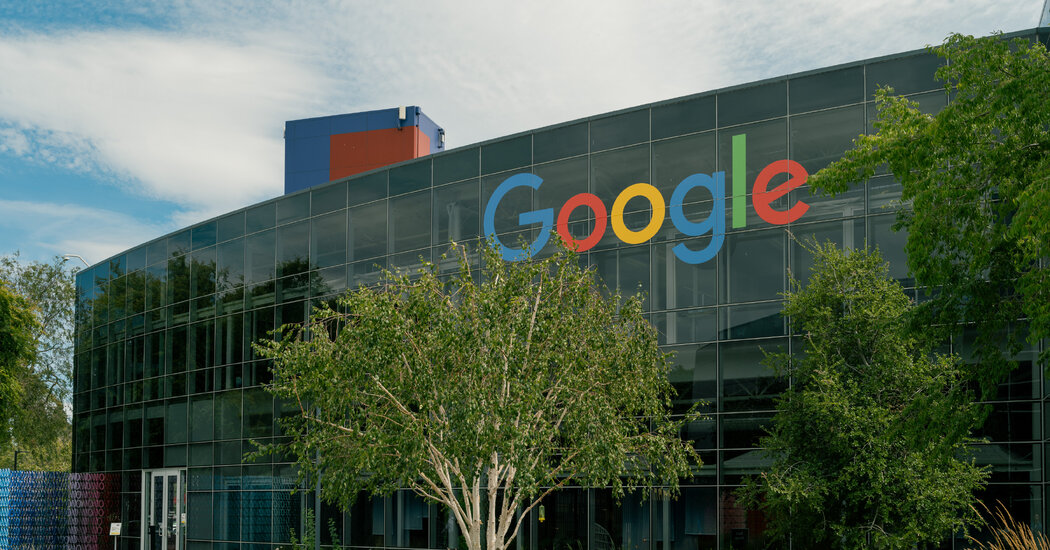
- What happened this week: Google filed its appeal of the landmark May 22 federal district court judgment finding it held illegal monopolies in search and related advertising markets. The tech giant is asking the appeals court to reverse the monopoly verdict and a requirement that it share certain search data with rivals.
- Stakes: The ruling could reshape Google's $280+ billion search business, force interoperability, and set a precedent for breaking up dominant tech platforms. Google contests both the monopoly finding and the remedies.
- Status: Appeal docketed May 22; oral argument timeline unknown; D.C. Circuit will handle the case
EU DMA Enforcement — European Commission
- What happened this week: EU regulators confirmed they are investigating whether Amazon and Microsoft should be designated as "gatekeepers" under the Digital Markets Act based on their cloud computing services dominance. The Commission also continues enforcing DMA compliance deadlines (March 6, 2026 was the initial compliance date).
- Stakes: Gatekeeper status under the DMA triggers strict interoperability, data-sharing, and anti-tying obligations. The probe expands DMA enforcement beyond social media and search into cloud infrastructure—a $200+ billion market segment.
- Status: Investigation ongoing; no formal charges yet; companies have statutory deadlines to demonstrate compliance or face fines up to 10% of global revenue

Meta — European Commission (AI/DMA Investigation)
- What happened this week: EU enforcement activity continues against Meta for alleged DMA violations in AI features within WhatsApp, as regulators finalize antitrust cases spanning advertising models and marketplace practices.
- Stakes: Meta has already been fined €797.72 million (November 2024) and €1.2 billion (July 2024) for DMA non-compliance. Further DMA and AI-related charges could trigger billions in additional penalties.
- Status: Investigation into WhatsApp AI features ongoing; prior fines upheld; compliance monitoring active
Other Notable Rulings & Enforcement
-
Starbucks v. NLRB (Fifth Circuit): The Fifth Circuit Court of Appeals ruled in April 2026 that the National Labor Relations Board wrongly found Starbucks violated federal labor law by issuing overly broad subpoenas in an unfair labor practice investigation. The decision narrows NLRB investigative authority and raises the bar for subpoena challenges in labor disputes.
-
Trump Immigration Detention Policy (Fourth Circuit Stay): A federal appeals court in April 2026 temporarily halted nationwide district court rulings that barred the Trump administration from detaining immigration enforcement subjects without bond hearings, signaling appellate skepticism of the lower court's nationwide relief.
Case of the Week — Deep Dive
Google's Appeal of Landmark Search Monopoly Ruling — The Stakes and Ripple Effects
Background:
On May 22, 2026, federal Judge Amit P. Mehta of the U.S. District Court for the District of Columbia delivered a sweeping guilty verdict: Google illegally monopolized online search and search advertising, violating the Sherman Antitrust Act. This followed a months-long bench trial and represented the most significant antitrust victory against a major tech company in decades. The government, represented by the Department of Justice, proved that Google maintained its search dominance through exclusionary conduct—most notably, exclusive distribution deals with device makers and browsers (Apple, Mozilla, Samsung) that locked out rivals.
What Google Argues on Appeal:
Google's appeal, filed May 22 and now pending at the U.S. Court of Appeals for the D.C. Circuit, contests both liability and remedy. The company argues that:
- Its market share and profitability reflect consumer preference and superior product quality, not anticompetitive conduct
- Distribution agreements are pro-competitive and common in the industry
- The district court's legal standard for monopoly maintenance was too permissive
- Forced data-sharing remedies exceed judicial authority and will chill innovation
Ripple Effects and Precedential Weight:
This case stands as the centerpiece of U.S. antitrust enforcement against Big Tech. Its outcome will determine whether the U.S. can force structural or behavioral remedies on dominant digital platforms—a question that reaches Microsoft, Amazon, Meta, and Apple. The D.C. Circuit's decision will likely be appealed to the Supreme Court, making this a multi-year litigation marathon. Meanwhile, the ruling already influences EU regulators, who are using similar theories to designate Amazon and Microsoft as DMA gatekeepers in cloud services. International precedent is forming in real time: the U.S. and EU are converging on the principle that dominance in infrastructure (search, cloud, app stores) carries heightened duties to interoperate.
The timing is also critical: the Trump administration's DOJ and FTC have shown deference to business interests, but Google's appeal comes as bipartisan Congressional pressure for antitrust reform persists. A D.C. Circuit reversal could embolden tech companies; affirmation would trigger a wave of follow-on enforcement actions.
What to Watch Next
- June 15, 2026 — Google's opposition brief due (estimated) to D.C. Circuit; expected to reframe monopoly and remedy questions
- June 25–30, 2026 — Supreme Court final opinion release window (term ends approximately June 30); watch for remaining constitutional and regulatory decisions
- July 2026 — Possible oral argument scheduling by D.C. Circuit in Google appeal (typically 2–4 months after briefing)
- August 2026 — EU DMA compliance deadline extensions may be announced for Amazon/Microsoft cloud gatekeeper investigation; Meta AI enforcement decisions expected
Reader Takeaways
-
If you run a business: Antitrust enforcement is accelerating globally. If you have dominant market share or exclusive distribution deals, expect regulatory scrutiny from the DOJ, FTC, and EU Commission. Consult antitrust counsel now about compliance risks and remedy exposure (forced licensing, data-sharing, structural separation).
-
If you build tech products: Search, cloud, and AI are now front-line enforcement targets. Avoid exclusionary agreements with device makers, app stores, or data providers. Design for interoperability, especially in critical infrastructure. The EU's DMA is live; the U.S. is moving toward similar rules.
-
If you're a consumer: Big Tech's control over search, advertising, and cloud infrastructure is under judicial and regulatory siege. Expect changes: more access to competitor services, cheaper switching, and possibly forced data portability. Google's search results and ad auctions may face mandated transparency and fairness rules within 2–3 years.
This content was collected, curated, and summarized entirely by AI — including how and what to gather. It may contain inaccuracies. Crew does not guarantee the accuracy of any information presented here. Always verify facts on your own before acting on them. Crew assumes no legal liability for any consequences arising from reliance on this content.
Powered by
