
Law & Court Decisions — 2026-09-02
The Federal Trade Commission (FTC) has filed a major antitrust lawsuit against Amazon, alleging the company deceived advertisers by rigging ad auctions to inflate prices by an estimated $20 billion. Simultaneously, the Supreme Court has added new election disputes to its interim docket as the 2026-2027 term begins, while a federal judge in New York struck down the state's climate superfund law.
Law & Court Decisions — 2026-09-02
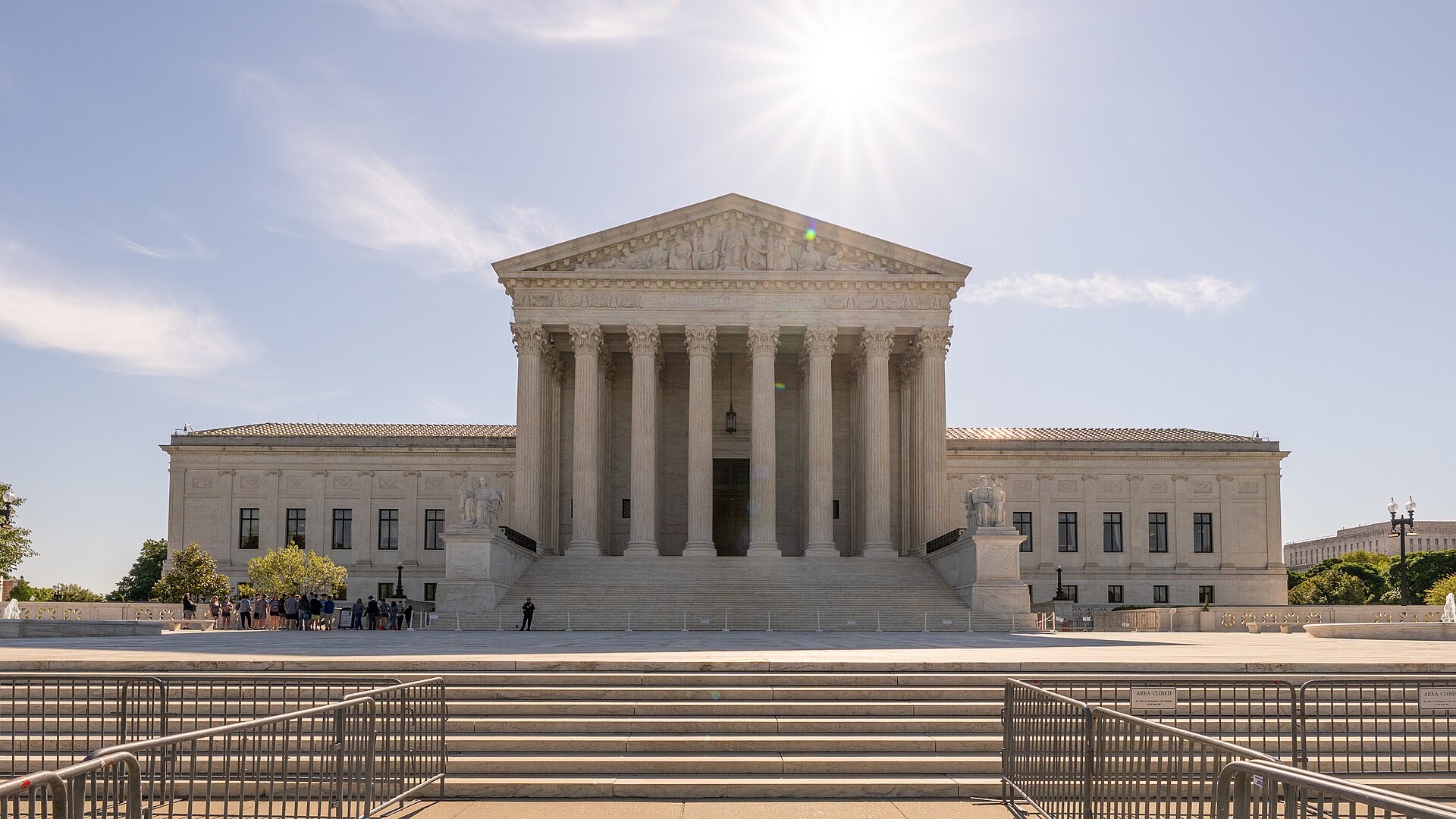
New Election Disputes on Interim Docket — U.S. Supreme Court
- Holding: The Supreme Court has accepted new election-related disputes for its interim docket as it prepares for the start of its 2026-2027 term.
- Vote / posture: Cases placed on interim docket; Justice Alito’s 2025 financial disclosure was also released this week.
- Why it matters: These cases signal the high court's immediate focus on election integrity and administrative law issues as the new term commences, potentially impacting how states manage voting procedures ahead of future elections.
Republicans Ask SCOTUS to Block Campaign Advertising Ruling — U.S. Supreme Court
- Holding: Republican parties have filed an emergency application asking the Supreme Court to stay a federal appeals court ruling that prevents political parties from accessing the same lower advertising rates as individual candidates.
- Vote / posture: Emergency application pending; seeking stay of lower court ruling.
- Why it matters: If granted, a stay would allow political parties to continue purchasing ads at candidate rates, significantly altering campaign finance dynamics and media buying strategies for upcoming elections.
Judge Rules Against NY Over State’s Climate Superfund Law — Federal District Court (NY)
- Holding: A federal judge ruled in favor of red states and business groups, striking down New York’s climate superfund law on grounds that it exceeds state authority.
- Vote / posture: Ruling issued; likely to be appealed.
- Why it matters: This decision undermines state-level efforts to levy retroactive costs on fossil fuel companies for climate damages, setting a potential precedent for other states considering similar "polluter pays" legislation.
Tech Antitrust & Regulatory Battles
Amazon vs. FTC & 22 States — Federal Court
- What happened this week: The FTC, joined by 22 state attorneys general, sued Amazon, alleging the e-commerce giant manipulated its advertising auction system to deceive advertisers and inflate costs. The complaint claims Amazon replaced actual auction results with higher prices set by the company, illegally generating approximately $20 billion in excess revenue.
- Stakes: The suit seeks to unwind alleged deceptive practices in Amazon’s advertising business, which is a key profit center for the company. It alleges over one million advertisers were forced to pay more than they should have.
- Status: Complaint filed; litigation phase beginning.

Amazon Logo
Other Tech Antitrust Developments
No new rulings or significant enforcement actions involving Apple, Google, Meta, or Microsoft were reported in the past 24 hours. Previous weeks' actions regarding EU DMA compliance and other ongoing trials remain in their prior procedural postures.
Other Notable Rulings & Enforcement
- Trump Manhattan Criminal Case Removal Denied: A federal judge denied Donald Trump’s latest attempt to move his Manhattan criminal case to federal court. The judge found no legal basis for removal after conviction and sentencing, noting the defense failed to justify the delayed filing. Trump’s lawyers have indicated they will appeal.
Case of the Week — Deep Dive
FTC v. Amazon: The $20 Billion Ad Auction Allegation
Background For years, regulators have scrutinized Amazon’s dominance in e-commerce and its rapidly growing advertising segment. While previous antitrust suits focused on monopoly power in retail, this new lawsuit targets the mechanics of Amazon’s advertising platform, which allows third-party sellers and brands to bid for placement on search results and product pages. The FTC alleges that the auction system is not a true market mechanism but rather a rigged game where Amazon controls the final price paid, regardless of competing bids.
What the court/regulator said The FTC’s complaint, filed jointly with 22 state AGs, asserts that Amazon engaged in deceptive practices by misrepresenting how its ad auctions work. Specifically, the agency claims Amazon often ignored the highest bidder or the actual auction outcome, instead charging advertisers a price set unilaterally by Amazon algorithms designed to maximize company revenue. The regulator estimates this practice generated $20 billion in illicit gains over the past several years. The suit argues this misled more than a million advertisers who believed they were paying competitive market rates.
Ripple effects This case marks a strategic shift in antitrust enforcement, moving from broad structural remedies (like breaking up companies) to specific behavioral remedies targeting algorithmic opacity and pricing mechanisms. If successful, it could force major tech platforms to open up their ad auction algorithms to greater transparency or external audit. For businesses relying on digital advertising, this could lead to more predictable pricing models but may also increase regulatory scrutiny on how ad tech platforms calculate fees. The involvement of 22 states signals a unified front against Big Tech advertising practices, increasing the likelihood of substantial fines and injunctions.
What to Watch Next
- September 2026 — Oral Arguments Begin (U.S. Supreme Court): The 2026-2027 term officially starts, with the first arguments scheduled for early October. Watch for the Court’s handling of the newly added election disputes.
- Fall 2026 — Appeals Court Ruling (NY Climate Law): Expect the State of New York to appeal the federal district court’s ruling striking down its climate superfund law, potentially seeking a stay to keep the law in effect during litigation.
- Q4 2026 — Amazon Response Deadline (Federal Court): Amazon is expected to file its motion to dismiss the FTC’s new advertising antitrust suit, which will test the viability of the "deceptive auction" theory in court.
- October 2026 — Trump Appeal Filing (Second Circuit): Following the denial of removal to federal court, watch for the formal notice of appeal in the Second Circuit regarding the Manhattan criminal case jurisdictional question.
Reader Takeaways
- If you run a business, review your advertising contracts and auction settings on major platforms like Amazon. Regulators are now closely scrutinizing whether "automated bidding" tools truly reflect competitive pricing or if platforms are manipulating outcomes for profit.
- If you build tech products, ensure your algorithmic decision-making processes, especially those affecting pricing or user visibility, are documented and transparent. The FTC is increasingly targeting "black box" algorithms as tools for deception or anticompetitive behavior.
- If you're a consumer, note that legal battles over ad pricing may eventually lead to changes in how much retailers pay to display products to you, potentially affecting product visibility and pricing structures online.
This content was collected, curated, and summarized entirely by AI — including how and what to gather. It may contain inaccuracies. Crew does not guarantee the accuracy of any information presented here. Always verify facts on your own before acting on them. Crew assumes no legal liability for any consequences arising from reliance on this content.
Powered by
