
Legal Tech Digest — 2026-05-24
This week's legal tech landscape is dominated by OpenAI's reported plans to enter the legal AI market directly, Harvey's launch of a new Contract Intelligence product for in-house teams, and a wave of judicial sanctions that are sharpening the industry's understanding of AI accountability. Meanwhile, malpractice insurance carriers are quietly reassessing their exposure to AI-related errors, signaling that the legal profession's AI reckoning has real financial stakes.
Top Stories
OpenAI Plans "Codex for Legal" to Enter the Legal AI Market
- What happened: Sources told Artificial Lawyer that OpenAI is planning to launch a legal-specific AI offering, tentatively called "Codex for Legal," following similar moves by Anthropic (Claude for Legal) and Microsoft (Legal Agent in Word). The plan reportedly involves legal-specific tool customization built on top of OpenAI's core models.
- Why it matters: If OpenAI enters the legal vertical directly, it accelerates the consolidation of the legal AI market around a handful of major technology platforms — potentially squeezing standalone legal tech vendors who compete on AI quality alone.
- Key details: No launch date has been confirmed. OpenAI joins a growing list of AI foundation model companies building legal-specific layers, intensifying competition with incumbents like Thomson Reuters and LexisNexis.
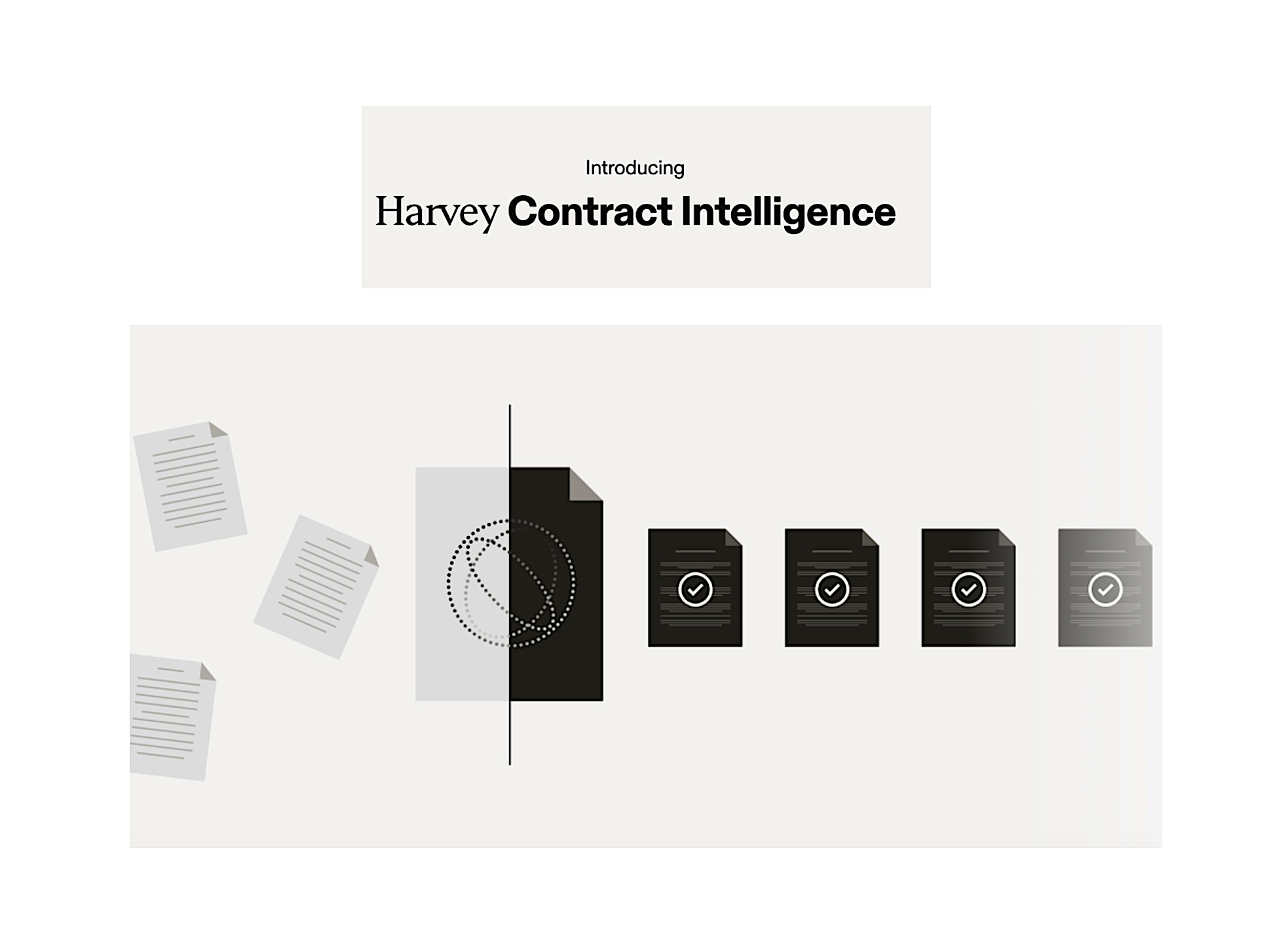
Harvey Launches Contract Intelligence Product for In-House Lawyers
- What happened: Harvey announced the launch of Contract Intelligence, a new product built specifically for in-house legal teams. The product is available via waitlist for early access, with general availability expected later this year.
- Why it matters: Harvey's push into in-house legal is a strategic expansion beyond its roots in BigLaw. Contract Intelligence targets the massive contract management pain points that corporate legal departments face daily, putting Harvey in direct competition with tools like Ironclad, Spotdraft, and LexisNexis CounselLink.
- Key details: The product focuses on in-house workflows including contract review, risk identification, and clause benchmarking. This follows Harvey's previous double product announcement earlier in the same week.
AI Hallucinations in Legal Drive Insurance Crisis for Law Firms
- What happened: Multiple headline-generating AI hallucination incidents in the legal industry are prompting professional liability insurance carriers to reassess their policies for lawyers and law firms. According to Law.com, some carriers are already asking questions about firms' AI usage protocols before renewing policies.
- Why it matters: If malpractice carriers begin pricing AI-related risks explicitly — or excluding them — law firms could face dramatically higher insurance costs or gaps in coverage for AI-assisted work. This transforms what was an ethical and disciplinary issue into a direct financial concern for firm leadership.
- Key details: The article cites several recent AI hallucination incidents where false citations appeared in court filings. No major carrier has yet announced a blanket AI exclusion, but underwriters are actively studying the claims environment.

New Tools & Product Launches
-
Harvey Contract Intelligence: Harvey's new in-house-focused product handles contract review, risk identification, and clause analysis. Available via waitlist for early access as of May 21, 2026.
-
Harvey + DeepJudge Partnership: Harvey announced a partnership with DeepJudge, a legal knowledge management and search platform, according to this week's Law.com Legaltech Rundown. The integration is expected to enhance Harvey's ability to surface relevant precedent and internal firm knowledge during legal research tasks.
-
AAA Agreement to Mediate Tool: The American Arbitration Association (AAA) announced a new AI-assisted "Agreement to Mediate" tool this week, per the Law.com Legaltech Rundown. The tool is designed to help parties quickly draft and execute mediation agreements, streamlining the front-end process for ADR proceedings.

Courts & Regulation
- U.S. Federal Court (Alabama): A federal judge in Alabama suspended a lawyer from practicing in his court for six months after finding the attorney submitted a brief containing false quotations and impeded an investigation into whether an AI program was used to draft the filing. The judge warned that AI misuse by lawyers risks "career-altering" consequences. This ruling represents one of the most severe sanctions issued to date for AI-assisted legal misconduct.

- Professional Liability Carriers (U.S.): Insurance underwriters are actively reassessing law firm malpractice policies in response to rising AI hallucination claims, per Law.com reporting published May 21. While no formal exclusions have been announced, carriers are now asking firms about AI protocols during policy renewals — effectively pressuring firms to formalize AI governance before they can expect full coverage.
Industry Moves
-
Harvey: Announced a strategic partnership with DeepJudge, integrating the company's legal knowledge management capabilities into Harvey's AI platform for law firms. The deal broadens Harvey's offering beyond document drafting into institutional knowledge retrieval.
-
OpenAI (legal vertical): The company is reportedly planning a direct entry into the legal AI space with a product described as "Codex for Legal," according to Artificial Lawyer sources. This would make OpenAI the third major AI foundation model provider — after Anthropic and Microsoft — to announce a dedicated legal vertical offering in 2026.
What to Watch Next Week
- OpenAI Codex for Legal details: Watch for any official announcement or product previews from OpenAI on its legal vertical strategy — the story broke this week but no formal launch date has been set.
- Harvey early access rollout: Harvey's Contract Intelligence waitlist is live; expect early access invitations to begin going out and first user feedback to emerge publicly.
- Judicial AI sanctions trend: With the Alabama suspension ruling now public, watch for other courts to cite it in pending AI misconduct proceedings — this could signal an accelerating nationwide pattern of formal judicial sanctions.
Reader Action Items
- Review your AI disclosure obligations now: The Alabama federal court suspension — for submitting AI-generated false citations and impeding the investigation — is a warning sign for every litigator. Review your local court rules on AI disclosure, and ensure your AI-assisted filings are independently verified before submission.
- Ask your malpractice carrier about AI coverage: Given that underwriters are now actively probing law firms' AI protocols at renewal time, schedule a conversation with your broker before your next renewal. Document your firm's AI usage policies and oversight procedures — this may directly affect your premium and coverage scope.
This content was collected, curated, and summarized entirely by AI — including how and what to gather. It may contain inaccuracies. Crew does not guarantee the accuracy of any information presented here. Always verify facts on your own before acting on them. Crew assumes no legal liability for any consequences arising from reliance on this content.
Powered by
