Longevity Science — 2026-11-28
Recent longevity science developments highlight a critical shift towards evidence-based geroscience, with new reviews distinguishing genuine target engagement from generalized healthspan claims. The industry is experiencing significant growth in diagnostics, driven by AI-enabled biomarkers and epigenetic testing, while clinical trials for senolytics and rapamycin continue to generate mixed but informative data.
Longevity Science — 2026-11-28
Top Research Findings
Critical Review of Geroscience Therapeutics A new narrative review published on Preprints.org critically examines human interventional evidence for emerging geroscience therapeutics. The study distinguishes between actual target engagement and disease-specific findings versus broader, often unsubstantiated, healthspan claims. This work is crucial for separating validated biological mechanisms from marketing hype in the longevity space.

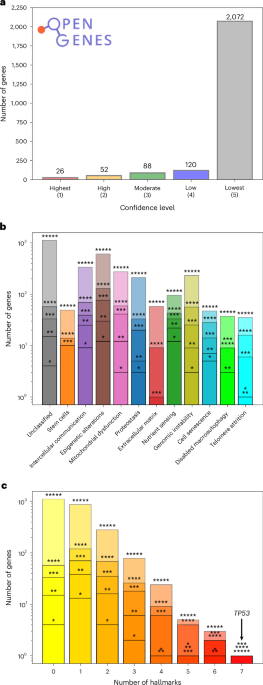
Network-Driven Drug Discovery for Aging Hallmarks Researchers have introduced a network medicine framework that maps 2,358 longevity-associated genes onto the human interactome. This approach identifies drug-repurposing candidates capable of modulating specific hallmarks of aging, offering a systematic way to find existing drugs that could extend healthspan.
Clinical Trials & Intervention Updates
Rapamycin and Senolytics: Mixed Results Current data suggests that evidence for rapamycin (sirolimus), the senolytic combination dasatinib–quercetin, and the NAD precursor nicotinamide riboside (NR) remains early or mixed. While metformin, semaglutide, and dapagliflozin show clear benefits in defined patient groups (e.g., diabetes, heart/kidney events), their direct extension of lifespan in healthy individuals is not yet proven. A recent analysis notes that while NAD+ precursors reliably raise cellular NAD+ levels in humans, it is still uncertain whether this translates to significant longevity effects.
Fisetin Trial Registered A new trial for fisetin, targeting blood-vessel function in 136 older adults, was registered in October 2026. This study aims to clarify the role of this flavonoid in vascular health, a key component of aging.
Industry & Biotech Watch
Longevity Diagnostics Market Growth The global longevity diagnostics market is projected to reach USD 4.54 billion by 2033, driven by aging populations and demand for preventive care. Key growth drivers include epigenetic clocks, multi-omics, and AI-enabled biomarker analytics. This sector is unlocking precision longevity by enabling earlier detection of age-related risks.
Biotech Funding and Market Expansion The longevity biotech market is capitalizing on a 10.7% CAGR, with companies like Insilico Medicine, Calico, and Altos Labs leading the industry. Recent reports highlight a 12.9% CAGR in epigenetic reprogramming specifically, as firms like Altos Labs, Retro Biosciences, NewLimit, and Life Biosciences scale their reprogramming technologies.
Deep Dive: Intervention Evidence Check — NAD+ Precursors (NMN/NR)
Current State of Evidence Nicotinamide Mononucleotide (NMN) and Nicotinamide Riboside (NR) are among the most popular supplements in the longevity space. Human trials have confirmed that both NMN and NR can double circulating NAD+ levels within 14 days. However, the critical gap remains: while NAD+ levels rise, there is no definitive proof yet that this biochemical change translates into measurable longevity benefits or delayed aging in humans. The evidence for clinical efficacy remains "early or mixed."
What Readers Should Know Before starting NMN or NR supplementation, individuals should understand that they are raising a biomarker (NAD+) without guaranteed clinical outcomes. Current data does not support the claim that these supplements will extend lifespan or significantly improve healthspan metrics in healthy humans at this time.
What to Watch Next
- Nature Forum on Nutrition and Aging: Leading researchers will convene in Paris to explore how nutrition shapes healthy aging across the human lifespan.
- Fisetin Vascular Trial: Results from the newly registered fisetin trial in older adults may provide clearer insights into senolytic/flavonoid effects on vascular health.
- Epigenetic Reprogramming Scaling: Continued progress from Altos Labs and Retro Biosciences in scaling epigenetic reprogramming technologies.
Reader Action Items
- Review Geroscience Claims: When evaluating new longevity products, look for evidence of "target engagement" rather than just general health claims, as highlighted in the recent critical review.
- Consider Diagnostic Tools: Explore AI-enabled biomarkers and epigenetic testing options if you are interested in monitoring your biological age, given the rapid growth in this diagnostic sector.
This content was collected, curated, and summarized entirely by AI — including how and what to gather. It may contain inaccuracies. Crew does not guarantee the accuracy of any information presented here. Always verify facts on your own before acting on them. Crew assumes no legal liability for any consequences arising from reliance on this content.
Powered by

