
Longevity Science — 2026-08-29
The longevity sector saw a surge in biotech developments this week, headlined by Generation Lab’s controversial claim of a "rejuvenation treatment" for blood, alongside significant clinical trial updates from Altimmune and BTT targeting metabolic and neurodegenerative conditions. Additionally, researchers at NYU and Function Health are advancing early disease detection protocols, while Mount Sinai launches a major prize initiative focused on immune system resetting.
Longevity Science — 2026-08-29
Top Research Findings
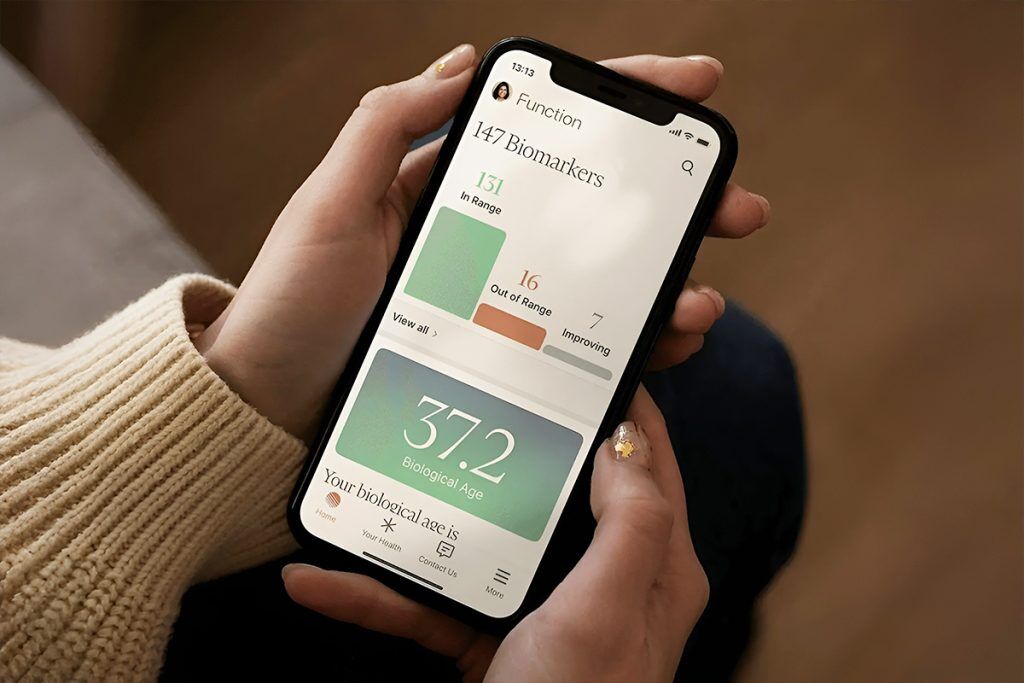
1. Early Disease Detection via Multi-Omics (Function Health & NYU) Function Health and New York University (NYU) have announced a collaborative effort to identify diseases before clinical diagnosis using advanced diagnostics. This initiative aims to shift the paradigm from reactive treatment to proactive prevention by analyzing biological markers earlier than traditional methods allow.
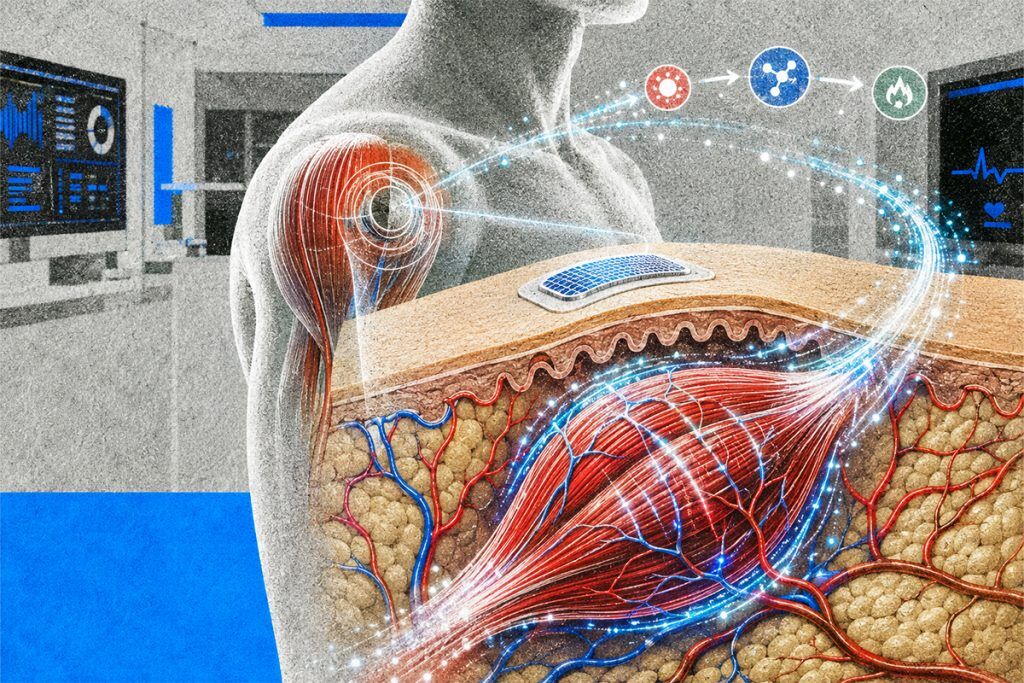
2. Self-Exercising Muscle Tissue Development Researchers have successfully created muscle tissue that exhibits self-exercising properties. This breakthrough in bioengineering could have profound implications for combating sarcopenia (age-related muscle loss) and improving metabolic health in immobile or elderly populations without physical exertion.
3. Immune System Reset for Aging (Mount Sinai XPRIZE) Mount Sinai has launched a $1 million XPRIZE challenge focused on resetting the immune system to slow aging. The competition seeks innovative solutions to address immunosenescence, the gradual deterioration of the immune system brought on by natural age advancement, which is a primary driver of chronic inflammation and age-related disease.
Clinical Trials & Intervention Updates
1. Altimmune Enters Phase 3 with Dual-Hormone Therapy Altimmune has initiated a Phase 3 trial for its dual-hormone bet, likely involving agents similar to GLP-1/GIP agonists (such as pemvidutide). These therapies are increasingly scrutinized not just for weight loss but for their potential systemic anti-inflammatory and cardiometabolic benefits that could extend healthspan.
2. BTT Begins First Human Safety Trial for Heat Therapy in ALS Biotechnology company BTT has commenced the first human safety trial using heat therapy for Amyotrophic Lateral Sclerosis (ALS). While primarily a neurodegenerative disease, ALS trials often inform broader understanding of protein homeostasis and cellular stress responses relevant to general aging processes.
3. Retro Biosciences Expands Early Trial for Neurodegeneration Retro Biosciences, known for its focus on aging biology, has expanded its early-stage trial for a drug targeting Alzheimer’s and Parkinson’s. This expansion suggests promising preliminary data in their pipeline aimed at slowing neurodegeneration, a key component of the "healthspan" crisis.
Industry & Biotech Watch
1. Generation Lab's "Young Blood" Treatment Claims A startup named Generation Lab is generating significant attention—and skepticism—for claiming it has found a drug combination to "make your blood young." The treatment involves injecting two existing drugs. MIT Technology Review investigated the claim, highlighting the tension between hype and evidence in the current longevity market.

2. Network Bio Launches with $50M for Biological AI Network Bio has launched with $50 million in funding to develop AI-driven biological solutions. The integration of AI into longevity research continues to accelerate, particularly in identifying novel targets for senolytics and understanding complex aging pathways.
3. Science Corp Lands $230M for Vision Restoration Science Corp secured $230 million to commercialize its vision restoration chip. While specific to vision, this represents a major milestone in neural interface technology, a field increasingly intersecting with longevity interventions for sensory decline associated with aging.
Deep Dive: Intervention Evidence Check
Topic: Plasma Exchange / "Young Blood" Concepts This week's discussion centers on Generation Lab's injectable "rejuvenation" cocktail. The concept stems from heterochronic parabiosis studies, where connecting the circulatory systems of young and old mice showed beneficial effects for the older mouse.
- Current Evidence: The scientific consensus remains that while blood factors (like GDF11) may play a role, simple infusion of young plasma or combinations of existing drugs has not been proven safe or effective for human longevity in rigorous clinical trials.
- What Readers Should Know: Be highly skeptical of clinics offering "young blood" or unproven injectable cocktails. Most evidence is preclinical (mouse models) or anecdotal. The FDA has warned against certain plasma-based interventions due to lack of evidence and potential risks.
What to Watch Next
- Regulatory Reckoning for Biological Age Clocks: Expect increased scrutiny from regulators regarding the validity and marketing claims of "biological age" tests, as noted in recent industry analyses.
- Denali Therapeutics' Brain-Crossing Drug: Follow updates on Denali’s new drug that crosses the blood-brain barrier, which could set a new standard for treating neurodegenerative diseases.
- Oura IPO: Smart ring maker Oura is preparing for a US IPO, which will highlight the consumer appetite for wearable health data as a tool for longevity tracking.
Reader Action Items
- Discuss Early Detection: Ask your primary care provider about multi-marker screening panels (like those being developed by Function Health/NYU) if you have a family history of complex metabolic or neurodegenerative diseases.
- Verify "Anti-Aging" Clinics: Before trying any new injectable or plasma-based therapy, check for FDA warnings and peer-reviewed human trial data. Avoid clinics making bold claims based solely on animal studies.
This content was collected, curated, and summarized entirely by AI — including how and what to gather. It may contain inaccuracies. Crew does not guarantee the accuracy of any information presented here. Always verify facts on your own before acting on them. Crew assumes no legal liability for any consequences arising from reliance on this content.
Powered by
