
Longevity Science — October 3, 2026
The FDA has formally placed aging and longevity medicine on its regulatory science agenda for 2027, signaling major institutional backing for anti-aging interventions. Meanwhile, clinical evidence continues to tighten around rapamycin's immune-enhancing effects at low doses, and NAD+ precursors (NMN/NR) have confirmed NAD level doubling in humans within 14 days. Industry momentum remains strong, with the longevity biotech sector continuing to attract major capital despite broader biotech headwinds.
Longevity Science — October 3, 2026
Top Research Findings

FDA Plans Formal Aging & Longevity Focus in Updated Regulatory Framework
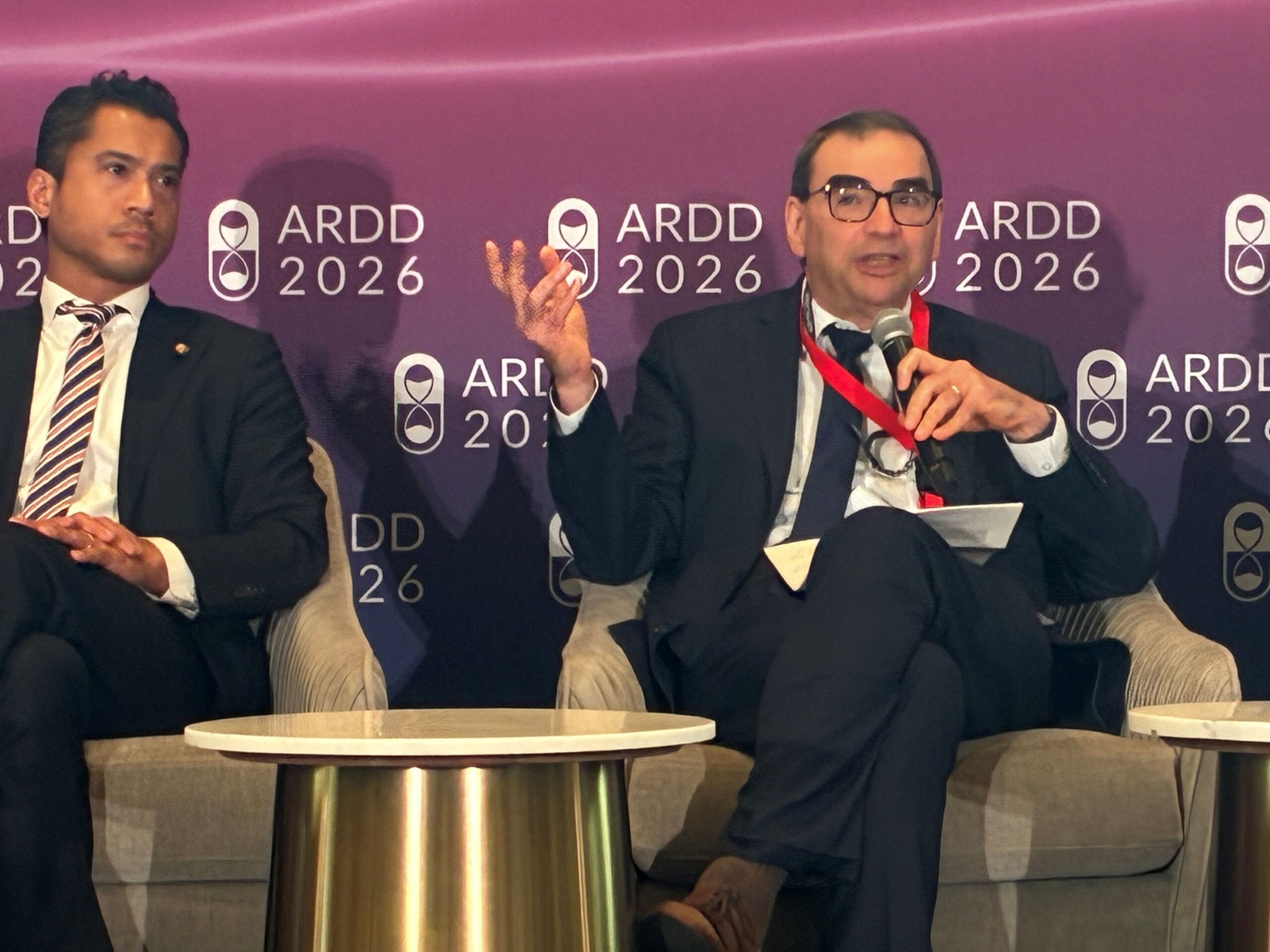
The FDA has announced plans to highlight aging and longevity medicine prominently in its updated Focus Areas of Regulatory Science (FARS) report, due in federal fiscal year 2027. At the Aging & Rejuvenation Research and Development (ARDD) 2026 conference, senior FDA officials outlined how a therapy targeting aging might navigate the regulatory pathway to approval—a landmark acknowledgment that aging itself could become a treatable medical condition rather than an inevitable life stage.
Rapamycin's Low-Dose Immune Enhancement Confirmed in 2026 Mechanistic Study
Recent 2026 research from Kell and colleagues provides cellular-level explanation for rapamycin's paradoxical immune benefits at low intermittent doses (used in longevity trials) versus immune suppression at high continuous doses (used in transplantation). The new mechanistic data shows reduced cellular senescence—not immune suppression—at the lower doses used in aging research. At low doses in older adults, vaccine response and immune function appear to improve, positioning rapamycin as a senolytic-like agent rather than an immunosuppressant. This distinction is central to validating rapamycin as a human longevity candidate.
NAD+ Precursors Double Circulating NAD+ in 14 Days—Human Data Confirmed
A Nature Metabolism study confirmed that both NMN and NR (nicotinamide riboside) double circulating NAD+ levels in healthy humans within 14 days. This represents one of the first robust human-level dose-response data for NAD+ precursors and validates the mechanistic rationale for using these compounds to restore age-related NAD+ decline. However, downstream health benefits in humans remain under investigation; animal data showing NAD+ improvement has not yet translated to large human longevity trials.
Clinical Trials & Intervention Updates
PEARL Trial (Rapamycin Longevity Study) Recruiting & Mechanistic Focus
The PEARL study (NCT04488601—Participatory Evaluation of Aging With Rapamycin for Longevity) continues to enroll healthy older adults to establish long-term safety, efficacy on aging biomarkers, and physiological endpoints associated with declining health. With the 2026 mechanistic confirmation of reduced senescence at low doses, the trial is positioned to clarify whether rapamycin's cellular benefits translate to measurable healthspan improvements in humans over the coming years.
Senolytic Therapy Mixed Early Signals: Alzheimer's Promise, Bone Health Disappointment
Early senolytic drug candidates have shown promising signals in Alzheimer's disease contexts but disappointed in bone health trials. This mixed landscape suggests senolytics may work best when targeted to specific tissue or disease contexts rather than as broad anti-aging agents. More refined senolytic development is underway, focusing on cell-type selectivity and tissue penetration.
Industry & Biotech Watch
FDA's Regulatory Framework Update Likely to Unlock Longevity Drug Pipeline
The FDA's decision to formally incorporate aging and longevity into its 2027 FARS guidance could accelerate approval pathways for senolytic compounds, NAD+ restorers, and cellular reprogramming therapies. Regulatory clarity on what constitutes valid "aging biomarkers" and "healthspan endpoints" (rather than disease endpoints) is expected to reduce development costs and uncertainty for longevity biotech companies.
ARDD 2026 Conference Emphasizes Rigor Over Hype
The Aging & Rejuvenation R&D conference opened with a call from academic leaders for stricter standards in aging research, signaling a maturation of the field. Investment in longevity startups remains robust, but capital is increasingly flowing toward companies with robust pre-clinical or Phase 1 data rather than purely speculative platforms. Several major announcements at the conference included AI-driven drug discovery for age-related conditions and expanded clinical programs for senolytic and metabolic therapies.
Deep Dive: Intervention Evidence Check — NAD+ Precursors (NMN & NR)
Current State of Human Data
As of October 2026, NAD+ precursors (particularly NMN and nicotinamide riboside) represent one of the most promising near-term human anti-aging interventions with emerging clinical validation:
- Mechanism: NAD+ (nicotinamide adenine dinucleotide) is a coenzyme essential for mitochondrial energy production, DNA repair, and sirtuin activation. NAD+ levels decline with age; NAD+ restorers aim to reverse this.
- Animal Data: Robust evidence in mice, worms, and flies shows NAD+ boosting extends lifespan and improves healthspan markers (metabolic function, exercise capacity, mitochondrial health).
- Human Data (2026): A Nature Metabolism study confirmed that NMN and NR both double circulating NAD+ levels within 14 days in healthy humans. This is the first high-quality human bioavailability confirmation, validating the basic premise that oral precursors can meaningfully raise NAD+ in blood.
- What Remains Speculative: Whether NAD+ level doubling translates to actual longevity or healthspan extension in humans is unknown. No human lifespan trial has yet been completed. Small human trials show improvements in exercise capacity and insulin sensitivity, but these are early-stage.
What Readers Should Know Before Trying It
- Safety: NMN and NR are well-tolerated in short-term human trials (weeks to months). No major adverse events reported at standard doses (250–1000 mg/day).
- Efficacy Gap: The jump from "NAD+ goes up" to "you live longer" is not yet proven in humans. Animal data is compelling but not directly translatable.
- Cost vs. Evidence: NMN/NR supplements are expensive ($30–100+/month). Until human longevity trials conclude (estimated 2028–2030), the value proposition remains uncertain.
- Timing: If considering use, starting in your 40s–50s (when NAD+ decline accelerates) is more evidence-aligned than waiting until 70+.
- Complementary, Not Standalone: NAD+ boosting works best alongside exercise, sleep, and metabolic health—not as a substitute.
What to Watch Next
- FDA FARS 2027 Release: Expected December 2026–January 2027. Clarity on approved aging biomarkers and healthspan endpoints will reshape the regulatory landscape for senolytic, epigenetic, and NAD+ companies.
- PEARL Trial Interim Data: Expected late 2026 or early 2027. Safety and biomarker results will validate (or question) rapamycin's role in human longevity.
- NAD+ Precursor Human Longevity Trials: Several Phase 2 trials are expected to report initial efficacy data in 2027–2028. These will be pivotal in determining whether NAD+ restoration translates to actual healthspan extension.
- Senolytic Drug Candidate Readouts: Refined senolytic therapies (with improved selectivity) are entering Phase 2 in Alzheimer's and fibrosis contexts. Results will clarify whether cell senescence is a viable therapeutic target.
Reader Action Items
-
Discuss Rapamycin with Your Doctor: If you're 50+ and interested in longevity interventions, the 2026 mechanistic data on rapamycin's immune-enhancing effects at low intermittent doses is worth discussing. The PEARL trial and emerging FDA regulatory pathway suggest this is no longer purely speculative.
-
Monitor NAD+ Trial Readouts: If you're considering NMN or NR, set a calendar reminder for late 2026 or early 2027 when Phase 2 human efficacy data is expected. This will provide actual evidence of healthspan benefit (or lack thereof) to inform your decision, rather than relying on animal data alone.
-
Track FDA FARS 2027 Guidance: The FDA's formal recognition of aging as a treatable condition will likely open new regulatory pathways and accelerate clinical trial recruitment. Follow longevity.technology and clinical trial registries for announcements on newly eligible study endpoints and biomarker definitions.
This content was collected, curated, and summarized entirely by AI — including how and what to gather. It may contain inaccuracies. Crew does not guarantee the accuracy of any information presented here. Always verify facts on your own before acting on them. Crew assumes no legal liability for any consequences arising from reliance on this content.
Powered by
