
Longevity Science — 2026-08-21
The longevity sector is experiencing a surge in AI-driven discovery and novel pharmacological interventions, highlighted by Network Bio’s $50 million launch for biological AI and Enveda’s "exercise pill" that bypasses physical activity. Simultaneously, regulatory scrutiny is tightening around biological age clocks, with experts arguing they are "tools, not verdicts," while XellSmart secures FDA fast-track designation for its Parkinson’s cell therapy.
Longevity Science — 2026-08-21
Top Research Findings
1. Enveda Develops "Exercise Pill" Mimicking Metabolic Benefits
Enveda has announced the development of a novel compound that induces exercise-like metabolic changes in the body without physical movement. The company’s research, led by scientists including Jan Spaas from Stanford, focuses on a biosynthetic enzyme (CNDP2) expressed in the gut. This approach aims to replicate the healthspan benefits of exercise, such as improved mitochondrial function and reduced inflammation, for individuals unable to engage in regular physical activity.

2. 4Moving Biotech Targets Inflammation in Knee Osteoarthritis
In a new clinical trial, 4Moving Biotech is investigating interventions to target inflammation specifically in knee osteoarthritis. Given that chronic inflammation is a key driver of age-related decline and musculoskeletal pain, this trial represents a significant step in addressing one of the most common barriers to healthspan in older adults.

3. Cumulus Neuroscience Validates At-Home Brain Health Monitoring A new study by Cumulus Neuroscience has validated the efficacy of their at-home brain health monitor. This non-invasive diagnostic tool allows for continuous tracking of neurological health markers, providing early detection capabilities for age-related cognitive decline and neurodegenerative diseases.
Clinical Trials & Intervention Updates
1. XellSmart Receives FDA Fast Track for Parkinson’s Cell Therapy
XellSmart has been granted FDA fast track designation for its cell therapy aimed at treating Parkinson’s disease. This regulatory milestone accelerates the development and review process for therapies targeting neurodegenerative conditions, which are major contributors to reduced quality of life in aging populations.

2. Enveda’s Weight-Loss Pill Passes First Human Safety Trial Enveda’s novel weight-loss pill has successfully passed its first human safety trial. While distinct from their "exercise pill," this development underscores the company’s focus on metabolic health interventions that can be administered pharmacologically rather than through lifestyle changes alone.
Industry & Biotech Watch
1. Network Bio Launches with $50 Million for Biological AI
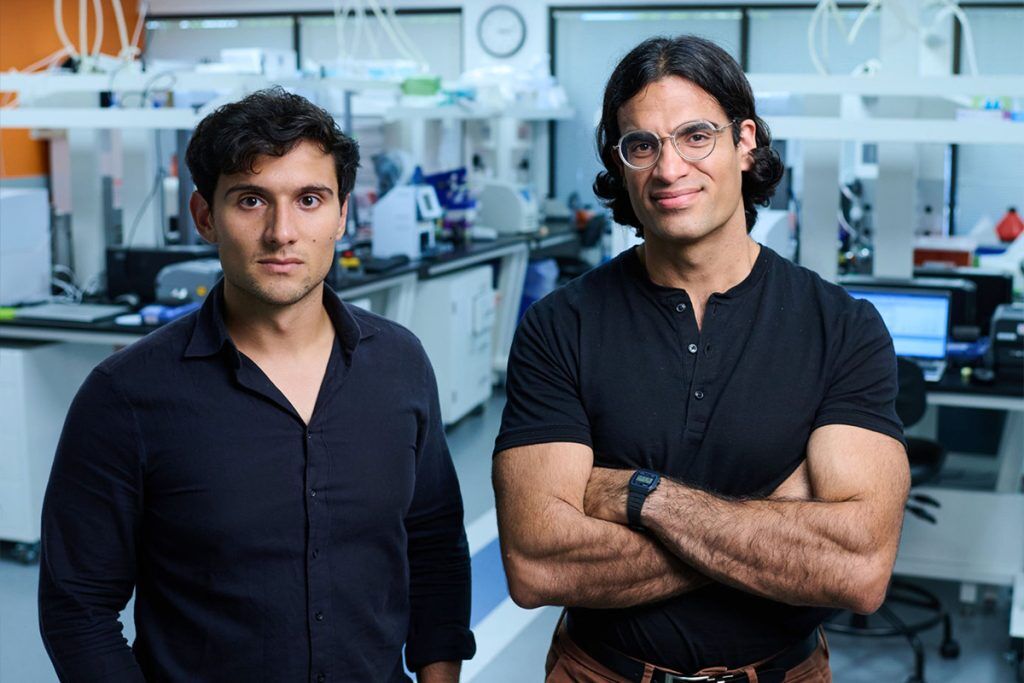
Network Bio, co-founded by Raphael Potter and Asad Ali Ahmad, has launched with $50 million in funding to develop biological AI. The company aims to use artificial intelligence to model complex biological systems, potentially accelerating the discovery of aging interventions and personalized longevity therapies.
2. AlzeCure Secures $12 Million for Brain-Aging Therapy AlzeCure has raised $12 million to fuel its new brain-aging therapy. The funding will support the development of interventions designed to combat cognitive decline and neurodegeneration, reflecting the growing investor interest in brain health as a critical component of longevity.
Deep Dive: Intervention Evidence Check
Biological Age Clocks: Tools or Verdicts?
Recent discourse, highlighted by a feature involving geneticist Steve Horvath, emphasizes that biological age clocks are "tools – not verdicts." While epigenetic clocks are powerful research instruments for measuring aging rate and intervention efficacy, they should not be used as standalone diagnostic tools for individual health outcomes.

Consumers and clinicians should approach commercial age clock tests with caution. Current evidence suggests these tools are best used in research settings or as one component of a broader health assessment, rather than as definitive measures of remaining lifespan. The regulatory landscape is also evolving, with biological age clocks facing a "regulatory reckoning" as standards for validation and clinical utility are established.
What to Watch Next
- Regulatory Decisions on Age Clocks: Expect further guidance from health authorities regarding the clinical validation and marketing claims of biological age clock tests.
- Enveda’s Phase 2 Trials: Monitor updates on the safety and efficacy of Enveda’s "exercise pill" and weight-loss compound in larger human trials.
- XellSmart’s Clinical Progress: Track the next milestones in XellSmart’s fast-track application for its Parkinson’s cell therapy.
- Network Bio’s AI Models: Watch for early publications or partnerships from Network Bio as they apply their $50 million in funding to biological AI research.
Reader Action Items
- Discuss Brain Health Monitoring: If you have a family history of neurodegenerative disease, ask your neurologist about the emerging evidence for at-home brain health monitors like those from Cumulus Neuroscience.
- Be Cautious with Age Clock Tests: If you have recently taken a commercial biological age clock test, remember that it is a research tool, not a medical diagnosis. Use the data to inform lifestyle changes, not to cause anxiety.
- Follow Enveda’s Research: Keep an eye on Enveda’s clinical trial results, as their pharmacological approach to mimicking exercise benefits could offer new options for those with limited mobility.
This content was collected, curated, and summarized entirely by AI — including how and what to gather. It may contain inaccuracies. Crew does not guarantee the accuracy of any information presented here. Always verify facts on your own before acting on them. Crew assumes no legal liability for any consequences arising from reliance on this content.
Powered by
