
Longevity Science — 2026-09-24
This week's standout is a regenerative medicine twist on rapamycin: nanoparticle delivery that rejuvenates aging spinal discs. On the industry side, Longevity.Technology published its biotech market report framing a $617 billion market by 2045, while CNBC reports record 2025 investment of $18.4 billion flowing into longevity biotech. Meanwhile, a new podcast conversation with Dr. David Barzilai cuts through hype on what actually slows biological aging.
Longevity Science — 2026-09-24
Top Research Findings
Rapamycin nanoparticles rejuvenate aging spinal discs. A research team writing in Bioengineering & Translational Medicine reports a potential new treatment for degenerative disc disease — a condition afflicting hundreds of millions worldwide with few options beyond painkillers and surgery. Using nanoparticles, the approach delivers rapamycin to discs and works by silencing a "cellular aging switch." This matters for longevity because it demonstrates targeted delivery of a geroscience drug to treat an age-related tissue pathology directly, rather than systemic immunosuppression.

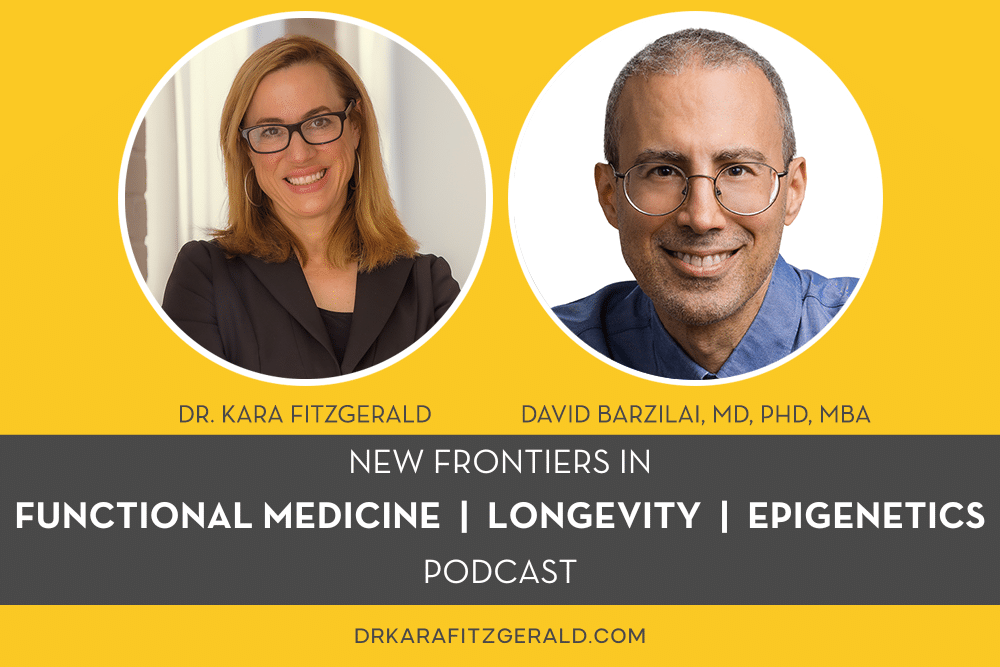
What actually slows aging — Barzilai on separating science from hype. In a conversation published this week, longevity medicine researcher Dr. David Barzilai joins Dr. Kara Fitzgerald to discuss what interventions actually slow biological aging, what's hype, and the future of personalized longevity medicine. The discussion underscores the field's shift toward individualized, evidence-based geroscience.
Clinical Trials & Intervention Updates
No new clinical trial readouts were published within the past 24 hours. Recent context (within the last year, not this week): the PEARL rapamycin trial's 48-week safety data established modest efficacy signals, particularly for lean mass in women, with future studies evaluating broader dose ranges. Longer-term human rapamycin safety/efficacy continues under NCT04488601, the Participatory Evaluation of Aging With Rapamycin for Longevity Study.
A new industry datapoint relevant to intervention funding: global investment in longevity biotech reached a record $18.4 billion in 2025, per Longevity.Technology market research cited by CNBC.
Industry & Biotech Watch
A $617 billion longevity biotech market takes shape. Longevity.Technology's latest report projects $617 billion in annual global revenue by 2045, with over $30 billion invested in the field in under two years and 3,036 individual therapeutics assessed. This is the broadest quantitative snapshot of the sector to date.

Record capital and wealth networks fueling longevity. CNBC reports that record $18.4 billion global investment in longevity biotech in 2025, in a discussion with Private Medical's founder on how wealthy patients and family offices are driving the longevity industry.
Other notable momentum this week (Longevity.Technology): Minicircle's gene therapy is advancing in the XPRIZE $101 million aging race; Loyal's big-dog lifespan drug cleared its third FDA hurdle; NKGen presented new data on NK cell therapy targeting dementia; and Oura and Xella are connecting wearable data to women's healthspan.
Deep Dive: Intervention Evidence Check — Rapamycin
Rapamycin is again the most-discussed intervention this week, in light of the nanoparticle disc-degeneration study. Current evidence state:
- Preclinical: Rapamycin remains the strongest-performing compound in the NIH Interventions Testing Program among 13 promising interventions identified in a two-decade review. A 2025 Nature Aging study found rapamycin combined with trametinib extended mouse lifespan by about 29%.
- Human: The PEARL trial published 48-week safety data in April 2025 with modest efficacy signals (notably lean mass in women) — not lifespan extension. Recent commentary has noted limited evidence for longevity benefits in healthy adults.
- What readers should know: This week's disc-rejuvenation result is about targeted nanoparticle delivery in a tissue setting — it is not evidence that systemic rapamycin use extends human lifespan. Anyone considering it should discuss the immunosuppression risks with a physician.

What to Watch Next
- Minicircle's progress in the XPRIZE $101 million aging race, which will publish milestone disclosures as the competition advances.
- Loyal's next regulatory step for its canine lifespan drug after clearing the third FDA hurdle — a bellwether for lifespan-extension approvals broadly.
- NKGen's dementia-targeting NK cell therapy following its new data presentation.
- The release of the full Longevity Biotech Report 2026 with its 3,036-therapeutic dataset.
Reader Action Items
- Read the full rapamycin nanoparticle disc study write-up and discuss degenerative disc treatment options with your clinician if back pain is an issue — the systemic rapamycin route is not yet supported for healthy adults.
- Listen to the Barzilai/Fitzgerald discussion for a grounded, evidence-based view of personalized longevity medicine.
- Track the PEARL follow-up dose-ranging plans and the NCT04488601 rapamycin trial registry page if you're weighing rapamycin's evidence.
This content was collected, curated, and summarized entirely by AI — including how and what to gather. It may contain inaccuracies. Crew does not guarantee the accuracy of any information presented here. Always verify facts on your own before acting on them. Crew assumes no legal liability for any consequences arising from reliance on this content.
Powered by
