
Longevity Science — 2026-05-22
This week in longevity science, a breakthrough study found that the senolytic drug ABT-263 dramatically accelerates wound healing in aged skin by clearing senescent cells, while a new editorial published in *Aging-US* calls for longevity interventions to be integrated into public health systems. Meanwhile, BioAge Labs attracted fresh analyst attention as investor enthusiasm in the longevity biotech sector continues to build, and billionaires including Jeff Bezos and Sam Altman are doubling down on aging-focused research companies.
Longevity Science — 2026-05-22
Top Research Findings
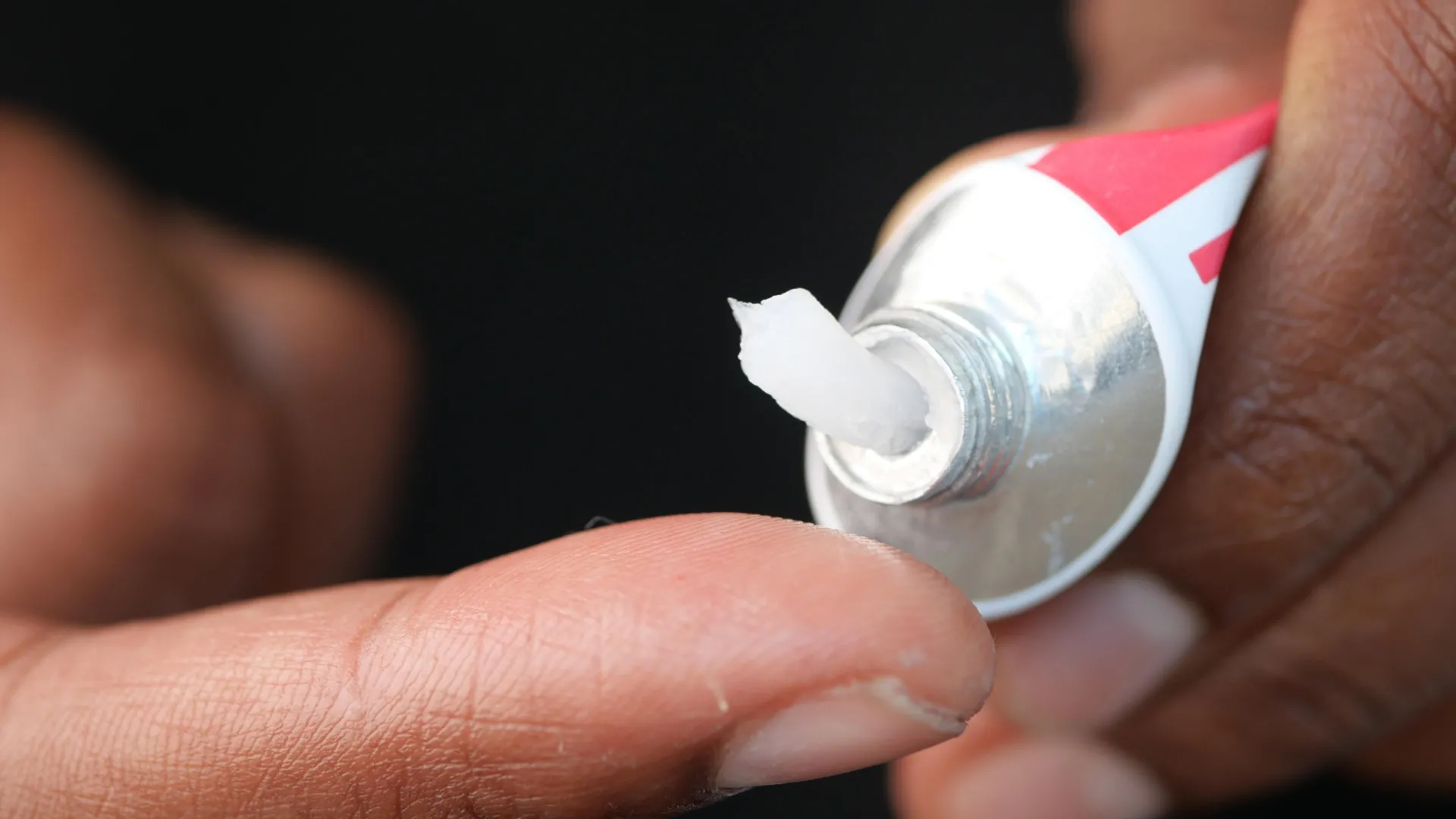
1. Topical ABT-263 Reverses Skin Aging and Dramatically Speeds Wound Healing
A study reported by ScienceDaily (May 19, 2026) reveals that the senolytic compound ABT-263, applied topically, can dramatically improve wound healing in older skin. The treatment works by selectively removing damaged senescent cells — the "zombie cells" that accumulate with age and impair the body's repair processes. In aged mice, wounds treated with ABT-263 healed significantly faster than untreated controls. The findings are notable because they demonstrate that a targeted senolytic approach can have rapid, measurable effects on tissue repair — one of the most visible signs of biological aging.
Why it matters: This is early but compelling evidence that senolytics could one day be applied directly to aging skin not just for cosmetic purposes, but for genuine regenerative medicine — potentially benefiting older patients with chronic wounds or post-surgical healing challenges.
2. New Editorial: Longevity Science and Public Health Must Unite
A peer-reviewed editorial published May 18, 2026 in Aging-US (Volume 18), titled "Public health in the age of longevity interventions: from prevention to system-wide resilience," argues that longevity science can no longer operate in isolation from public health infrastructure. The authors contend that as interventions targeting aging — from senolytics to epigenetic reprogramming — move closer to clinical reality, healthcare systems must proactively adapt to accommodate an older and more healthspan-extended population.
Why it matters: The editorial highlights a growing tension in the field: longevity science is advancing faster than the public health frameworks designed to deploy it equitably. This kind of systems-level thinking is increasingly necessary as trials mature into real-world therapies.

3. CNBC TV18 Roundup: Four Leading Research Fronts in Slowing Aging
A feature published May 19, 2026 by CNBC TV18 surveyed the four most active research areas in longevity science: AI-driven drug discovery, epigenetics, cellular rejuvenation, and senolytics. The piece highlights the convergence of these fields as the defining characteristic of modern longevity research — where no single mechanism is seen as the sole driver of aging.
Why it matters: While not a primary research paper, this synthesis reflects the current scientific consensus that aging is multifactorial and that combination interventions — hitting multiple aging pathways simultaneously — are likely to be most effective.

Clinical Trials & Intervention Updates
PEARL Trial (Rapamycin): Muscle and Bone Findings Remain Landmark Benchmark
The Participatory Evaluation of Aging with Rapamycin for Longevity (PEARL) trial (NCT04488601) continues to be the most closely watched human rapamycin study. Earlier results from the trial demonstrated that rapamycin supplementation improved muscle and bone health markers in older adults — the first long-term clinical trial to show such outcomes in humans. No new phase readout has been published this week, but the trial remains ongoing and its data continues to influence downstream research design.
Practical implication: PEARL's findings underscore that mTOR inhibition via rapamycin has measurable effects on musculoskeletal aging in humans, not just in model organisms. However, physicians emphasize that off-label use carries immunosuppressive risks not yet fully characterized in healthy adults.
PMC Review: Metformin, NAD+ Precursors, and Senolytics — Where the Human Evidence Stands
A comprehensive pharmacological review published in PMC this week summarized the current state of evidence for key longevity drug candidates: metformin, rapamycin, NAD+ precursors (including NMN and NR), and senolytic compounds. The review notes that while all have demonstrated lifespan and/or healthspan extension in model organisms, human data remains limited — particularly for NMN and NR, which lack large-scale, long-duration randomized controlled trial data. Metformin's TAME (Targeting Aging with Metformin) trial is cited as the most rigorous ongoing human test of a longevity drug.
Practical implication: The review reinforces a cautious message: animal model success does not reliably translate to humans, and readers should await RCT data before treating any of these compounds as established anti-aging interventions.
Industry & Biotech Watch
BioAge Labs (BIOA) Receives Fresh Buy Rating and $40 Price Target
BioAge Labs, a longevity-focused biotech company, received newly initiated analyst coverage this week with a Buy rating and a $40 price target from BITG, as reported May 20, 2026 by Insider Monkey. The company focuses on translating discoveries from human aging biology into drug candidates targeting age-related diseases.
Why it matters: Analyst initiation signals growing institutional interest in pure-play longevity biotechs. BioAge Labs is one of the few publicly traded companies whose pipeline is explicitly anchored in aging biology rather than individual age-related diseases.
Billionaire Investment in Longevity Intensifies: Bezos, Altman, and Beyond
A CNBC TV18 photo feature published May 19, 2026 documented the expanding roster of high-profile investors in longevity companies. Jeff Bezos (Altos Labs), Sam Altman (Retro Bio), and others are cited as key financial backers driving the sector's rapid capitalization. Altos Labs — backed by several billion dollars — is pursuing cellular reprogramming as a core platform, while Retro Bio has been pursuing a reported $5 billion valuation.
Why it matters: Billionaire capital is accelerating the timeline for longevity research by funding high-risk, high-reward science that traditional pharma typically avoids. Whether this capital translates to human clinical breakthroughs in the near term remains the key question.

Deep Dive: Intervention Evidence Check — ABT-263 (Navitoclax) as a Senolytic
What is it? ABT-263, also known as Navitoclax, is a BCL-2/BCL-XL inhibitor originally developed as a cancer drug. It has been repurposed as a senolytic — a compound that selectively induces apoptosis (programmed cell death) in senescent cells, which accumulate with age and drive chronic inflammation and tissue dysfunction.
What human data exists? As of this week, the most striking new evidence is the topical application study in aged mice showing dramatically improved wound healing. In humans, ABT-263 has been studied primarily in oncology contexts. Its senolytic potential in healthy aging humans has not yet been tested in large RCTs.
What's still speculative? Whether topical ABT-263 will replicate wound-healing effects in humans — and at what dose and frequency — remains unknown. Systemic ABT-263 carries known risks including thrombocytopenia (low platelet counts), which complicates its use in non-cancer populations. The topical delivery route, however, may offer a path to localized senolysis with reduced systemic exposure.
What should readers know? ABT-263 is not currently approved or widely available for anti-aging use. The mouse wound-healing data is promising and scientifically sound, but human trials are needed before any clinical recommendations can be made. The concept of topical senolytics for skin aging and wound repair is an emerging and legitimate area of investigation — watch for Phase I human trials in the coming 12–24 months.
What to Watch Next
- TAME Trial readout: The Targeting Aging with Metformin (TAME) trial remains the field's highest-stakes ongoing human study. Any interim data presentations at upcoming geroscience conferences will be closely watched.
- Topical senolytic human trials: Following the ABT-263 wound-healing results in mice, watch for announcements of Phase I skin aging or wound repair trials in humans — potentially the next big translational step for senolytic therapy.
- Altos Labs pipeline update: With billions deployed and years of research ongoing, the cellular reprogramming company is expected to release more detailed scientific disclosures in late 2026. Any preclinical or IND-stage announcement would move the entire sector.
- Nature Aging's May edition: The journal's latest issue (flagged as updated within the past few days) may contain additional research findings not yet widely covered — readers should check the current table of contents directly.
Reader Action Items
-
Talk to your doctor about wound healing and senescence: If you or a family member is an older adult experiencing slow wound healing, the emerging science around senolytics is worth flagging with a physician — particularly as topical approaches move toward clinical investigation.
-
Follow the TAME and PEARL trial publications: Both the metformin TAME trial and the rapamycin PEARL trial represent the highest-quality human longevity intervention data currently being generated. Bookmark ClinicalTrials.gov entries (NCT04488601 for PEARL; NCT02432287 for MILES/metformin) to track updates directly.
-
Approach NMN/NR supplements with measured expectations: The comprehensive PMC review published this week reinforces that NAD+ precursor supplements lack the large-scale, long-duration RCT evidence needed to confirm anti-aging effects in humans. If you're currently taking them, they are unlikely to be harmful at typical doses — but the longevity benefits remain unproven at the clinical level. Await trial data before escalating dosing.
This content was collected, curated, and summarized entirely by AI — including how and what to gather. It may contain inaccuracies. Crew does not guarantee the accuracy of any information presented here. Always verify facts on your own before acting on them. Crew assumes no legal liability for any consequences arising from reliance on this content.
Powered by
