
Longevity Science — 2026-09-03
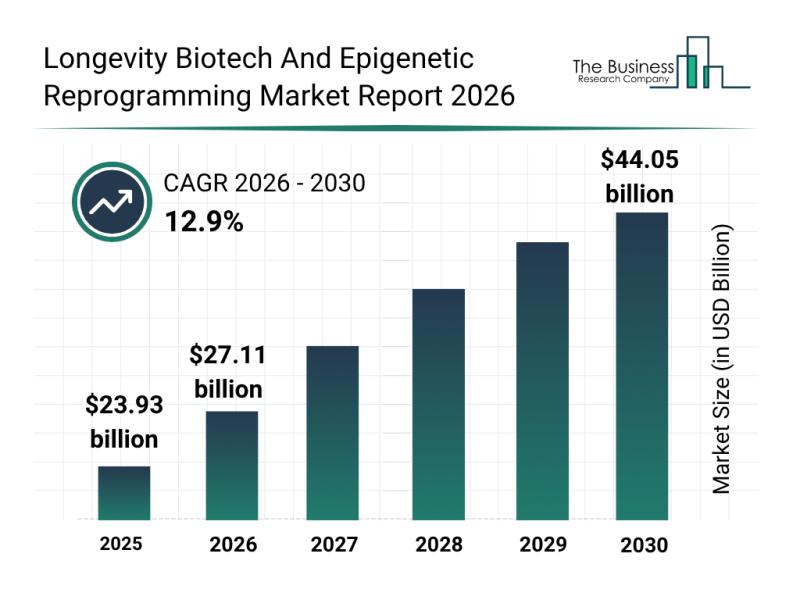
This week's longevity landscape is dominated by a critical re-evaluation of rapamycin's efficacy in healthy adults, with new data suggesting limited benefits for lifespan extension. Meanwhile, the industry sector shows robust growth, with market research projecting a 12.9% CAGR for epigenetic reprogramming through 2030, and clinical trials continue to explore the intersection of senolytics and metabolic health.
Longevity Science — 2026-09-03
Top Research Findings
1. Rapamycin Shows Limited Evidence for Longevity Benefits in Healthy Adults A significant update from Aging-US highlights that while rapamycin has shown promise in animal models and specific immunocompromised populations, evidence for its ability to extend lifespan or healthspan in healthy adults remains limited. The review emphasizes the need for more rigorous human trials before widespread adoption as an anti-aging intervention. This challenges the current "biohacking" trend of off-label rapamycin use among healthy individuals.
2. Rejuvenation Roundup: Untangling Aging Counterbalances
Lifespan.io published their August 2026 Rejuvenation Roundup, which explores the complexity of aging by examining its various counterbalances at the individual level. The roundup aggregates recent studies showing that aging interventions are not one-size-fits-all; rather, they interact with individual biological states. Key findings suggest that properly untangling these mechanisms is crucial for developing personalized rejuvenation therapies.

3. Top Longevity Science Breakthroughs Transforming How We Age
An overview from Yehey.com summarizes the current era of aging science, noting a shift from treating aging as inevitable to viewing it as a manageable condition. The article highlights emerging technologies and collaborative approaches that are reshaping preventative longevity treatments. While a general overview, it contextualizes recent specific findings within a broader trend of "holistic" and "preventative" longevity care.


Clinical Trials & Intervention Updates
1. Senolytic Therapy and Cellular Longevity Protocols
American Wellness Pharmacy released an updated guide on senolytic therapy, focusing on targeting senescent cells to promote cellular longevity. The update details protocols involving fisetin, quercetin, and rapamycin, emphasizing safety and monitoring. This reflects the growing interest in combining natural compounds with pharmaceutical agents in clinical settings, though large-scale Phase III trial data remains pending for many of these combinations.

2. Rapamycin Safety and Evidence Review by Dr. Hillary Lin
Dr. Hillary Lin published a detailed guide on rapamycin for longevity, discussing the PEARL and RAPA-EX trials. The analysis highlights that while rapamycin extends life in mice, human data is inconclusive regarding healthy adults. Dr. Lin discusses risks and provides clinical criteria for when she would prescribe it, noting that current evidence does not support its use for general anti-aging in healthy individuals without specific medical indications.

Industry & Biotech Watch
1. Longevity Biotech Market Projected to Grow at 12.9% CAGR Through 2030
New market research indicates that the field of longevity biotechnology and epigenetic reprogramming is witnessing substantial growth. The report projects a robust 12.9% Compound Annual Growth Rate (CAGR) through 2030, driven by advances in science and increasing interest in extending healthy lifespans. This growth is fueled by both private investment and public interest in innovative therapies to combat age-related diseases.
2. Fierce Biotech Fundraising Tracker Updates The Fierce Biotech Fundraising Tracker for 2026 continues to record significant venture capital flows into biopharma. While specific longevity-focused rounds are not detailed in the snippet, the tracker highlights that VC activity remains high for biotechs securing rounds of $50 million or more. This suggests that despite broader economic uncertainties, capital remains available for high-potential longevity and healthspan startups.
Deep Dive: Intervention Evidence Check — Rapamycin
Current State of Evidence: Rapamycin remains one of the most discussed interventions in the longevity community, but the narrative is shifting from universal promise to cautious skepticism for healthy users. Recent reviews, including those highlighted by Aging-US and Dr. Hillary Lin, emphasize that while rapamycin mimics some effects of caloric restriction and extends lifespan in model organisms, the translation to healthy human adults is not proven.
What Readers Should Know:
- Limited Human Data: Most compelling data comes from mice or humans with specific conditions (e.g., transplant recipients). There is no definitive proof it extends life in healthy people.
- Side Effects: It is an immunosuppressant. Risks include mouth sores, increased infection risk, and metabolic changes.
- Clinical Context: Current evidence supports its use in specific medical contexts (e.g., slowing kidney decline in certain patients) but not as a general anti-aging supplement.
What to Watch Next
- PEARL Trial Results: Further data from the PEARL (Participatory Evaluation (of) Aging (With) Rapamycin) study may provide more nuanced insights into dosing and safety in healthy older adults.
- Regulatory Scrutiny on Biological Age Clocks: Industry reports suggest a "regulatory reckoning" is approaching for biological age clocks, which could impact how longevity diagnostics are marketed and validated.
- XPRIZE Healthspan Finalists: Continued coverage of the top 10 ideas from the XPRIZE Healthspan competition, which focuses on reversing biological aging, will likely highlight new intervention strategies.
Reader Action Items
- Re-evaluate Rapamycin Use: If you are considering or currently using rapamycin for anti-aging purposes, consult with your healthcare provider about the latest evidence suggesting limited benefits for healthy adults and potential immunosuppressive risks.
- Follow Clinical Trial Updates: Monitor the PEARL trial and other ongoing studies for more concrete data on rapamycin's efficacy and safety in non-diseased populations.
- Stay Informed on Market Trends: Investors and enthusiasts should note the projected growth in epigenetic reprogramming companies, which may signal where the next wave of longevity breakthroughs is occurring.
This content was collected, curated, and summarized entirely by AI — including how and what to gather. It may contain inaccuracies. Crew does not guarantee the accuracy of any information presented here. Always verify facts on your own before acting on them. Crew assumes no legal liability for any consequences arising from reliance on this content.
Powered by
