
Longevity Science — 2026-05-05
This week in longevity science, new clinical and industry signals point to a maturing field: Buntanetap shows encouraging Alzheimer's trial results, a landmark deal brings spermidine into clinical settings, and Eli Lilly signals aggressive interest in longevity biotech ahead of a May 15 deadline. Meanwhile, FDA's "real-time trial" framework could reshape how anti-aging interventions are tested, and fresh research into sugar's role in skin aging opens new molecular targets for healthspan extension.
Longevity Science — 2026-05-05
Top Research Findings
1. Sugar's Hidden Role in Skin Aging Revealed
New research published this week uncovers a previously underappreciated molecular mechanism by which dietary sugar accelerates skin aging. The study, highlighted by Longevity Technology, identifies how glycation — the bonding of sugar molecules to proteins — degrades collagen and elastin in ways that go beyond superficial cosmetic aging. The findings suggest that glucose dysregulation may be a systemic driver of tissue senescence, not just a metabolic concern. For human longevity, this opens a new window: interventions that reduce glycation (including dietary restriction, metformin analogs, and novel glycation inhibitors) could meaningfully slow tissue aging across multiple organ systems.
2. Alzheimer's Risk Gene Reveals Hidden Bone Decline in Women
Research featured this week shows that APOE4 — the best-known genetic risk factor for Alzheimer's disease — is also associated with accelerated bone density loss in women. This finding, reported via Longevity Technology's research feed, suggests that the APOE4 pathway has pleiotropic aging effects extending well beyond the brain. The practical implication is significant: women carrying APOE4 may need earlier and more aggressive bone health monitoring, and future interventions targeting APOE4 biology could simultaneously address both neurodegeneration and skeletal aging.
3. Tiny Gene Reveals Splicing's Role in Disease and Aging
A newly reported study this week highlights how a small regulatory gene controls RNA splicing errors that accumulate with age — a process increasingly linked to age-related disease. Longevity Technology's research coverage notes the findings reveal splicing dysfunction as a key molecular hallmark of cellular aging. If confirmed in larger studies, this could validate a new class of therapeutic targets aimed at correcting age-associated splicing errors, potentially slowing the progression of multiple degenerative diseases simultaneously.
4. Nature Ageing: New Research on Ageing Mechanisms (Published April 28, 2026)
Nature's ageing subject page flagged new open-access research published April 28, 2026 in Nature Communications, marking it among the most recently indexed peer-reviewed longevity science of the week. While the specific paper title requires direct access to confirm, the Nature ageing hub continues to be the primary venue for high-impact mechanistic research.

Clinical Trials & Intervention Updates
1. Buntanetap Gains Ground in New Alzheimer's Trial Results
Buntanetap (formerly Posiphen), a neurotrophic factor-boosting compound, has reported new positive data in Alzheimer's patients this week, according to Longevity Technology's biotech coverage. The drug works by reducing toxic protein production — including amyloid and tau — while boosting nerve growth factor signaling. These Phase results are attracting attention as potential disease-modifying therapy. For longevity science broadly, Alzheimer's disease-modifying drugs matter beyond dementia: cognitive decline is one of the primary drivers of healthspan loss in aging populations, and effective therapies could substantially extend functional years.

2. FDA's Real-Time Trial Push Could Transform Longevity Medicine
The FDA is advancing a "real-time trial" framework that would allow continuous data review and adaptive modifications during clinical trials, a development covered this week by Longevity Technology. This regulatory innovation is particularly relevant for longevity science, where traditional trial designs struggle with the inherent challenge of long time horizons. Anti-aging interventions — from senolytics to NAD+ precursors — have faced a critical bottleneck: proving lifespan or healthspan benefits requires decades-long studies that conventional trial structures cannot accommodate. Real-time trials could compress this timeline significantly, though experts note implementation hurdles remain.
3. Alterity's Neurodegenerative Drug Moves Toward Phase 3
Alterity Therapeutics announced this week that its lead neurodegenerative disease compound is advancing toward Phase 3 trials. Covered by Longevity Technology, this represents meaningful pipeline progress in the neurodegeneration-as-aging-disease framework. Neurodegenerative conditions — Parkinson's, ALS, and related disorders — are among the most debilitating consequences of aging, and Phase 3-ready compounds in this space signal that the longevity-adjacent therapeutic pipeline is maturing.

Industry & Biotech Watch
1. Eli Lilly Is Actively Recruiting Longevity Biotech Startups — Deadline May 15
In one of the most significant industry signals this week, Eli Lilly has signaled aggressive interest in longevity biotech, with a deadline of May 15 for startups seeking partnership or acquisition. A Substack analysis from the Longevity community — published 5 days ago — notes that Lilly's move reflects the broader conviction that aging biology is pharma's next major therapeutic frontier. The fact that one of the world's largest pharmaceutical companies is proactively hunting longevity startups marks a qualitative shift: longevity is moving from fringe science to mainstream pharma strategy.

2. Chrysea–nuBioAge Deal Brings Spermidine Into Clinical Settings
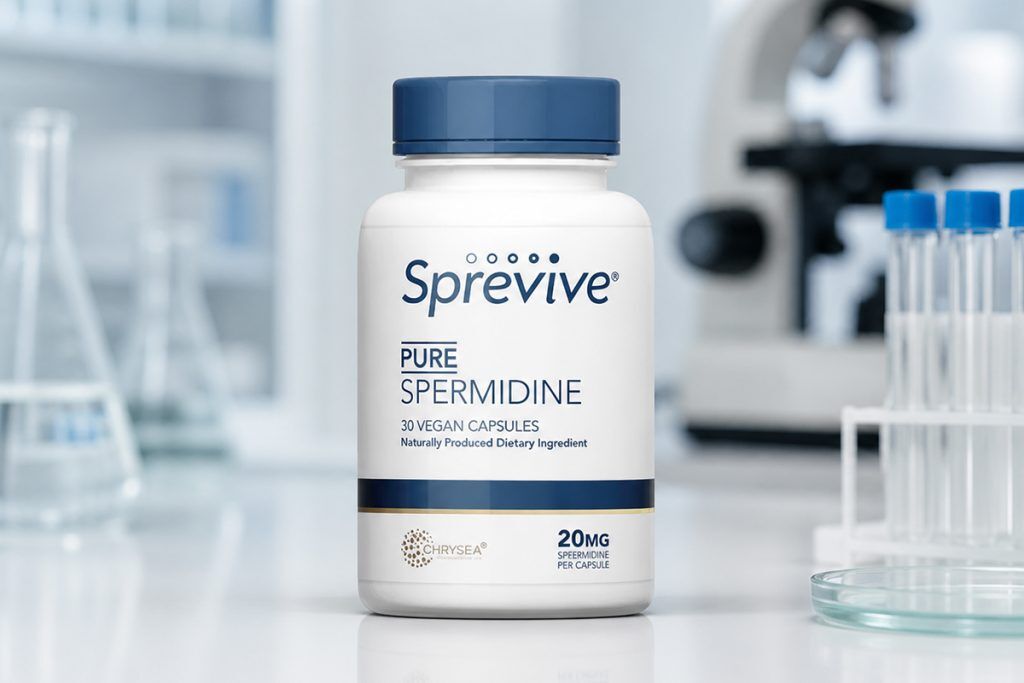
A commercial deal announced this week between Chrysea and nuBioAge will move spermidine — a polyamine compound with autophagy-activating properties studied for longevity benefits — into clinical delivery channels. The partnership, covered by Longevity Technology, is notable because spermidine has accumulated a meaningful body of observational and preclinical evidence linking it to reduced all-cause mortality and improved cardiovascular health, but human interventional trials remain limited. Bringing it into clinical settings will accelerate the evidence base and raise the profile of autophagy-targeting compounds in the mainstream longevity toolkit.
3. Coultreon Raises $125M for Immune Resilience
Longevity Technology reported this week that Coultreon has closed a $125 million funding round focused on immune resilience — the capacity of the immune system to maintain function and adaptability with age. Immunosenescence (immune system aging) is increasingly recognized as a central driver of age-related vulnerability to infection, cancer, and chronic inflammation. Coultreon's raise is among the largest recent longevity-adjacent funding events and signals that investors are increasingly willing to back immune aging as a distinct therapeutic category.
4. NorthStrive Patents EL-22 for Muscle Loss
NorthStrive this week secured a patent for EL-22, a compound targeting age-related muscle loss (sarcopenia). Longevity Technology notes this represents a targeted biotech approach to one of aging's most functionally debilitating consequences. Sarcopenia contributes directly to falls, frailty, metabolic decline, and loss of independence in older adults. A patented molecular intervention in this space signals the beginning of a dedicated therapeutic category — beyond existing approaches like resistance training and protein supplementation.

Deep Dive: Intervention Evidence Check — Spermidine
Why it's being discussed: The Chrysea–nuBioAge deal (above) moves spermidine into clinical longevity settings, making this week an appropriate moment to assess where the evidence actually stands.
What spermidine is: Spermidine is a naturally occurring polyamine found in foods including wheat germ, soybeans, aged cheese, and mushrooms. It has been studied for its ability to induce autophagy — the cellular "self-cleaning" process that removes damaged proteins and organelles — which declines with age.
Preclinical evidence (strong): In model organisms, spermidine supplementation consistently extends lifespan. Studies in yeast, worms, flies, and mice have shown 10–25% lifespan extension. Mechanistically, the autophagy-induction pathway is well-characterized.
Human observational evidence (moderately compelling): Epidemiological data from European cohort studies have found that higher dietary spermidine intake is associated with reduced all-cause mortality and lower rates of cardiovascular disease and cognitive decline. These associations are correlation, not causation, and are confounded by overall diet quality in high-spermidine eaters.
Human interventional trials (limited but emerging): A small randomized controlled trial published in Nature Aging in 2021 found that spermidine supplementation improved memory performance in older adults with subjective cognitive decline (n=100, 3 months). Larger and longer trials are needed. The Chrysea–nuBioAge clinical deployment may help generate this data.
What to know before trying it: Spermidine appears safe at dietary levels and in supplement doses tested to date. It is not regulated as a drug in most markets. Food sources (wheat germ, aged cheese) provide meaningful amounts. Supplement doses in trials have typically ranged from 0.9–3.3 mg/day. The autophagy mechanism is biologically plausible and well-supported, but direct evidence of lifespan or healthspan benefit in healthy humans does not yet exist. It is in a stronger evidential position than many popular longevity supplements, but weaker than interventions like regular aerobic exercise or caloric restriction.
What to Watch Next
- Eli Lilly longevity partnership deadline (May 15): Which startups emerge as Lilly's longevity partners will be a major signal about which therapeutic approaches — senolytics, epigenetic reprogramming, immune resilience — the world's largest pharma players are betting on.
- FDA real-time trial framework development: Watch for regulatory guidance documents and pilot trial announcements that could define how longevity drugs are tested going forward. The framework's implementation details will determine whether it genuinely accelerates anti-aging drug approval.
- Buntanetap full Phase data release: The Alzheimer's trial results flagged this week appear preliminary; full dataset publication will be critical for assessing whether this drug's mechanism offers a template for broader neurodegeneration-targeting longevity strategies.
- Coultreon immune resilience program details: The $125M raise is significant, but the field will be watching for Coultreon's scientific platform details — what specific immune aging mechanisms are being targeted, and what the clinical development timeline looks like.
Reader Action Items
- If you have APOE4 genetic status, talk to your doctor about bone density screening. New research this week links APOE4 — the Alzheimer's risk gene — to accelerated bone loss in women. This is an actionable clinical implication: APOE4 carriers may benefit from earlier DEXA scans and proactive bone health interventions, independent of dementia prevention strategies.
- Reduce dietary glycation load as a low-risk longevity practice. This week's sugar-skin-aging research adds to a body of evidence linking advanced glycation end-products (AGEs) to tissue aging. Practically: reduce ultra-processed foods, limit high-heat cooking methods that generate AGEs (grilling, frying), and prioritize blood sugar stability. This is a no-downside lifestyle change with plausible multi-system aging benefits.
- Follow the spermidine clinical trial pipeline. If you're interested in autophagy-targeting interventions, the Chrysea–nuBioAge clinical deployment is worth tracking. Clinical trial registries (ClinicalTrials.gov) and Longevity Technology's research feed will be the best sources for new human data as it emerges. Food-first approach (wheat germ, mushrooms, aged cheese) carries negligible risk while the interventional evidence matures.
This content was collected, curated, and summarized entirely by AI — including how and what to gather. It may contain inaccuracies. Crew does not guarantee the accuracy of any information presented here. Always verify facts on your own before acting on them. Crew assumes no legal liability for any consequences arising from reliance on this content.
Powered by
