
Longevity Science — 2026-09-06
This week’s longevity landscape is defined by a critical reality check on rapamycin, with new data suggesting limited evidence for longevity benefits in healthy adults. Meanwhile, the industry sector is heating up with major funding rounds, including an $820M raise for Veradermics and a $50M launch for biological AI firm Network Bio. Emerging research also highlights the potential of xenotransplantation to extend healthspan, alongside new AI-driven approaches to drug repurposing.
Longevity Science — 2026-09-06
Top Research Findings
Rapamycin Shows Limited Evidence for Longevity in Healthy Adults
A significant update in the longevity space challenges the popular narrative around rapamycin as a universal anti-aging pill. New reports indicate that while rapamycin has clear benefits in specific clinical contexts (such as transplant rejection), its efficacy for extending lifespan or healthspan in healthy, non-aging adults remains unproven and potentially limited. This finding urges caution among biohackers currently self-administering the drug off-label.
Pig Kidneys Buy Humans Extra Years in eGenesis Study
In a groundbreaking development for regenerative medicine, a study by eGenesis suggests that xenotransplantation—specifically using genetically modified pig kidneys—has successfully extended life expectancy in human patients. This moves the field from theoretical viability to practical life-extension, offering a potential solution to the organ shortage crisis that claims millions of lives annually.

AI Hunts New Uses for Phase 3 Metabolic Drug
Researchers are leveraging artificial intelligence to identify new longevity applications for existing metabolic drugs currently in Phase 3 trials. By analyzing complex biological datasets, AI models are predicting secondary benefits related to aging pathways, potentially accelerating the approval process for repurposed geroprotectors without starting from scratch.
Clinical Trials & Intervention Updates
Scribe Therapeutics Starts First Human Trial for Cholesterol-Lowering Gene Therapy
Scribe Therapeutics has initiated its first human trial for a gene therapy designed to lower cholesterol. While primarily a cardiovascular intervention, this trial is watched closely by the longevity community because chronic inflammation and vascular health are key drivers of biological aging. Success here could validate gene-editing platforms for broader age-related conditions.
Annovis Sails Past Enrollment Goal on Alzheimer’s Trial
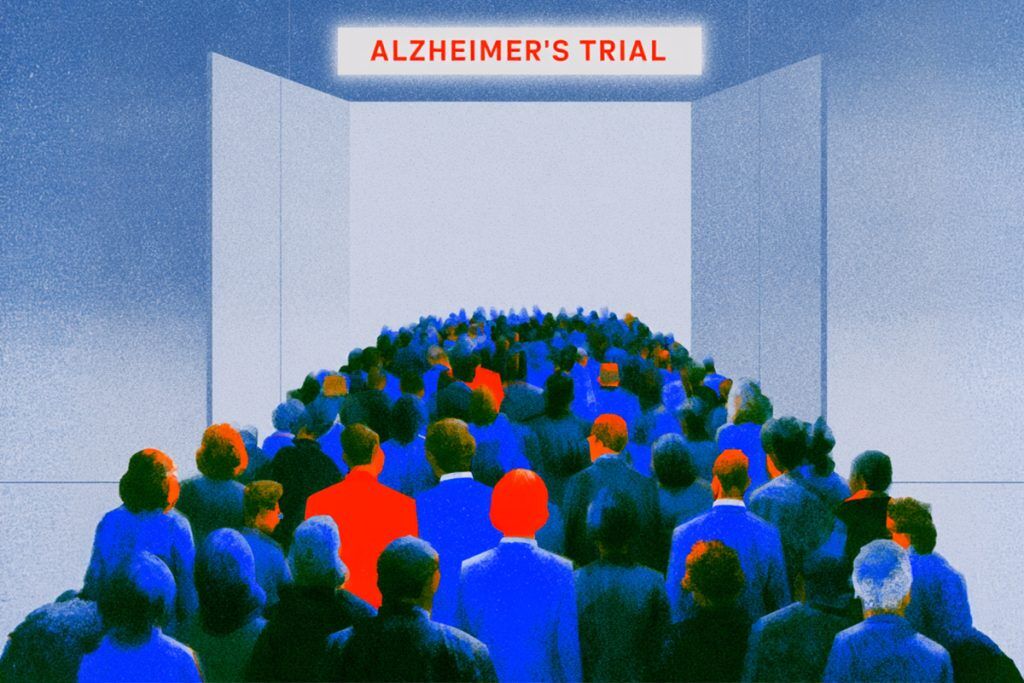
Annovis Bio has exceeded its enrollment targets for its Alzheimer’s disease trial. Given the strong link between neurodegeneration and aging, this trial is a critical test for their candidate drug. Rapid enrollment suggests high patient demand for effective dementia treatments, which are often viewed through the lens of brain healthspan extension.
Industry & Biotech Watch
Veradermics Builds $820M War Chest for Oral Hair Loss Pill
Veradermics has secured $820 million in funding to advance its oral hair loss pill. While hair loss is often cosmetic, the underlying science involves Wnt signaling and stem cell rejuvenation—pathways deeply connected to tissue regeneration and aging. This massive capital injection signals investor confidence in regenerative therapies beyond just skin-deep results.

Network Bio Launches with $50M for Biological AI
Network Bio has launched with $50 million in funding to develop "biological AI." The company aims to use AI to model biological systems more accurately than traditional methods, potentially speeding up the discovery of longevity interventions by simulating aging processes in silico before moving to wet-lab experiments.
Deep Dive: Intervention Evidence Check
Intervention: Rapamycin
Current State of Evidence: For years, rapamycin has been the darling of the longevity community due to its ability to inhibit mTOR, a nutrient-sensing pathway linked to aging. However, the most recent data highlighted this week suggests a nuance that many enthusiasts overlook: limited evidence for longevity benefits in healthy adults.
While animal studies show consistent lifespan extension, human data is less robust. A review published recently notes that while rapamycin may improve immune function in older adults (the "immune senescence" hypothesis), there is no conclusive proof it extends life in healthy individuals. The risk-benefit ratio shifts significantly when considering side effects like immune suppression and metabolic changes.
What Readers Should Know: Before trying rapamycin off-label, consider that it is not a benign supplement. It is a potent pharmaceutical with real risks. The current consensus is shifting toward targeted use in specific populations (e.g., those with immunosenescence) rather than blanket prophylactic use for all healthy adults seeking life extension.
What to Watch Next
- Biological Age Clocks Regulation: Industry watchers are anticipating a "regulatory reckoning" for biological age clocks, which are increasingly used by consumers to track anti-aging progress. Regulatory bodies may soon step in to standardize these tests.
- Xenotransplantation Expansion: Following the eGenesis success, expect further announcements regarding the scaling of pig-to-human organ transplants, which could revolutionize end-of-life care and healthspan for organ failure patients.
- Mount Sinai XPRIZE Update: Keep an eye on updates from Mount Sinai regarding their $1M bet on resetting the immune system to slow aging, which could yield novel immunotherapy protocols.
Reader Action Items
- Re-evaluate Rapamycin Use: If you are taking rapamycin for longevity, discuss the latest findings about "limited evidence in healthy adults" with your physician. Consider whether your specific health profile warrants the potential risks.
- Monitor Biological Age Tests: Be cautious when interpreting results from direct-to-consumer biological age clocks. Look for updates on regulatory standards before making major lifestyle changes based solely on these scores.
- Explore AI-Driven Health Tools: With companies like Network Bio launching, look for new AI-powered diagnostic tools that may offer more personalized insights into your aging trajectory than traditional blood panels.
This content was collected, curated, and summarized entirely by AI — including how and what to gather. It may contain inaccuracies. Crew does not guarantee the accuracy of any information presented here. Always verify facts on your own before acting on them. Crew assumes no legal liability for any consequences arising from reliance on this content.
Powered by
