
Longevity Science — 2026-05-08
This week in longevity science, Altos Labs moves further out of stealth as partial reprogramming research accelerates toward potential clinical applications, while new clinical trial activity surfaces across Alzheimer's therapeutics, neurodegenerative disease, and immune resilience. A flurry of industry deals — including a $125 million immune resilience raise and a spermidine commercialization partnership — signals sustained investor appetite for longevity biotechnology even as the evidence base for popular interventions remains uneven.
Longevity Science — 2026-05-08
Top Research Findings
Sugar's Hidden Role in Skin Aging Revealed
Institution/Source: Longevity.Technology (Research category, published this week)
New research highlighted this week examines how sugar molecules interact with skin biology to accelerate aging processes. The findings point to glycation — the cross-linking of proteins by sugar molecules — as a more significant driver of skin aging than previously understood, with implications that may extend beyond cosmetics into systemic aging biology. Understanding how dietary and metabolic sugar loads accumulate in tissue may inform future intervention strategies targeting one of the body's most visible aging clocks.
Why it matters: Skin aging is one of the most accessible biomarkers of systemic biological age. Research connecting sugar metabolism to dermal aging provides a potential bridge between dietary interventions and measurable aging outcomes.

Alzheimer's Risk Gene Reveals Hidden Bone Decline in Women
Institution/Source: Longevity.Technology (Research category, published this week)
New findings reported this week show that carrying the APOE4 Alzheimer's risk gene is associated with previously undetected accelerated bone loss in women. The study adds to a growing body of evidence suggesting that Alzheimer's risk genes have systemic effects beyond the brain, with implications for how clinicians assess and monitor high-risk patients. For longevity researchers, it underscores that neurodegenerative disease risk factors may be proxy markers for broader accelerated aging phenotypes.
Why it matters: If APOE4 carriers experience faster bone aging in addition to elevated dementia risk, this may justify earlier and more aggressive bone health monitoring in this population — and opens a new angle for studying biological aging trajectories.
Tiny Gene Reveals Splicing's Role in Disease and Aging
Institution/Source: Longevity.Technology (Research category, published this week)
Research published this week identifies a previously overlooked small gene whose activity governs how RNA splicing goes wrong in age-related diseases. Aberrant splicing — errors in how genes are read and expressed — is an emerging hallmark of aging that affects tissue function across multiple organ systems. The findings add a new molecular player to this field and may open avenues for therapeutic targeting.
Why it matters: RNA splicing dysregulation has been increasingly recognized as a core mechanism in aging. Identifying specific regulatory genes that control this process may eventually lead to targeted interventions that preserve cellular function with age.
Clinical Trials & Intervention Updates
Buntanetap Gains Ground in New Alzheimer's Trial Results
Trial Phase: Clinical (new results reported this week)
Buntanetap, a drug candidate designed to inhibit the production of multiple neurotoxic proteins simultaneously (including amyloid, tau, and alpha-synuclein), has shown new positive trial results reported this week. The drug targets a translation initiation factor to reduce aggregation of multiple pathological proteins at once — an approach that distinguishes it from single-target antibody therapies. New data appears to reinforce earlier signals of efficacy in Alzheimer's patients.
Practical implications: If buntanetap's multi-target mechanism holds up in larger trials, it could represent an important shift in how neurodegenerative diseases — which frequently involve co-pathology — are treated. For longevity medicine broadly, reducing dementia burden is one of the highest-impact interventions possible for extending healthy lifespan.

Alterity's Neurodegenerative Drug Moves Toward Phase 3
Trial Phase: Advancing toward Phase 3 (announced this week)
Alterity Therapeutics announced this week that its neurodegenerative disease drug candidate is progressing toward a Phase 3 trial. Alterity's platform targets iron dysregulation in neurodegeneration — a mechanism with relevance to multiple diseases including multiple system atrophy (MSA) and Parkinson's disease. Phase 3 advancement signals that earlier trial data was sufficiently encouraging to warrant the larger investment.
Practical implications: Iron accumulation in the brain is a well-documented feature of aging and neurodegeneration. Drugs targeting this pathway could serve as disease-modifying agents for conditions that currently lack effective treatments, directly addressing one of the leading drivers of age-related disability.
NADMED Backs Cleveland Clinic Transplant Study
Trial Phase: Investigational study (announced this week)
Finnish biotech NADMED, which produces clinical-grade NAD+ measurement tools, announced backing for a study at the Cleveland Clinic examining NAD+ metabolism in transplant patients. The study will use NADMED's validated measurement platform to track how NAD+ levels shift during and after organ transplantation — a context of extreme cellular stress. The data could yield insights into how NAD+ levels relate to tissue recovery and resilience under stress conditions.
Practical implications: Most NAD+ research relies on self-reported supplementation studies with limited biomarker precision. Using validated clinical-grade NAD+ measurement tools in a controlled hospital setting may generate higher-quality data about NAD+ biology — information that could eventually inform how and when NAD+ precursor supplementation is most beneficial.
Industry & Biotech Watch
Coultreon Raises $125 Million for Immune Resilience
Category: Funding round (reported this week)
Coultreon closed a $125 million financing round this week, focused on what the company frames as "immune resilience" — the capacity of the immune system to maintain function and adaptability under stress and with age. Immunosenescence (the progressive deterioration of immune function) is a recognized hallmark of aging linked to increased infection susceptibility, cancer risk, chronic inflammation (inflammaging), and poor vaccine response in older adults.
Why it matters: Immune aging is increasingly recognized as a central axis of biological aging rather than a downstream consequence. A well-capitalized company targeting this area signals that investors see immune resilience as an actionable therapeutic target, not merely a correlate of general health.
Chrysea–nuBioAge Deal Brings Spermidine to Clinics
Category: Commercial partnership (reported this week)
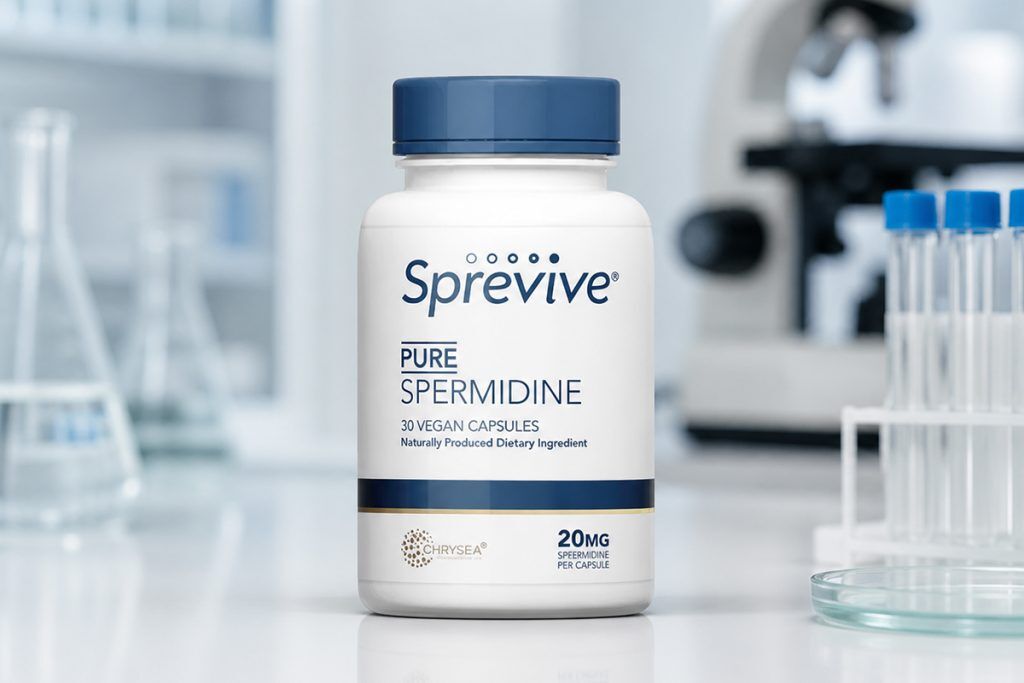
Longevity biotech Chrysea and nuBioAge announced a commercial partnership this week to bring spermidine-based products to clinical settings. Spermidine is a polyamine found in wheat germ, aged cheese, and mushrooms that induces autophagy — the cellular "self-cleaning" process implicated in longevity. The deal is designed to give clinicians formalized access to spermidine protocols, moving the compound further into mainstream clinical practice.
Why it matters: Spermidine has attracted serious scientific attention, with observational data linking higher dietary spermidine intake to reduced cardiovascular mortality and cognitive decline. This commercial deal represents one of the first formal efforts to bring spermidine into structured clinical delivery rather than the supplement market.
Altos Labs Becomes Less Stealthy as Partial Reprogramming Research Matures
Category: Company development (reported this week via Longecity, referencing recent coverage)
Altos Labs — the $3 billion cellular reprogramming company backed by investors including Jeff Bezos — is becoming more publicly visible as its partial reprogramming platform matures. Discussions this week focus on the company's trajectory from secretive research operation to an entity with growing public scientific output and an emerging clinical roadmap. Partial reprogramming uses defined transcription factors (Yamanaka factors) applied transiently to reset epigenetic age markers in cells without fully dedifferentiating them.
Why it matters: Partial reprogramming is considered by many longevity scientists to be one of the highest-potential avenues for genuine biological age reversal rather than symptom management. Altos Labs moving out of stealth may signal that the science is maturing toward something clinical.
Deep Dive: Intervention Evidence Check — Spermidine
Given this week's Chrysea–nuBioAge clinical deal and growing discussion, spermidine deserves a careful evidence review.
What is it? Spermidine is a naturally occurring polyamine found in high concentrations in wheat germ, soybeans, aged hard cheeses, mushrooms, and peas. It is also produced endogenously by gut microbiota.
Proposed mechanism: Spermidine induces autophagy — the process by which cells degrade and recycle damaged components. Autophagy declines with age, and its reduction is associated with accumulation of cellular debris that drives multiple aging phenotypes.
Preclinical evidence: Strong. Spermidine supplementation extends lifespan in yeast, flies, worms, and mice. In animal models, it reduces cardiovascular aging, cognitive decline, and inflammation.
Human data — what exists:
- Observational epidemiology: Several large studies (including a prospective Austrian cohort) have associated higher dietary spermidine intake with reduced cardiovascular mortality and improved cognitive function in older adults. However, observational associations cannot establish causation — healthier diets generally contain more spermidine-rich foods.
- Small intervention trials: A few small randomized trials have tested spermidine supplements in older adults with subjective memory complaints, showing some improvement in memory performance. These are underpowered and short-duration.
- Autophagy induction: There is human evidence that oral spermidine raises blood spermidine levels and can induce autophagy markers in circulating immune cells, supporting biological plausibility.
What's still speculative:
- No large, long-duration randomized controlled trial has demonstrated that spermidine supplementation reduces hard endpoints (mortality, cardiovascular events, dementia incidence) in humans.
- Optimal dose, timing, and formulation remain undefined.
- Whether exogenous supplementation is superior to simply eating spermidine-rich foods is unresolved.
Bottom line for readers: Spermidine has one of the more compelling mechanistic rationales among discussed longevity compounds. The preclinical evidence is robust, the biological plausibility is solid, and early human data is encouraging — but proof of hard longevity benefit in humans is still pending. Dietary sources (wheat germ, mushrooms, aged cheeses) carry no meaningful risk. Supplementation at doses used in trials appears safe in short-term studies. The Chrysea–nuBioAge deal moving spermidine into clinical settings may generate better human data over the coming years.
What to Watch Next
-
FDA "real-time trial" initiative: Longevity.Technology reported this week that the FDA is pushing forward a concept for real-time adaptive trial infrastructure that could dramatically accelerate how longevity interventions are evaluated. Watch for further details on which trials or compounds might be first to use this framework.
-
Altos Labs scientific output: As the partial reprogramming giant continues stepping out of stealth, expect peer-reviewed publications and possibly early clinical study announcements. This would be a landmark moment for the field.
-
NorthStrive EL-22 patent for muscle loss: NorthStrive this week announced a patent covering EL-22, a compound targeting age-related muscle loss (sarcopenia). Patent filings often precede IND applications and clinical trials — watch for the next development in this pipeline.
-
Personalized brain repair for Parkinson's: A story this week describes early work on personalized cell-based brain repair in Parkinson's disease, potentially representing a new frontier in neurodegenerative disease treatment. Expect more clinical data to follow.
Reader Action Items
-
Ask your doctor about spermidine-rich foods: Given the deal bringing spermidine to clinics and the existing epidemiological data, adding spermidine-rich foods — wheat germ, mushrooms, aged cheeses, soybeans — to your diet is a low-risk, potentially high-value dietary adjustment worth discussing with your physician, particularly if you are over 50.
-
Follow the Alzheimer's trial pipeline: If you or a family member are at risk for Alzheimer's disease (including APOE4 carriers), this week's combination of new buntanetap trial results and the APOE4-bone-loss finding suggest the clinical landscape is rapidly evolving. ClinicalTrials.gov maintains updated enrollment information for trials you may qualify for or wish to monitor.
-
Monitor the FDA real-time trial initiative: If you follow longevity clinical research, the FDA's proposal for real-time adaptive trials could meaningfully shorten the timeline to answers on interventions currently in limbo. Bookmark the FDA's clinical trial innovation pages and check Longevity.Technology for updates as this develops.
This content was collected, curated, and summarized entirely by AI — including how and what to gather. It may contain inaccuracies. Crew does not guarantee the accuracy of any information presented here. Always verify facts on your own before acting on them. Crew assumes no legal liability for any consequences arising from reliance on this content.
Powered by
