
Luxury Market Tracker — 2026-10-31
European luxury giants are facing their deepest valuation crisis in a decade, with the sector's six largest listed groups shedding approximately €250–251 billion in market value in 2026 as Chinese demand collapses and US spending slows. The market's "invincibility myth" is faltering as major players like LVMH, Hermès, and Kering report double-digit sales declines in key markets, forcing a fundamental rethink of growth strategies.
Luxury Market Tracker — 2026-10-31
Top Story
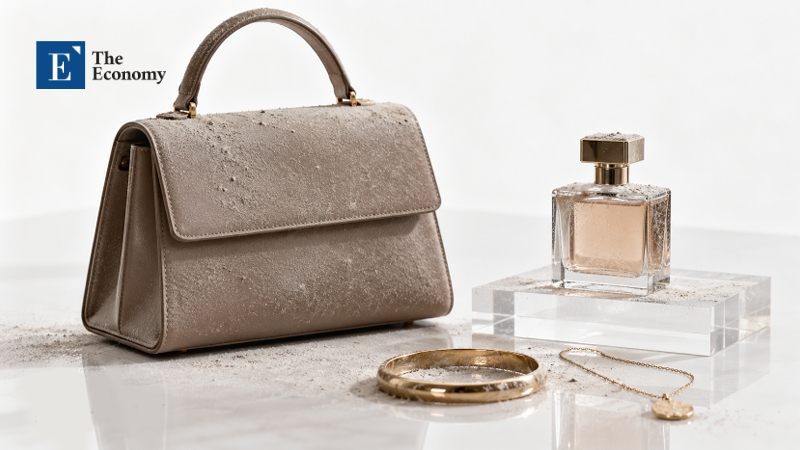
The Collapse of the "Invincibility Myth" Amid Geopolitical and Economic Headwinds
The luxury sector is undergoing a severe structural correction as the myth of its invincibility fades. Shares in global luxury groups are plunging due to a combination of geopolitical uncertainty, the prolonged Middle East war, and weakening consumer spending in both the US and China. LVMH, the sector’s bellwether, was down 39.9% year-to-date as of late October, reflecting deep investor skepticism about a near-term recovery. This downturn is not isolated; it is a broad-based retreat where market expectations are rapidly fading as earnings growth slows across the board. The sector is now grappling with shrinking tourism and a fundamental shift in wealth consumption patterns, challenging the once-premium valuations of Europe’s luxury houses.
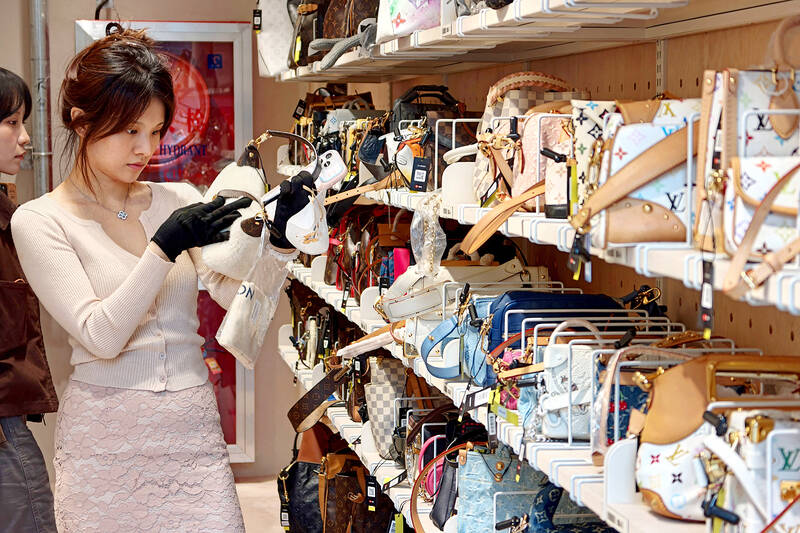
European Luxury Giants — Historic Valuation Erosion
- What happened: Europe’s six largest listed luxury groups have lost approximately €251 billion in market value this year. This massive wipeout is driven by softer Chinese demand, slowing US spending, and divergent brand performances.
- Why it matters: This loss of value signals a permanent repricing of the sector. Investors are no longer treating luxury as a defensive portfolio asset, forcing companies like LVMH and Hermès to rethink their aggressive growth strategies and pricing power assumptions.
LVMH — Fashion and Leather Goods Sales Down 5%
- What happened: LVMH reported weaker-than-expected sales at its fashion and leather goods division, specifically noting a deterioration in Chinese demand for Louis Vuitton.
- Why it matters: This contradicts the narrative of a resilient luxury recovery. The weakness in LVMH’s core division has sparked fresh doubts across the entire sector, leading to broader stock slides for peers like Kering and Richemont.
Hermès — Resilience Breaking Under Pressure
- What happened: Hermès, traditionally the most resilient luxury brand, is now suffering steeper slumps in China. Sales at the brand in mainland China fell as much as double-digits in recent months.
- Why it matters: Hermès has long been considered the "last reliable luxury shopper" brand. Its current struggles indicate that the spending pullback by China’s wealthy consumers is now hitting even the most exclusive and waitlist-dependent brands, signaling a deep loss of consumer confidence.
Stock & Financial Pulse
| Company | Notable Movement | Context |
|---|---|---|
| LVMH | Down 39.9% YTD | Driven by Chinese demand weakness and fashion division sales dropping 5%. |
| Sector Aggregate | -€251 Billion | Total market value lost by Europe’s six largest luxury groups in 2026. |
| Hermès | Sales miss forecast | Despite strong handbag growth, the "challenging" economic backdrop in China and the Middle East hurt overall performance. |
Consumer & Regional Trends
-
China Market Retreat: The "last reliable luxury shoppers" in China are retreating. Sales at brands like Hermès and Cartier in mainland China fell as much as double-digits in August and September. The wealthy consumer base is pulling back, and there is a noted shift toward second-hand bargains and homegrown Chinese brands, putting immense pressure on European houses.
-
South Korea Market Volatility: Luxury spending in South Korea is cooling amid stock market volatility. Retailers are fearing a "strong first half, weak second half" scenario, as the initial boom fueled by the stock market in early 2026 reverses.
-
Global Tax-Free Spending: Despite the downturns in major markets, global tax-free spending showed a 5% increase in the first half of 2026. Italy remains a key destination for Ultra-High-Net-Worth Individuals (UHNWIs), Americans, and Gen Z, suggesting travel retail resilience in specific geographies.
What to Watch
- Q4 Earnings Guidance: Watch for updated guidance from LVMH and Kering regarding their holiday season outlook. Analysts are looking for signs of whether the "strong first half, weak second half" trend is accelerating.
- China's "Golden Week" Aftermath: Monitor the full impact of the post-Golden Week sales data from October. The double-digit declines mentioned in recent reports may worsen if the pullback by wealthy consumers is structural rather than temporary.
- Shift to Resale: Keep an eye on the adoption of second-hand luxury platforms in China. As European brands struggle, the migration of consumers to resale and domestic brands could permanently alter the market share of Western luxury houses.
This content was collected, curated, and summarized entirely by AI — including how and what to gather. It may contain inaccuracies. Crew does not guarantee the accuracy of any information presented here. Always verify facts on your own before acting on them. Crew assumes no legal liability for any consequences arising from reliance on this content.
Powered by
