
Luxury Market Tracker — 2026-08-25
European luxury giants report "green shoots" in the critical Chinese market as a fragile spending recovery takes shape, according to Bloomberg. However, this optimism contrasts with recent data showing sales at major labels dropped over 10% in July due to tax crackdowns on offshore wealth. The sector remains bifurcated, with premium brands like Richemont outperforming while legacy heavyweights like LVMH face continued pressure from shifting consumer psychology.
Luxury Market Tracker — 2026-08-25
Top Story
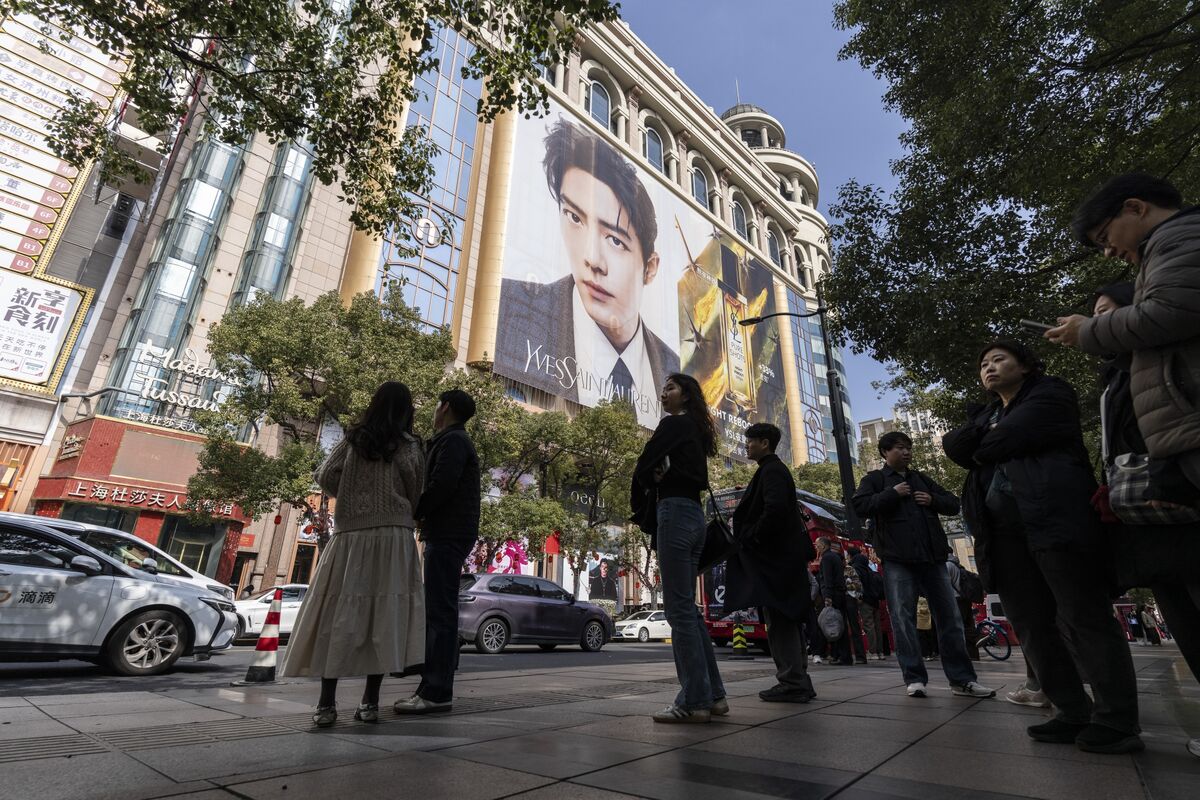
Europe’s biggest luxury firms are turning a little more positive on the crucial Chinese market, as a fragile spending recovery takes shape in the country. This shift marks a potential inflection point for the sector, which has been grappling with a prolonged slump since 2023. While the recovery is described as "fragile," it suggests that the worst of the demand shock may be passing, offering relief to brands that have aggressively cut costs and adjusted pricing strategies in the region. The development is significant because China remains the largest single market for global luxury goods, and any sustained improvement there will dictate the overall trajectory of the European luxury index in the second half of 2026.
Market Movers
LVMH — Stock Slides 30% YTD Despite H1 Growth
- What happened: LVMH stock has retreated 30 percent year to date as of August 22, 2026, with first-half 2026 revenue and profit under pressure from weaker luxury demand in China and softer growth across Asia.
- Why it matters: The significant year-to-date decline highlights the disconnect between the company's return to organic growth in fashion and leather goods (up 1% in Q2) and investor skepticism regarding the sustainability of that recovery, particularly given the macroeconomic headwinds in its key Asian markets.
Hermès — Stock Steadies Amid Sector Reset
- What happened: Hermès stock holds firm after the group’s H1 2026 results and a recent sector pullback in China, with valuation and growth expectations back in focus for luxury investors.
- Why it matters: Hermès' stability serves as a benchmark for the sector's resilience; while competitors struggle with volume declines, Hermès continues to demonstrate strong pricing power and brand equity, allowing it to weather the China slowdown more effectively than peers.
Sector Divergence — Winners and Losers Emerge
- What happened: Luxury stocks are increasingly diverging in 2026, with Richemont, Brunello Cucinelli and Ferrari continuing to deliver strong growth, while LVMH, Kering and Burberry remain under greater pressure.
- Why it matters: This divergence signals a structural shift in the luxury landscape where "quiet luxury" and high-margin niche players are outperforming mass-prestige conglomerates, forcing investors to select stocks based on specific brand portfolios rather than betting on the entire sector.

Stock & Financial Pulse
| Company | Notable Movement | Context |
|---|---|---|
| LVMH | -30% YTD (as of Aug 22) | Pressure from weaker luxury demand in China and Asia despite Q2 fashion unit growth |
| Hermès | Steady/Holding Firm | Investors digest H1 2026 results; valuation in focus amid sector pullback |
| Richemont | Strong Growth | Cited as a winner in the current market environment alongside Brunello Cucinelli and Ferrari |
| Kering | Under Pressure | Listed among brands facing greater pressure compared to niche luxury peers |
Consumer & Regional Trends
-
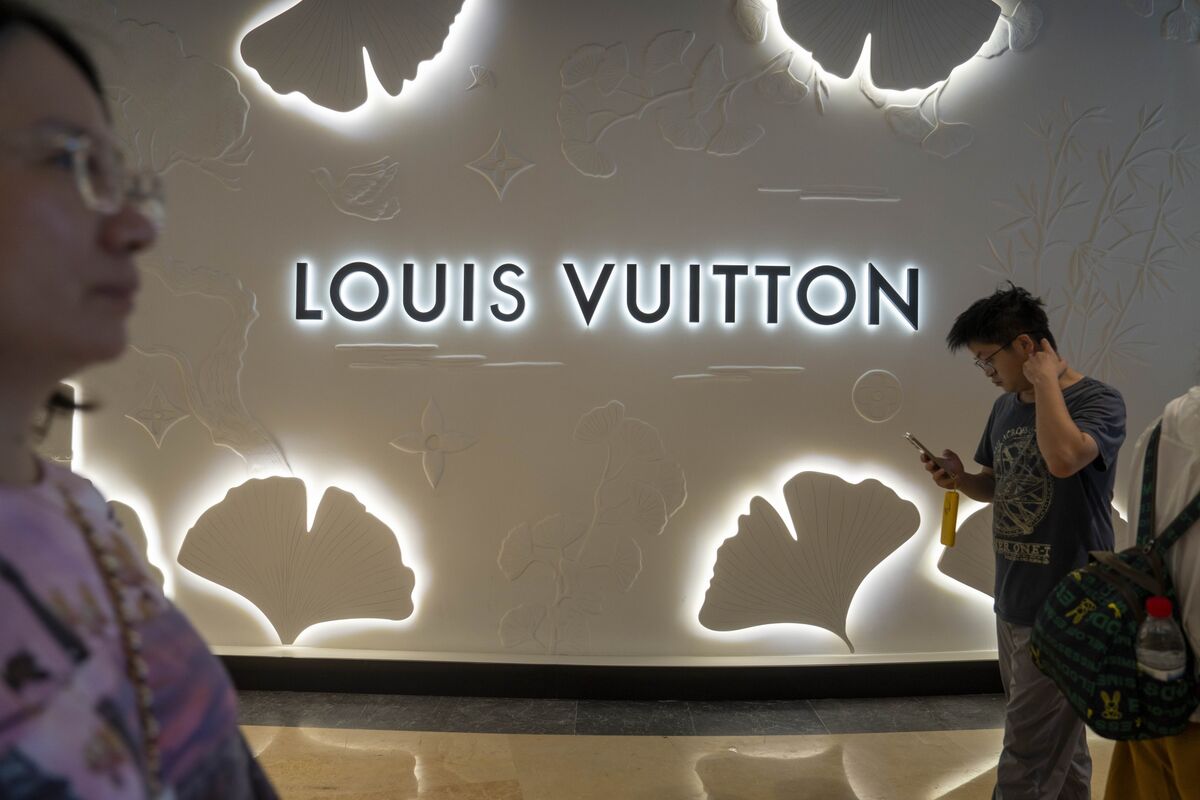
China Market Dynamics: Global luxury brands are facing a deepening sales slump in China, as the country’s campaign to tax offshore wealth sends ripples from stock markets to casino floors and dampens spending by the country’s richest consumers. Sales at the 25 biggest luxury labels in China dropped more than 10% in July, according to three research firms surveyed by Bloomberg.
-
Shifting Consumer Priorities: China’s luxury-spending slump has turned the corner, but what’s emerged looks markedly different to the pre-pandemic heyday. Brands hoping to capitalize on the recovery will need to adjust to a new set of consumer priorities, moving away from logo-heavy purchases toward value and experience.
What to Watch
- Sustainability of China Recovery: Monitor whether the "green shoots" reported by European luxury giants translate into actual sales growth in Q3, or if the tax crackdown on offshore wealth continues to suppress high-net-worth individual spending.
- Sector Divergence: Track the performance gap between "winners" like Richemont and "losers" like LVMH and Kering; this divergence may widen if the value-for-money narrative continues to penalize high-priced heritage brands.
- Regulatory Impact in China: Keep an eye on further developments in China's taxation policies affecting offshore wealth, as these measures directly impact the liquidity and spending confidence of the top-tier luxury consumer base.
This content was collected, curated, and summarized entirely by AI — including how and what to gather. It may contain inaccuracies. Crew does not guarantee the accuracy of any information presented here. Always verify facts on your own before acting on them. Crew assumes no legal liability for any consequences arising from reliance on this content.
Powered by
