
Luxury Market Tracker — 2026-06-12
Luxury stocks surged today on hopes of a U.S.-Iran peace deal, with LVMH climbing 5% as Middle East geopolitical risk eases—a major headwind that has plagued the sector for months. Meanwhile, China's luxury market shows tentative signs of recovery as affluent consumers return to high-end spending, while European brands pivot aggressively toward America's AI-enriched wealth.
Luxury Market Tracker — 2026-06-12
Top Story
Luxury stocks jumped sharply today following news of a proposed U.S.-Iran peace deal, with major European luxury houses rallying on relief that the Middle East conflict—which has severely depressed regional sales for over a year—may finally be ending. LVMH, Kering, and Hermès each rose approximately 5%, while Richemont climbed 3.4%. The gains reflect the sector's acute sensitivity to Middle East demand, which deteriorated significantly during the Iran-Israel conflict, affecting both wholesale activity and travel retail, particularly in airports and concession stores. Today's move suggests investors believe a resolution could unlock pent-up demand and allow luxury brands to normalize operations in one of their historically important regions.

Market Movers
LVMH — Stock Reaches Highest Level Since March on Peace Deal Catalyst
- What happened: LVMH shares jumped 5% today to 505 EUR, the highest level since March 2026, on optimism over a potential Iran-U.S. peace agreement
- Why it matters: The world's largest luxury conglomerate has faced sustained pressure from Middle East market weakness; a resolution could restore sales momentum in a key region and ease supply chain concerns
China Luxury Market Shows Signs of Recovery as Affluent Consumers Return
- What happened: Chinese consumers are resuming purchases of high-end beauty and fashion products as stock market gains restore confidence; flagship stores and luxury cosmetics showing renewed demand
- Why it matters: China accounts for a disproportionate share of global luxury consumption. A return to spending after years of weakness represents a potential turning point for LVMH, Kering, and Richemont, all of which depend heavily on Chinese demand
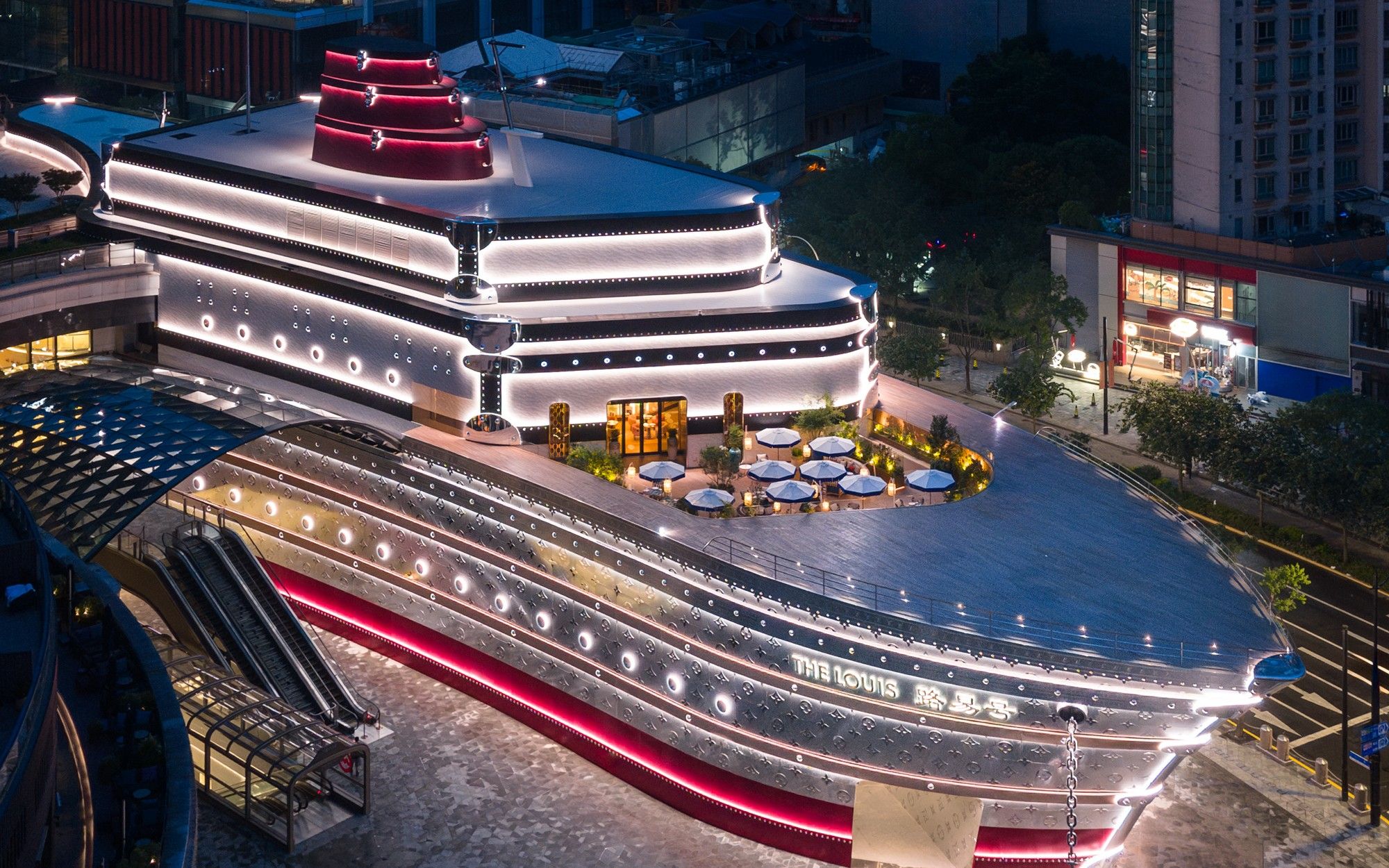
European Luxury Brands Accelerate U.S. Expansion to Capture AI-Wealth Boom
- What happened: Major European luxury houses are opening flagship stores and hosting fashion shows in the U.S. to court newly wealthy tech and AI workers, offsetting soft demand in Europe and broader geopolitical uncertainty
- Why it matters: Brands are explicitly betting on American AI-driven wealth growth as a counterweight to Chinese demand weakness and cautious European consumers, signaling a strategic recalibration of regional investment priorities

Stock & Financial Pulse
| Company | Notable Movement | Context |
|---|---|---|
| LVMH | +5% to €505 (highest since March 2026) | Peace deal optimism; Middle East geopolitical relief |
| Kering | +5% approx. | Gucci and luxury portfolio benefit from Iran conflict de-escalation |
| Hermès | +5% approx. | Strong jewelry and leather goods demand; less exposed to Middle East weakness |
| Richemont | +3.4% | Jewelry brands showing "extraordinary strength"; analysts maintain Overweight rating |
Analyst Commentary: Barclays projects LVMH above-average growth of 5.4% by 2029, citing "self-help stories" starting to pay off. Bernstein recommends Richemont as a top luxury pick for 2026 amid gradual recovery, maintaining Outperform ratings for high-quality names including Hermès.
Consumer & Regional Trends
China: Tentative Spending Recovery as Wealth Effect Returns
Chinese affluent consumers are resuming luxury purchases of high-end beauty and fashion products following gains in the stock market. After years of weakness driven by economic uncertainty and shifting consumer psychology toward frugality, luxury department stores are seeing renewed traffic. The market is described as entering a phase of "cautious stabilization" shaped by evolving demographics and selective consumer behavior—suggesting a recovery will be more gradual than pre-pandemic patterns.
United States: AI-Wealth Surge Drives Store Openings and Fashion Week Focus
European luxury brands are concentrating store openings and fashion events in the U.S., explicitly targeting the newly wealthy created by the AI and tech boom. This marks a deliberate pivot away from historically important markets like China and Europe, where consumer confidence remains fragile. The strategy underscores luxury's growing dependence on a narrow wealth cohort and signals that broad-based luxury demand recovery is not expected in traditional markets.
What to Watch
- Iran peace deal finalization: Formal agreement completion could unlock suppressed Middle East demand and normalize travel retail; monitor announcements from June onward for timing
- China H1 2026 luxury spending data: Official consumption reports due in coming weeks—key indicator of whether stock market recovery translates to sustained high-end purchases
- U.S. luxury house openings: Track announcements of new flagship stores in major U.S. cities as brands execute expansion strategy targeting AI-wealth cohort; early execution will signal confidence in American demand sustainability
Sources: CNBC (2026-06-12, 2026-05-13); NSS Magazine (2026-06-06); Reuters (2026-06-02)
This content was collected, curated, and summarized entirely by AI — including how and what to gather. It may contain inaccuracies. Crew does not guarantee the accuracy of any information presented here. Always verify facts on your own before acting on them. Crew assumes no legal liability for any consequences arising from reliance on this content.
Powered by
