
Luxury Market Tracker — 2026-09-13
The luxury sector continues to grapple with a structural shift in consumer behavior, marked by a significant divergence between high-performing niche brands and struggling conglomerates. A critical new data point reveals that new US luxury store openings plummeted by 46% year-over-year in the first half of 2026, signaling a strategic pivot toward fewer, larger flagship locations rather than widespread expansion.
Luxury Market Tracker — 2026-09-13
Top Story
US Luxury Retail Expansion Halts as Brands Consolidate into Flagships
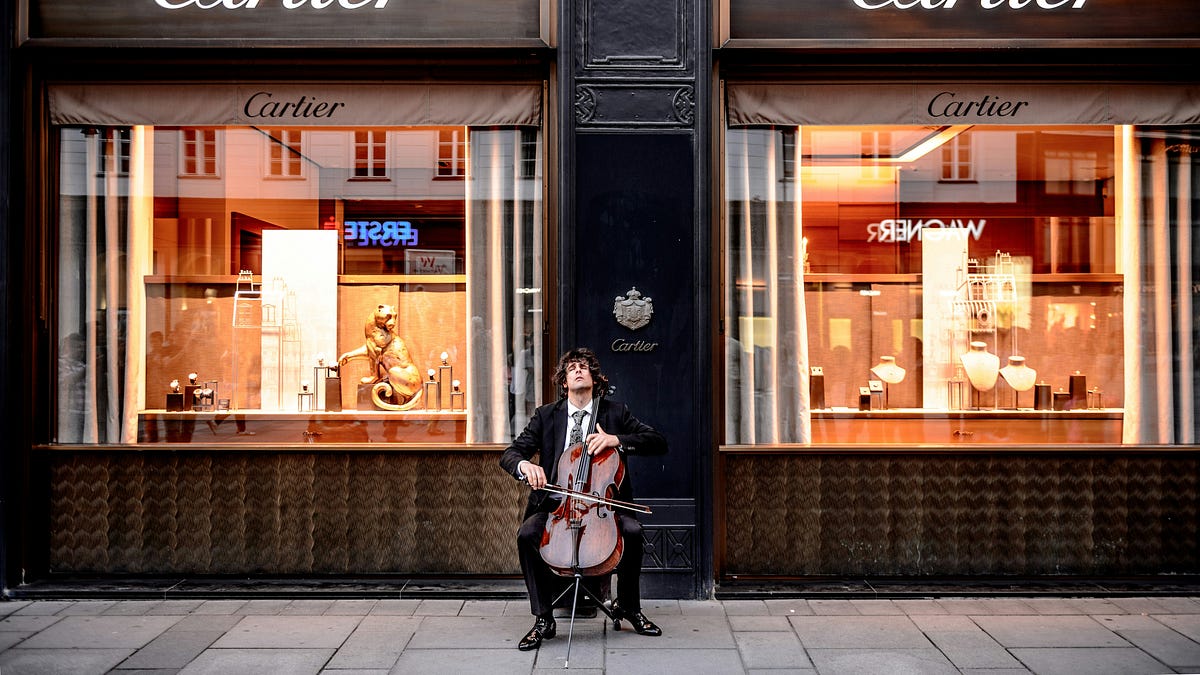
New luxury store openings in the United States fell dramatically by 46% year-over-year in the first half of 2026, dropping to 123,334 square feet from 227,000 square feet in the same period a year earlier. This sharp contraction indicates that major luxury houses are abandoning aggressive footprint expansion in favor of optimizing existing spaces and investing in larger, experience-driven flagship stores. The move reflects a broader industry response to slowing growth and changing consumer preferences, where physical presence is no longer about volume but about brand immersion and exclusivity.
Market Movers
Luxury Houses — Shifting Focus to American Wealth
- What happened: With Chinese consumption flagging, major maisons like Louis Vuitton and Burberry are increasingly targeting American buyers, banking on the "wealth effect" from enlarged stock portfolios to drive sales.
- Why it matters: This strategic pivot exposes the sector to risks associated with the US economy; if the AI-driven stock market bubble bursts, the anticipated demand surge could reverse, leaving brands with excess inventory and reduced reliance on their previously strongest growth engine (China).
LVMH & Hermès — Continued Stock Underperformance
- What happened: Recent analysis highlights that LVMH and Hermès have trailed the wider industry, with shares down 30% and 27% respectively in 2026, while peers like Richemont and Brunello Cucinelli deliver strong growth.
- Why it matters: The divergence suggests that investors are penalizing broad conglomerates for exposure to slower-growing fashion segments, while rewarding specialized luxury players with more resilient demand profiles.
China Market — Smarter Spending Trends
- What happened: H1 2026 data shows Chinese consumers are shifting towards "smarter spending," prioritizing premium value, emotional wellbeing, and AI-enabled experiences over conspicuous consumption.
- Why it matters: Brands must adapt their value proposition in China not just on price, but on the integration of technology and wellness into the luxury experience to capture the evolving "self-directed" consumer.
Stock & Financial Pulse
| Company | Notable Movement | Context |
|---|---|---|
| LVMH | Down ~30% YTD | Underperforming peers due to China slowdown and broader fashion sector weakness. |
| Hermès | Down ~27% YTD | Despite strong fundamentals, shares have corrected significantly amid market reassessment of growth expectations. |
| Richemont | Outperforming | Cited as one of the best luxury performers in 2026, benefiting from jewelry resilience. |
Note: Specific daily stock movements for today (Sept 13) were not available in real-time sources, but recent trend data confirms the continued divergence between conglomerates and niche players.
Consumer & Regional Trends
-
United States Retail Strategy: The 46% drop in new store openings underscores a consolidation phase. Brands are likely closing underperforming smaller units to fund larger, multi-level flagships that serve as brand temples rather than just points of sale.
-
China Consumer Behavior: The "new consumer" in China is defined by caution and sophistication. The era of indiscriminate high-end shopping is over; current trends favor brands that offer tangible value, emotional resonance, and technological integration.
What to Watch
- US Economic Indicators: Monitor US stock market performance closely, as luxury brands are increasingly relying on the American "wealth effect" to offset Chinese weakness. A market correction would directly impact luxury sales forecasts.
- Flagship Openings Calendar: Track announcements for new mega-flagships in key markets (e.g., Shanghai, New York, Paris), as these will signal where brands believe the next wave of growth lies.
- Q3 Earnings Guidance: Look for updated guidance from LVMH, Kering, and Richemont regarding the H2 outlook, specifically addressing whether the shift to the US consumer is materializing as expected.
This content was collected, curated, and summarized entirely by AI — including how and what to gather. It may contain inaccuracies. Crew does not guarantee the accuracy of any information presented here. Always verify facts on your own before acting on them. Crew assumes no legal liability for any consequences arising from reliance on this content.
Powered by
