
Luxury Market Tracker — 2026-08-30
The luxury sector faces a bifurcated market where major conglomerates like LVMH are showing margin resilience but struggling with stock performance, while niche players and jewelry-focused firms like Richemont continue to outperform. A critical shift is occurring in China, where a new offshore wealth tax campaign has triggered a sales plunge among ultra-high-net-worth individuals, complicating the fragile recovery narrative. Meanwhile, the industry grapples with a "value-for-money" crisis as consumers reject price hikes that lack corresponding quality or creative innovation.
Luxury Market Tracker — 2026-08-30
Top Story
.jpg)
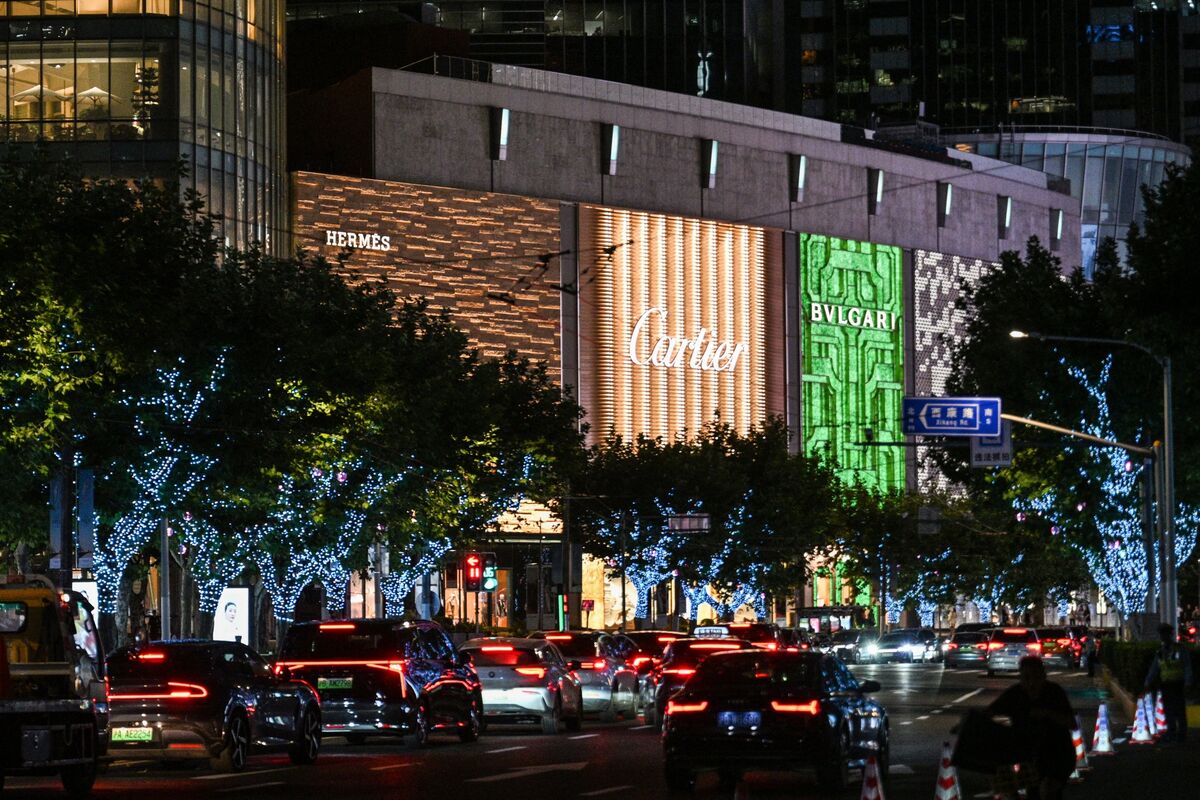
Luxury Sales Plunge in China as Tax Push Hits Wealthy Shoppers
Global luxury brands are facing a deepening sales slump in China, driven by the country’s aggressive campaign to tax offshore wealth. This regulatory push has sent ripples from stock markets to casino floors, significantly dampening spending by the country’s richest consumers who were previously key drivers of the luxury rebound. While some European giants had recently discerned "green shoots" in the Chinese market, this new fiscal pressure threatens to derail the fragile recovery, forcing brands to reassess their exposure to China's ultra-wealthy demographic.
Market Movers
LVMH — Stock Steadies Amid Margin Resilience
- What happened: LVMH stock has steadied following first-half 2026 results which highlighted margin resilience and modest organic growth. However, the shares remain well below early 2026 levels, reflecting investor caution regarding the cooling luxury cycle.
- Why it matters: Despite solid margins, the group's performance underscores the difficulty of maintaining growth in a normalizing luxury environment, particularly with Asia growth slowing.
Richemont & Ferrari — Continued Outperformance
- What happened: In a diverging market landscape, Richemont, Brunello Cucinelli, and Ferrari continue to deliver strong growth, standing in contrast to the pressures faced by LVMH, Kering, and Burberry.
- Why it matters: This divergence suggests that specialized, high-margin niches (like jewelry and super-luxury autos) are more resilient to the broader sector slowdown than diversified conglomerates.
Industry-Wide — The Value-for-Money Crisis
- What happened: Recent briefings indicate that while LVMH, Kering, and Hermès reported improving earnings, the sector is facing a growing "value-for-money problem." Resale markets are booming, and brands like Gucci are undergoing pricing resets.
- Why it matters: Consumers are increasingly rejecting price hikes that do not correspond to perceived quality or creativity, forcing brands to rebuild trust through more strategic pricing and product value.
Stock & Financial Pulse
| Company | Notable Movement | Context |
|---|---|---|
| LVMH | Trading below early 2026 peaks | H1 2026 results showed modest organic growth; investors digesting slower Asia demand. |
| Hermès | Stable around $186/ADR | Market cap remains above $200 billion; confirmed strength despite sector-wide reset. |
| Richemont | Outperforming peers | Continuing strong growth trajectory unlike broader conglomerates. |
Consumer & Regional Trends
- China Wealth Tax Impact: The Chinese government's campaign to tax offshore wealth has directly hit luxury sales, with spending by the richest consumers declining sharply. This regulatory shift is overriding previous signs of market stabilization.
- Shift to Secondhand & Local Brands: Chinese consumers are increasingly turning to secondhand markets and local brands that offer high craftsmanship at better value points. This "quiet luxury" and value-driven approach is challenging traditional global houses that rely on logo-driven prestige.
What to Watch
- Q3 Earnings Guidance: Watch for updated guidance from LVMH and Kering regarding China exposure in light of the new wealth tax regulations.
- Pricing Strategy Adjustments: Monitor if major houses announce further "pricing resets" or value-engineering initiatives to address the consumer trust deficit.
- Regulatory Ripple Effects: Track whether the Chinese offshore wealth tax campaign expands to other asset classes, potentially further dampening discretionary spending.
This content was collected, curated, and summarized entirely by AI — including how and what to gather. It may contain inaccuracies. Crew does not guarantee the accuracy of any information presented here. Always verify facts on your own before acting on them. Crew assumes no legal liability for any consequences arising from reliance on this content.
Powered by
