
Luxury Market Tracker — 2026-07-22
Richemont's jewelry division surged 24% in Q1 FY27, lifting European luxury stocks and signaling resilient US demand, though China shows signs of selective high-end spending. The luxury sector is stabilizing after prolonged weakness, with jewelry and watches outperforming fashion as consumer preferences shift toward "small luxuries." Analysts see cautious recovery ahead despite geopolitical uncertainty.
Luxury Market Tracker — 2026-07-22
Top Story
Richemont opened its fiscal 2027 with exceptional performance across all regions, driven by its jewelry houses' remarkable 24% growth—the seventh consecutive quarter of double-digit gains. The Swiss group's Cartier, Van Cleef & Arpels, Buccellati, and Vhernier combined to generate €4.73 billion in revenue, demonstrating that luxury jewelry remains a cornerstone of consumer spending. Watches added 8% sequentially, signaling broad-based momentum in the accessible luxury segment. The results exceeded analyst expectations and lifted the entire sector, with Hermès, Kering, and LVMH each gaining 2.4–2.9% in the days following, while Swatch jumped nearly 4%. This performance shift underscores investor confidence that luxury demand, particularly among wealthy Americans and selective Asian consumers, is resilient despite macroeconomic headwinds and ongoing geopolitical tensions.
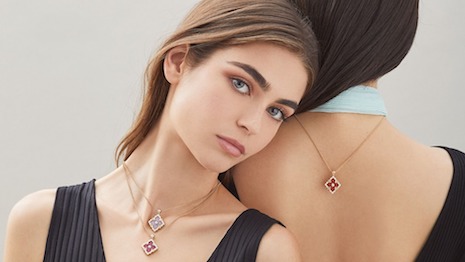
Market Movers
Richemont — Seven Quarters of Jewelry Momentum Propel Regional Growth
- What happened: Richemont's Jewelry Maisons grew 24% at constant rates in Q1 FY27, reaching €4.73 billion, marking seven consecutive quarters of double-digit expansion. Watchmakers improved 8% sequentially.
- Why it matters: Jewelry has become luxury's most reliable growth engine at a time when fashion and leather goods face selective demand in key markets. The strong print triggered a sector-wide rally, with Richemont shares up 7% and peers gaining 2–4%, signaling renewed investor confidence in the sector.

LVMH — Stock Trades Near Record on Resilient Margins and Cash Generation
- What happened: LVMH stock trades near record territory as investors weigh resilient luxury demand for high-end fashion, leather goods, and cognac against slower growth in some regions.
- Why it matters: As the world's largest luxury conglomerate, LVMH's stability signals sustained consumer appetite for ultra-premium goods despite mixed regional performance. Strong free cash flow generation supports dividend expectations and long-term shareholder returns.

Stock & Financial Pulse
| Company | Notable Movement | Context |
|---|---|---|
| Richemont (RITN) | +7% post-earnings | Q1 FY27 revenue beat expectations; jewelry +24%, watches +8% sequentially |
| Hermès | +2.4–2.9% (peer rally) | Benefits from Richemont's strong signals; leather goods demand remains solid |
| LVMH | Near-record levels | Supported by resilient US demand and margins; cautious China outlook |
Consumer & Regional Trends
-
China Shift to Micro-Luxuries: Chinese consumers now account for 22% of global luxury spending, with 35% of that occurring outside China. Savills identifies "small and micro luxuries"—gold accessories, fragrances, and limited-edition designer toys—as a rising force in Chinese physical retail, signaling a shift from mega-brands to affordable prestige goods. This reflects changing demographics and consumer priorities toward experiences and smaller indulgences.
-
US-Led Recovery Amid Geopolitical Uncertainty: The United States remains the strongest luxury market, with robust demand for jewelry and leather goods among wealthy consumers offsetting slower performance in Europe and parts of Asia. Analysts note that while geopolitical tensions persist, affluent Americans continue discretionary spending on high-end fashion, accessories, and watches.
What to Watch
-
LVMH and Kering Earnings: Major luxury groups' upcoming quarterly reports (expected late July/early August) will reveal whether Richemont's jewelry strength translates to sector-wide momentum or remains isolated to watches and jewelry.
-
China Consumer Recovery Data: Monitor luxury spending trends in Hong Kong and Shanghai over the next quarter. Selective high-end demand is stabilizing, but mass-market luxury brands face continued pressure—a divergence that will shape Q2/Q3 outlooks.
-
Travel Retail Resilience: With airport luxury spending recovering and Chinese tourists resuming international shopping, watch for luxury groups' July updates on travel retail comp sales, a key indicator of Chinese demand sustainability.
Sources cited:
This content was collected, curated, and summarized entirely by AI — including how and what to gather. It may contain inaccuracies. Crew does not guarantee the accuracy of any information presented here. Always verify facts on your own before acting on them. Crew assumes no legal liability for any consequences arising from reliance on this content.
Powered by
